
How to Dust Your House Like a Pro (and Reduce Future Dust)
Does your home feel dusty again just days after you’ve cleaned it? You’re not battling dust wrong—you’re just missing the professional techniques that tackle both visible dust and the hidden sources that keep it coming back. That layer of dust on your coffee table isn’t just annoying; it’s affecting your indoor air quality and making your home feel less fresh than it should.
This comprehensive guide breaks down the exact methods professional cleaners use to eliminate dust efficiently and prevent rapid reaccumulation. We’ve researched the science behind dust formation and tested countless techniques to bring you a systematic approach that saves time while delivering superior results. You’ll learn the proper tools, timing, and room-by-room strategies that transform dusting from a frustrating chore into a quick, effective routine.
Contents
- Quick Solutions Table
- The Science Made Simple: Why Dust Accumulates in Your Home
- 1. Master the Professional Top-to-bottom Dusting Method
- 2. Choose the Right Tools for Each Surface Type
- 3. Perfect Your Room-by-room Dusting Strategy
- 4. Remove Stubborn and Hidden Dust Like a Pro
- 5. Create an Effective Dusting Schedule That Works
- 6. Implement Long-term Dust Reduction Systems
- 7. Address Pet Hair and Allergen Dust Specifically
- 5 Habits to Keep Dust From Coming Back
- Frequently Asked Questions
- Final Words
Quick Solutions Table
Choosing the right dusting approach depends on your time, energy, and specific needs. This reference table helps you match the most effective method to your situation, saving you from trial-and-error frustration.
| Dusting Method | Time Required | Effectiveness | Best For | Key Tool |
|---|---|---|---|---|
| Quick Daily Touch-Up | 5-10 minutes | Low to Medium | High-traffic surfaces, visible areas | Microfiber cloth |
| Standard Weekly Dusting | 20-30 minutes | High | All furniture surfaces, electronics | Microfiber cloth + spray |
| Deep Monthly Clean | 45-60 minutes | Very High | Baseboards, vents, hidden areas | Vacuum with brush attachment |
| Top-to-Bottom Method | 30-40 minutes | Very High | Whole room reset, heavy dust buildup | Extendable duster + microfiber |
| Compressed Air Technique | 10-15 minutes | Medium | Electronics, intricate items, keyboards | Compressed air canister |
| Damp Dusting | 15-25 minutes | Very High | Sticky dust, kitchen surfaces, bathrooms | Slightly damp microfiber cloth |
| Vacuum Attachment Method | 20-30 minutes | Very High | Upholstery, drapes, pet hair removal | Vacuum with upholstery brush |
| Anti-Static Approach | 15-20 minutes | High | TV screens, computer monitors, glass | Anti-static spray + microfiber |
Use this table to quickly identify which method matches your current dusting challenge. For example, if you’re dealing with pet hair on furniture, the vacuum attachment method will be far more effective than traditional cloth dusting.
The time estimates assume average room sizes and moderate dust accumulation. Homes with pets, high foot traffic, or poor air filtration may require longer dusting sessions but will see dramatic improvements with consistent application of these methods.
The Science Made Simple: Why Dust Accumulates in Your Home
Understanding the Four Main Sources Of Household Dust
Your home creates dust from four primary sources, and knowing these helps you target your cleaning efforts more effectively. Dead skin cells make up about 40% of household dust, while fabric fibers from clothing, bedding, and upholstery contribute another significant portion.
Outdoor particles enter through open doors, windows, and gaps around frames. These include pollen, soil particles, and pollution that cling to shoes and clothing.
Pet dander and hair create another layer of dust accumulation. Even homes without pets get dust from microscopic insect parts and decomposed organic matter that naturally occurs indoors.
How Dust Particles Behave and Settle
Dust particles smaller than 10 microns can stay airborne for hours, while larger particles settle within minutes. This explains why you see dust dancing in sunbeams – those visible particles are actually the heavy ones falling down.
Air currents from heating systems, walking, and opening doors keep fine dust suspended. When air movement stops, gravity pulls these particles onto surfaces in a predictable pattern.
Electrostatic forces also play a role. Surfaces with different charges attract dust particles, which is why electronics and synthetic materials seem to collect dust faster than others.
Why Some Homes Get Dustier Than Others
Several factors determine your home’s dust accumulation rate. Poor HVAC filtration allows more particles to circulate, while inadequate sealing around windows and doors increases outdoor dust infiltration.
Homes with pets, multiple occupants, or heavy foot traffic naturally generate more dust. Carpet retains more particles than hard flooring, creating a reservoir that gets redistributed with activity.
Humidity levels matter too. Very dry air creates more static electricity, attracting dust to surfaces. Conversely, high humidity makes particles clump together and settle faster.
1. Master the Professional Top-to-bottom Dusting Method
Why Starting High Saves Time and Effort
Professional cleaners always start with ceiling fans, light fixtures, and tall furniture because dust falls as you clean. This simple principle prevents you from re-dusting surfaces you’ve already cleaned.
Starting at the top also helps you see your progress. You’ll notice how much dust accumulates on lower surfaces as you work your way down, giving you confidence that the method works.
This approach reduces cleaning time by 30-40% compared to random dusting patterns. You won’t need to double back to areas you’ve already finished.
The Gravity Rule: Let Physics Work for You
Gravity naturally pulls disturbed dust particles downward at roughly 3-5 feet per minute for average-sized particles. By working from ceiling to floor, you’re allowing physics to do the heavy lifting in your dust removal process.
Wait 10-15 minutes between dusting high surfaces and cleaning floors. This settling time ensures you capture all the dust that falls during the cleaning process.
Air circulation can affect this timeline. Turn off ceiling fans and avoid opening doors while dusting to prevent dust from floating to already-cleaned areas.
Step-by-step Room Progression Strategy
Follow this systematic approach for every room to maintain consistency and efficiency:
- Remove small decorative items and place them on a clean towel outside the room
- Start with ceiling fans, light fixtures, and wall-mounted items
- Move to tall furniture tops, shelving units, and picture frames
- Clean mid-level surfaces like tables, dressers, and windowsills
- Finish with baseboards and floor-level items
- Vacuum or sweep floors last to capture all settled dust
Essential Equipment for Vertical Dusting
Proper tools make vertical dusting safer and more effective. An extendable microfiber duster eliminates the need for ladders in most homes while providing better dust capture than traditional feather dusters.
Keep these items in your vertical dusting kit:
- Extendable microfiber duster (reaches 8-12 feet)
- Step stool with non-slip base for medium heights
- Microfiber cloths in different sizes
- Spray bottle with appropriate cleaning solution
- Vacuum with brush attachment for delicate items
Common Height Mistakes to Avoid
Many people skip high surfaces entirely, thinking they’re out of sight and don’t matter. Ceiling fan blades can hold pounds of dust that gets redistributed every time you turn them on.
Don’t use old t-shirts or paper towels on high surfaces. These materials often leave lint behind and don’t capture dust effectively at awkward angles.
Avoid overreaching from step stools or chairs. Move your platform rather than stretching dangerously to reach distant areas.
Also See: 11 Genius Uses for Rubbing Alcohol for Cleaning
2. Choose the Right Tools for Each Surface Type
Microfiber Cloths: When and How to Use Them
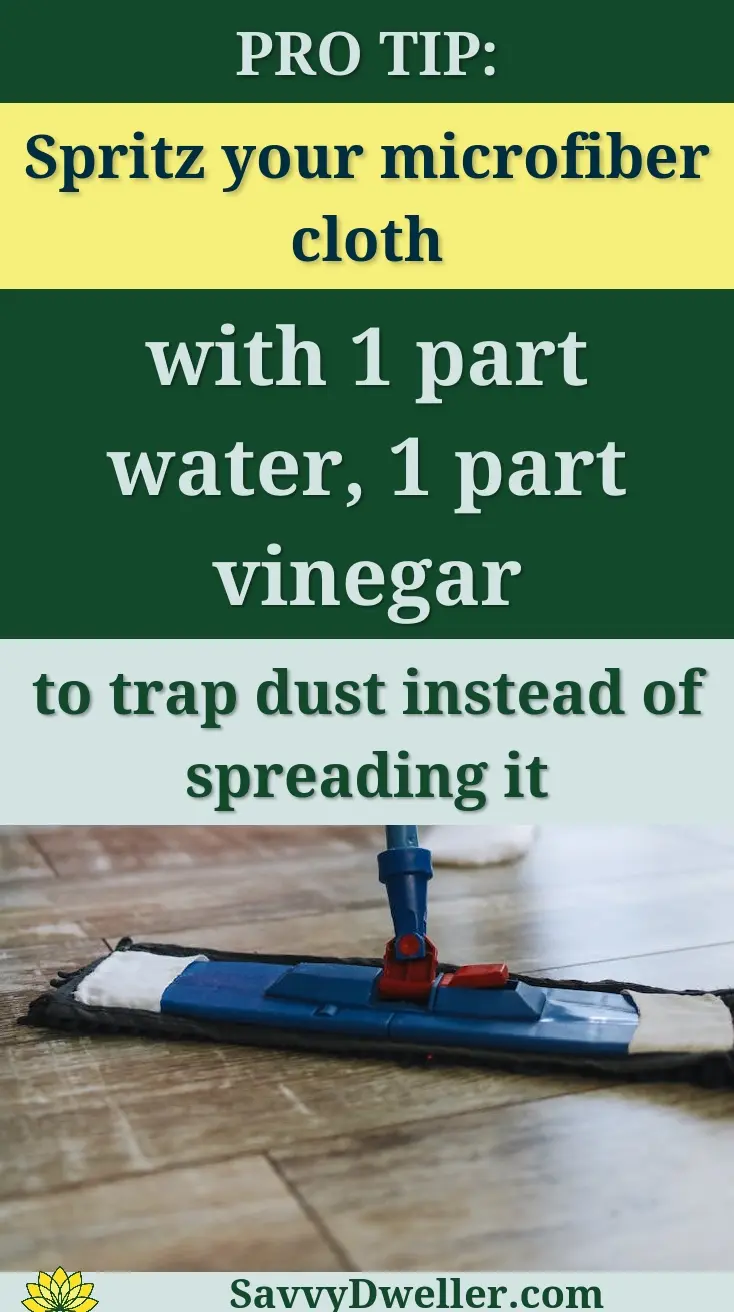
Microfiber cloths trap dust particles in their microscopic fibers rather than just moving dust around like cotton rags. The key is using them correctly for maximum effectiveness.
Use dry microfiber cloths for initial dust removal on most surfaces. The electrostatic charge helps attract and hold particles without spreading them.
For stubborn dust or sticky residues, lightly dampen one section of the cloth. Too much moisture reduces the electrostatic properties and can damage certain surfaces.
Extendable Dusters for Hard-to-reach Areas
Quality extendable dusters feature bendable heads that conform to different angles and surfaces. Look for models with removable, washable microfiber heads rather than disposable attachments to maintain effectiveness over time.
Use gentle pressure with extendable dusters. The length provides leverage that can easily damage delicate items or knock things over.
Clean the duster head frequently during use. A clogged head just redistributes dust rather than capturing it.
Vacuum Attachments for Deep Dust Removal
Vacuum attachments excel at removing dust from textured surfaces, crevices, and areas where cloths can’t reach effectively. The brush attachment works particularly well on lamp shades, upholstery, and intricate decorative items.
Use low suction settings on delicate items. High suction can damage fabric or pull decorative elements loose.
The crevice tool reaches into corners, between cushions, and along baseboards where dust accumulates heavily.
Wood Furniture: Dusting With and Against the Grain
Always start by dusting with the wood grain using long, smooth strokes to avoid scratching the surface. This initial pass removes most surface dust without creating swirl marks.
For stubborn dust or buildup, make a second pass against the grain with very light pressure. This technique lifts embedded particles from the wood pores.
Finish with another with-the-grain pass to smooth the surface and remove any remaining particles. This three-step process ensures thorough cleaning without surface damage, especially when used along with proper techniques mentioned in the ultimate guide to cleaning and polishing silverware.
Electronics: Anti-Static Techniques
Electronics attract dust through static charges, so proper anti-static dusting prevents immediate re-accumulation. Turn off and unplug devices before cleaning to reduce static buildup and ensure safety.
Use anti-static microfiber cloths or slightly damp cloths to neutralize charges. Avoid spray cleaners directly on electronics – spray the cloth instead.
Clean vents and ports with compressed air or soft brushes. Blocked vents cause overheating and actually increase dust attraction through increased air circulation.
Upholstery and Fabric: Gentle Yet Effective Methods
Vacuum upholstery weekly with the brush attachment to prevent dust from embedding deep into fabric fibers. This prevents the matted, dingy appearance that develops over time.
For delicate fabrics, use the lowest suction setting and test in an inconspicuous area first. Some fabrics can be damaged by strong suction.
Rotate and flip cushions regularly to prevent uneven dust accumulation. This also helps maintain the shape and appearance of your furniture.
3. Perfect Your Room-by-room Dusting Strategy
Living Room: Tackling Entertainment Centers and Décor
Electronics attract dust like magnets, so you’ll get better results with anti-static techniques. Work carefully and avoid spraying liquids directly onto screens or ports.
- Materials: Dry microfiber cloths (tight weave for glass), slightly damp microfiber, anti-static brush, cable ties, soft paintbrush, vacuum with soft-brush attachment.
- Power down TVs, consoles, and speakers. Unplug if possible.
- Dust the TV frame and back vents with a soft, dry microfiber; wipe the screen with a screen-safe cloth only.
- Use a soft paintbrush to loosen dust in logo crevices, speaker grilles, and remote seams. Follow with a vacuum brush to capture particles.
- Dust consoles, soundbars, and streaming boxes from back to front so you pull dust toward your cloth, not into the ports.
- Bundle cords with ties and wipe each cable once. Elevated, managed cables collect less dust.
- For décor, lift items and dust under them. Wipe frames, vases, and plant leaves (top and underside) with a barely damp microfiber.
- Bookcases: vacuum top edges, then dust spines left to right. Rotate a few books forward to reduce flat dust shelves.
If you’re figuring out how to dust your house effectively and quickly, group tasks by tool-finish all screens before moving to shelves.
Bedroom: Mattresses, Nightstands, and Ceiling Fans
Bedrooms hold fabric fibers, skin flakes, and lint-great fuel for dust house dust. A simple order keeps you ahead.
- Materials: Mattress upholstery tool, lint roller, pillowcase or fan blade cover, microfiber cloths, laundry bag for small fabric items.
- Strip bedding and put washable items straight into the washer. This keeps airborne fibers from resettling.
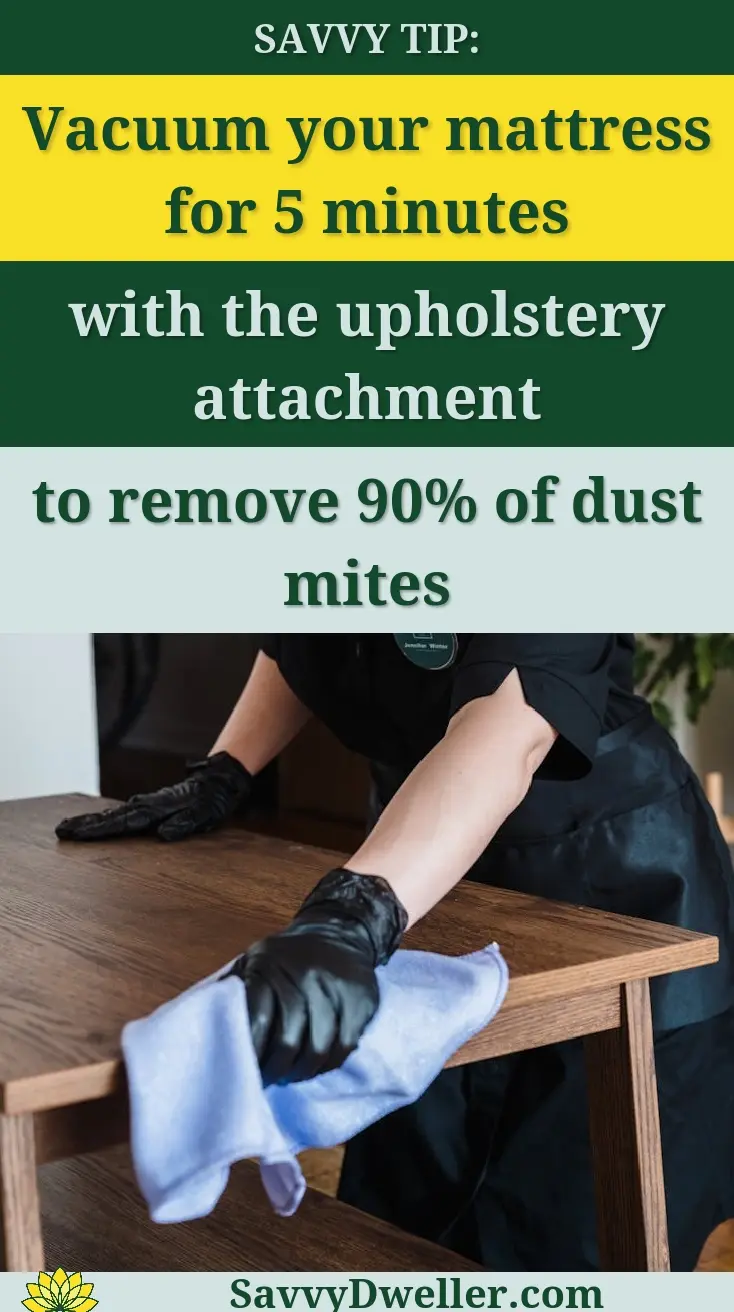
- Vacuum the mattress with slow overlapping passes; focus on seams and tufts.
- Dust the headboard (especially tufted areas) with a vacuum brush or lint roller.
- Ceiling fan: slide a pillowcase over each blade and pull gently to trap dust inside. Wipe the motor housing and downrod.
- Nightstands and lamps: dust tops, handles, and the lip under the tabletop. Use a lint roller on fabric lampshades.
- Under the bed: use a low-profile vacuum or flat duster. Store items in lidded bins to reduce dust accumulation.
To properly dust the house without spreading particles, keep a vacuum running nearby while you dust elevated surfaces.
Kitchen: Appliances and Hard-to-clean Surfaces
Kitchen dust mixes with grease, so dry cloths alone won’t cut it. You’ll need a light degreasing step to get rid of dust in the house here.
- Materials: Degreasing-safe spray (diluted dish soap in warm water), damp microfiber, nylon brush, vacuum with crevice tool.
- Cabinet tops and fridge top: loosen buildup with a damp, soapy microfiber; rinse and dry. Lay down parchment or removable liners to make next time faster.
- Range hood: remove metal filters and wash in hot, soapy water. Wipe the underside and control panel with a damp cloth.
- Fridge coils: pull the toe-kick, vacuum coils with a brush tool, and wipe the grille.
- Small appliances: dust under and behind to prevent crumb-dust nests. Clean buttons and seams with a soft brush.
- Light fixtures and pendants: lightly damp-wipe shades and wipe the canopy at the ceiling.
- Backsplash edges and trim: run a damp cloth along top edges where dust-grease lines collect.
When learning how to dust properly at home, remember that “sticky dust” needs moisture plus a wipe-and-dry finish.
Bathroom Dusting: Ventilation and Moisture Considerations
Bathrooms shed lint and paper fibers, but steam can help weigh dust down. Work with low humidity for a clean finish.
- Materials: Damp microfiber, step stool, vacuum with brush, old toothbrush for vent grilles.
- Run the exhaust fan for 5 minutes, then turn it off. Remove the cover, wash, and vacuum the fan housing.
- Dust the tops of mirrors, medicine cabinets, and light bars. Wipe gently to avoid streaks.
- Hit baseboards, window ledges, and the top of the shower rod/door track.
- Behind and around the toilet: use a dedicated cloth to avoid cross-contamination.
- Finish by wiping towel bars and TP holder; fabric fibers collect there.
To how to dust effectively in a clean home, ventilate after you finish to dry surfaces and discourage musty buildup.
Home Office: Computer Equipment and Paper Dust
Papers shed fine fibers that settle on electronics and chargers. A tidy workflow reduces dust resettling.
- Materials: Anti-static microfiber, soft brush, cable ties, accordion folder or trays, vacuum with brush tool.
- Shut down computers and monitors. Dust bezels and stands with a dry, anti-static cloth.
- Brush keyboards and mouse crevices; vacuum while brushing to capture particles.
- Wipe printers and scanners, including paper input/output paths.
- Sort loose papers into folders or trays. Store rarely used stacks in lidded boxes.
- Consolidate cords, elevate power strips, and wipe them once.
If you’re asking how to dust my house without constant rework, corral paper first so you’re not chasing fresh fibers.
4. Remove Stubborn and Hidden Dust Like a Pro
Baseboards and Crown Molding Techniques
Long, uninterrupted edges are dust magnets-and they’re fast to clean with the right motion.
- Materials: Microfiber sock, rubber band, putty knife, vacuum with crevice tool, lightly damp microfiber for scuffs.
- Vacuum the floor edge where baseboard meets flooring to lift grit.
- Wrap a microfiber sock around a putty knife, secure with a rubber band, and run it along the top ledge of baseboards and crown.
- Detail inside corners and decorative profiles with a soft brush.
- Spot-wipe smudges with a barely damp cloth; dry immediately to avoid swelling on painted wood or MDF.
For how to properly dust house trim fast, work one full wall at a time to avoid missed sections.
HVAC Vents and Air Return Systems
Clean vents reduce recirculated dust and help your system breathe easier.
- Materials: Screwdriver, vacuum with brush, mild soap, microfiber, replacement filters if needed.
- Turn off the HVAC. Remove supply and return covers.
- Vacuum both sides of covers; wash in warm, soapy water, rinse, and dry fully.
- Vacuum just inside the duct throat with a brush tool. Do not push debris deeper.
- Wipe the wall around the vent where streaks form.
- Reinstall covers and check your filter’s condition. Replace if dirty and note the date.
Knowing how to properly dust your home includes vents-skip them and you’ll keep re-seeding rooms with fine particles.
Behind and Under Furniture Strategy
Hidden dust piles trigger that “clean but dusty” look. A simple plan keeps it under control.
- Materials: Furniture sliders, flashlight, extendable flat duster, low-profile vacuum, painter’s tape for catching edge lines.
- Slip sliders under legs and pull furniture out 12–18 inches.
- Run a flat duster under, then vacuum thoroughly. Use a flashlight to spot remaining clumps.
- Dust the back edges and the wall baseboard; lift lines with painter’s tape if needed.
- Return furniture and create a 1–2 inch air gap to reduce dust traps.
This is a good way to dust house areas fast without moving everything across the room.
Compressed Air for Intricate Items
Short, controlled bursts work best-and you need a capture method.
- Materials: Compressed air can (held upright), soft brush, vacuum running nearby, safety glasses.
- Position a vacuum nozzle near the item to catch dislodged dust.
- Hold the can upright; use 1–2 second bursts on tight grilles, heat sinks, model figurines, and carved décor.
- Chase loosened dust with a soft brush and vacuum again.
Use compressed air sparingly around electronics to avoid driving dust deeper into ports.
Damp vs. Dry Dusting: When to Use Each
Choose the method based on the type of soil, not the surface alone.
- Use dry dusting for: light, fluffy dust on sealed wood, walls, blinds, and décor. Follow with a vacuum for floors.
- Use damp dusting for: sticky, oily, or pollen-heavy dust; kitchen trim; bathroom ledges; baseboard scuffs.
- Technique: Lightly mist the cloth, not the surface. Wipe, then buff dry to prevent residue.
- Wood caution: For fine wood finishes, use barely damp then immediately dry with a second cloth.
Mastering how to dust properly at home means switching methods as soon as dust smears or streaks.
5. Create an Effective Dusting Schedule That Works
Weekly High-impact Areas
Hit the spots that shed or collect the fastest so you actually see results.
- TVs, soundbars, remotes, and console tops.
- Nightstands, dresser tops, and under-bed edges.
- Kitchen cabinet fronts and appliance exteriors; fridge top quick wipe.
- Bathroom mirrors and light bars; vent cover face.
- Entry table, shoe bench, and baseboards near doors.
- Blinds or shades in high-traffic rooms (one quick pass).
Set a 25–30 minute block to how to dust the house quickly without perfectionism.
Monthly Deep-dusting Tasks
These break the cycle of hidden buildup.
- Vacuum mattresses and upholstered chairs with the upholstery tool.
- Remove and wash vent covers; vacuum duct throats.
- Detail baseboards and crown molding across one level of the home.
- Clean tops of cabinets, fridge coils, and behind large furniture.
- Wash or vacuum curtains; wipe blind ladders and headrails.
- Rotate décor to expose and dust “shadow spots.”
If you’re learning how to dust effectively in a messy home, tie this list to the last weekend of the month so it doesn’t drift.
Seasonal Dust-reduction Maintenance
Seasonal tweaks reduce the amount of dust your home creates.
- Spring: launder lightweight curtains; dust window tracks and screens; clean ceiling fans before increased use.
- Summer: wipe AC returns monthly; dust high shelves and light fixtures.
- Fall: clean heating registers; dust and vacuum under sofas before holiday traffic.
- Winter: address dry-air dust-add humidity control and dust radiators or baseboard heaters.
These habits help get rid of dust in the house rather than chasing it room to room.
15-Minute Daily Dust Prevention Routine
A tiny, repeatable loop keeps dust from getting a head start.
- Entry: shake door mats and do a quick swipe of the entry table.
- Living area: wipe the TV frame and coffee table; reset remotes in a tray.
- Kitchen: one pass on the range hood edge and fridge handles.
- Bedroom: quick under-bed swipe at the edges; reset nightstand tops.
- Bathroom: wipe the mirror ledge and vent cover face.
This is how to dust your room properly without feeling like you’re always cleaning.
Time-Saving Batch Dusting Methods
Batching reduces tool swaps and walking time.
- By tool: do all screens with one cloth, then all shelves with another.
- By surface height: clear all high ledges first, then all waist-height tops, then floors.
- Pre-stage: keep a caddy with two dry microfibers, one damp, and a soft brush on each floor.
- Speed pass: set a 10-minute timer per zone; stop when it dings and move on.
- Laundry batch: toss used cloths in a mesh bag; wash together so you always have fresh ones.
If you’re asking how to dust well and how to properly dust your home without burnout, batching is the secret that makes proper dusting techniques stick.
6. Implement Long-term Dust Reduction Systems
Entry Point Management and Door Mats
Block dust where it starts, at the doors and main walkways. A two-mat system traps grit before it travels: a coarse scraper mat outside and a dense, absorbent mat inside.
- Use an outdoor coir or rubber scraper mat with deep ridges.
- Use an indoor low-pile, high-density microfiber or nylon mat.
- Size: aim for 6–8 footfalls (about 4–6 feet) to capture debris.
- Add door sweeps and weatherstripping to seal gaps that pull in dust.
- Place scraper mat outside each entry. Place absorbent mat directly inside.
- Adopt a shoe-off policy and add a boot tray for wet days.
- Vacuum mats daily, shake outside weekly, and machine-wash if washable.
- Dust and rinse window and door screens monthly to reduce upstream dust.
Want to know how to dust the house quickly? Start at the entry. Stopping dirt at the door reduces how often you need to dust your house effectively.
HVAC Filter Upgrades and Maintenance Schedule
Your HVAC is a dust mover or a dust catcher-your choice depends on the filter. Use the highest MERV your system can handle without restricting airflow.
- MERV 8: good baseline for family homes.
- MERV 11–13: better for fine dust, dander, and pollen (check system specs).
- Keep spare filters on hand to swap on schedule.
- Check the filter monthly; replace every 1–3 months, faster during shedding season or renovations.
- Vacuum return grilles and supply vents monthly using a soft brush attachment.
- Set calendar reminders tied to utility bills so you never miss a change.
- If airflow drops or noise increases after upgrading, step down one MERV level.
When you ask how to get rid of dust in the house, this is the quiet workhorse. A properly sized, higher-MERV filter cuts airborne dust before it settles. Regular maintenance is essential to keep your air purifier functioning effectively. Following a guide for cleaning your air purifier filters will help ensure they remain in top shape to capture dust and allergens efficiently.
Humidity Control for Optimal Dust Management
Keep indoor humidity around 40–50% to keep dust down and reduce mite activity. Air that’s too dry breaks fibers and creates dust; too humid makes dust cling and invites mites. Regularly washing bedding and pillows in hot water can significantly reduce dust mites, ensuring a healthier sleeping environment.
- Use a digital hygrometer in living areas and bedrooms.
- Run a dehumidifier if humidity stays above 50–55%.
- Use a humidifier if humidity dips under 35% in winter.
- Measure current humidity for a full day.
- Adjust with humidifier/dehumidifier to stay near 45%.
- Ventilate steamy rooms (bath, laundry, kitchen) during and 20 minutes after use.
- Clean humidifier and dehumidifier tanks weekly to avoid residue that becomes dust.
Air Purifiers: Placement and Effectiveness
Choose a True HEPA purifier (not “HEPA-type”) with a CADR that matches the room. For bedrooms, aim for 4–5 air changes per hour for better dust control. Incorporating the best plants to enhance indoor air quality can further improve indoor air. The best plants not only help purify the air but also reduce unwanted odors, creating a fresher living environment.
- Calculate room volume (length × width × height) to estimate ACH needs.
- Place the purifier 6–12 inches from a wall, not in a corner.
- Run on Auto or Medium continuously; boost to High during dusting.
- Rinse pre-filters monthly; replace HEPA and carbon filters per manufacturer timing.
- Size the unit using CADR appropriate to the room (higher for open plans).
- Place near your breathing zone-bedrooms first, then living areas.
- Keep doors cracked to allow air circulation between rooms.
- Set reminders to change filters so it keeps capturing dust house dust instead of recirculating it.
Decluttering Strategies to Minimize Dust Collectors
Fewer surfaces, less dust-especially in homes with décor and papers. Closed storage beats open shelving for anything you don’t use weekly.
- Use lidded bins, glass-front cabinets, and drawer organizers.
- Swap high-shed textiles (faux fur, heavy fringe) for tight-weave fabrics.
- Corral cables with sleeves or clips to remove dust-catching tangles.
- Stage items on a tray, remove everything from the surface, then properly dust the house surface and each item.
- Apply a 1-in-1-out rule for décor and books.
- Use the 20% empty rule: leave one-fifth of every surface clear to make how to dust properly at home faster.
- For how to dust effectively in a messy home, pre-sort into Keep/Relocate/Donate boxes before any cloth touches a surface.
7. Address Pet Hair and Allergen Dust Specifically
Pet-safe Dusting Products and Techniques
Stick to unscented, pet-safe cleaners and microfiber to capture dander without residue. Avoid essential oils like tea tree, eucalyptus, or strong phenolic disinfectants around pets.
- Tools: microfiber cloths, dampened lightly; HEPA vacuum with tangle-free brush; lint rollers.
- Solution for sealed hard surfaces: warm water with a drop of mild dish soap or 1:10 diluted white vinegar.
- For fabric: use an anti-static fabric spray labeled pet-safe or a distilled-water light mist before wiping.
- Lightly mist the cloth (not the pet area) to avoid aerosolizing dander.
- Wipe in one direction, fold the cloth to clean sides, and finish with a dry pass.
- Vacuum edges, baseboards, and under furniture where pet tumbleweeds gather.
- Wash pet bowls and feeding mats frequently so grease doesn’t glue dust down.
Managing Dander and Hair Distribution
Control movement, then clean in the right order: groom → vacuum → wipe. Airflows and fabrics redistribute hair, so work with the physics when cleaning pet hair from laundry, furniture, and floors.
- Zone pet beds away from supply vents and high-traffic doorways.
- Place a True HEPA purifier near the pet bed or litter area.
- Use a rubber broom or squeegee on hard floors to pull hair into piles before vacuuming.
- Brush pets outdoors or on a washable mat to trap loose hair.
- Vacuum floors and upholstery with a motorized brush, then edges with a crevice tool.
- Wipe hard surfaces last with a damp microfiber to capture remaining dander.
- Wash pet beds and blankets weekly; dry fully to prevent musty dust.
Grooming Tools That Support Household Dust Control
Right tools reduce what ever hits your floors. Short sessions more often beat marathon grooming.
- Slicker brush for tangles; de-shedding tool for undercoat during shed season.
- Rubber curry brush or grooming mitt for quick daily pickup.
- Pet-safe wipes for paws and coats after walks to cut tracked-in grit.
- High-velocity dryer with filter (if you already groom at home) used outdoors to keep hair out of the house.
- Brush 5–10 minutes daily for heavy shedders, 2–3 times weekly for others.
- Comb before vacuuming to lift loose hair, then vacuum the grooming zone.
- Clean grooming tools after each use; rinse and remove trapped hair so they keep working.
Washable Furnishing Covers and Rotation Systems
Double up sets so one protects while the other washes. Tightly woven, machine-washable covers make how to dust your house effectively much easier.
- Choose zippered cushion encasements and fitted sofa covers in cotton twill or microfiber.
- Keep two sets of throws for pet zones; color-code by week.
- Laundry: warm wash, fragrance-free detergent, extra rinse; tumble dry fully.
- Cover sofas, pet beds, and car seats with washable layers.
- Rotate weekly: remove, shake outdoors, wash, and swap in the clean set immediately.
- Vacuum cushions and crevices before re-covering to avoid sealing dust inside.
5 Habits to Keep Dust From Coming Back
Never Use Feather Dusters (Here’s Why)
Feather dusters scatter and shed, adding to the problem. They move dust into air currents where it resettles on nearby surfaces.
- Use damp microfiber, electrostatic cloths, or a HEPA vacuum with a soft brush instead.
- For how to properly dust your home, pick tools that attract dust, not shove it around.
Stop Spreading Dust Instead Of Capturing It
Moisture plus method equals capture. A barely damp cloth and a systematic pattern grab particles so you can properly dust the house in fewer passes.
- Fold a microfiber into eighths to create multiple clean faces.
- Lightly mist the cloth; never spray the surface.
- Use an overlapping S-pattern, turning the cloth to a clean face each strip.
- Vacuum floors last to collect what fell during wiping.
If you wonder how to dust effectively in a clean home versus a cluttered one, the same rule holds: capture, don’t scatter.
Avoid Dusting When HVAC Systems Are Running
Airflow lifts dust you just settled onto your cloth. Work with calm air to keep particles from going airborne.
- Set the thermostat to Auto and pause heating/cooling for 20–30 minutes while you dust.
- Close nearby vents temporarily if you can’t pause the system.
- Turn on the air purifier to High during and 15 minutes after dusting.
Don’t Skip Cleaning Your Dusting Tools
Dirty tools redeposit dust and oils. Clean tools mean fewer passes and better results when figuring out how to dust properly at home.
- Microfiber: wash warm, no fabric softener or bleach; low heat dry to recharge fibers.
- Extendable heads: shake outside, vacuum, or machine-wash if allowed.
- Vacuum: empty canister, wash filters as directed, and cut hair from brush rolls.
- Bag used cloths separately so dust doesn’t re-spread.
- Rinse buckets and spray bottles; air-dry to prevent film that turns into dust.
- Replace worn cloths after ~100 washes when they stop grabbing.
Never Dust Around Clutter Without Moving Items
Dust hides at edges and under objects, so you must move things. This one shift makes how to dust properly and how to dust well feel effortless.
- Use a staging tray: place everything on it, dust the bare surface, then dust each item.
- Group and minimize: only return what you use or love; relocate the rest to closed storage.
- Apply a quick 3-bin sweep (Keep/Relocate/Donate) monthly to reduce future dust catchers.
Whether you’re asking how to dust my house or how to properly dust house surfaces in a hurry, clear, controlled surfaces always dust faster and cleaner.
Frequently Asked Questions
How Can Dusting Benefit My Health Beyond Just Cleanliness?
Regular dusting removes harmful particles like pollen, mold spores, and dust mites that can trigger allergies and respiratory issues. By reducing these irritants, you can improve indoor air quality and potentially decrease allergy symptoms or asthma flare-ups. Focus on dusting surfaces where these particles accumulate, such as bedding, upholstery, and electronics, to maximize health benefits.
What Are Some Inexpensive Alternatives to Commercial Dusting Tools?
You can use dampened old t-shirts or socks as effective microfiber substitutes for capturing dust on smooth surfaces. For hard-to-reach spots, attach a clean sock to a ruler or broom handle with a rubber band to create a DIY extendable duster. Always ensure cloths are slightly damp to trap dust instead of spreading it, and wash them after use to maintain effectiveness.
Is There an Optimal Time Of Day to Dust for Best Results?
Dust early in the morning or late in the evening when household activity is minimal, as this reduces air disturbance that can resettle dust. Avoid dusting right after vacuuming or when HVAC systems are running, as moving air can spread particles. For optimal results, dust on a calm day with windows closed to prevent outdoor dust from entering.
How Should I Dispose Of Collected Dust to Avoid Redistributing It?
After dusting, carefully empty microfiber cloths or dusters into a trash bag immediately, rather than shaking them indoors. Seal the bag tightly before disposal to prevent particles from escaping, and clean your garbage cans regularly to ensure they are sanitary. For vacuum attachments, empty the canister or change the bag outside if possible, and wipe down the exterior with a damp cloth to remove any residual dust.
Final Words
You now have the complete roadmap to transform your home from a dust magnet into a clean, comfortable sanctuary. The combination of proper technique, the right tools, and consistent prevention strategies will dramatically reduce both your dusting workload and the dust levels throughout your home. Remember, professional-level results come from working smarter, not harder-starting high, using microfiber cloths effectively, and maintaining your systems will keep dust at bay.
Start implementing these strategies room by room this week, beginning with your most-used spaces for immediate impact. The 15-minute daily routine alone will prevent most dust accumulation, while your monthly deep-dusting sessions will tackle the hidden areas that make the biggest difference. Don’t forget that consistency beats perfection-even following half of these techniques regularly will yield better results than sporadic deep cleaning.
Ready to tackle more home challenges with confidence? Check out Savvy Dwelling for expert solutions on everything from organizing systems to seasonal maintenance tips that complement your new dust-free lifestyle. Your future self will thank you for taking action today.