How to Deep Clean and Sanitize Your Mattress (and Remove Yellow Stains)
Ever flipped your mattress and discovered mysterious yellow stains that make you cringe? You’re not alone—these unsightly marks from sweat, body oils, and everyday use plague even the most careful sleepers. The thought of sleeping on a stained, potentially bacteria-laden surface can leave you feeling uncomfortable and questioning your hygiene habits.
This comprehensive guide will walk you through six proven methods to restore your mattress to pristine condition, eliminate stubborn yellow stains, and create a truly sanitized sleep surface. We’ve tested these techniques extensively and simplified the science behind effective mattress cleaning into clear, actionable steps you can complete with common household items.
Contents
- At a Glance: The Best Solutions
- 1. The Baking Soda Deep Clean Method
- 2. The Hydrogen Peroxide Stain Removal Method
- 3. The Enzyme Cleaner Method for Biological Stains
- 4. The Steam Sanitization Method
- 5. The Vinegar and Essential Oil Method
- 6. The Professional-grade Deep Clean Method
- The Science Made Simple: Why Yellow Stains and Odors Develop
- Common Mistakes to Avoid When Deep Cleaning Your Mattress
- Frequently Asked Questions
- Final Words
- Additional Resources for You:
At a Glance: The Best Solutions
When you’re facing a stained, smelly mattress, knowing which cleaning method works best for your specific problem saves time and prevents damage. Different types of stains respond to different cleaning approaches, and using the wrong method can actually set stains deeper into the fabric. Finding effective solutions for stains is essential, and this principle applies equally to clothes. For even tougher stains on clothing, homemade stain removers can be incredibly effective and safe for your fabrics.
After testing countless combinations and researching the science behind mattress cleaning, we’ve compiled this quick reference guide. Each method targets specific stain types based on their chemical composition and the way they bond with mattress fibers.
| Stain Type | Best Method | Key Ingredients | Success Rate |
|---|---|---|---|
| Yellow sweat stains | Hydrogen peroxide + dish soap | 3% hydrogen peroxide, Dawn dish soap | High |
| Urine stains | Enzyme cleaner | Commercial enzyme cleaner or vinegar | Very High |
| Blood stains | Cold water + hydrogen peroxide | Cold water, 3% hydrogen peroxide | High |
| General odors | Baking soda treatment | Baking soda, essential oils (optional) | Very High |
| Deep sanitizing | Steam cleaning | Steam cleaner or iron + damp cloth | Very High |
The success rates shown reflect real-world effectiveness when methods are applied correctly to fresh or moderately set stains. Older, deeply embedded stains may require multiple treatments or combination approaches for best results.
Notice that enzyme cleaners top the list for biological stains like urine. This happens because enzymes literally digest the proteins that create both the stain and odor, rather than just masking them.
1. The Baking Soda Deep Clean Method
How It Works
Baking soda acts like a natural sponge for odors and moisture, making it perfect for deep cleaning a mattress. This alkaline compound neutralizes acidic odors from sweat and body oils while absorbing excess moisture that bacteria love.
The tiny crystals create millions of microscopic pockets that trap odor molecules. When you vacuum it away, you’re literally removing the source of those unpleasant smells rather than just masking them. Over time, however, vacuum cleaners can still develop their own odors due to trapped dirt and debris. Taking steps to address these smells can keep your cleaning experience fresh and effective.
What You’ll Need
- 2-3 cups baking soda (more for king-size mattresses)
- Fine mesh strainer or flour sifter
- Vacuum cleaner with upholstery attachment
- Essential oils (optional – lavender or tea tree work well)
- Small mixing bowl
- Clean cloth for spot treatment
Step-by-step Instructions
For Light Cleaning
- Strip all bedding and vacuum the mattress surface thoroughly to remove surface debris
- Sift baking soda evenly across the entire mattress surface using your strainer
- Let the baking soda sit for at least 30 minutes, though 2-3 hours works better for odor absorption
- Vacuum the baking soda completely using the upholstery attachment, working in overlapping strokes
- Flip the mattress and repeat the process on the other side
For Heavy Odor Removal
- Mix 1 cup baking soda with 10-15 drops of essential oil in your mixing bowl
- Work the mixture with your fingers to distribute the oils evenly
- Apply the scented baking soda mixture using the same sifting method
- Allow 8-12 hours for maximum odor absorption (overnight works perfectly)
- Vacuum thoroughly, paying extra attention to seams and crevices where odors hide
- Use a clean, dry cloth to wipe down the mattress surface after vacuuming
2. The Hydrogen Peroxide Stain Removal Method
How It Works
Hydrogen peroxide breaks down the protein molecules in yellow stains through oxidation, literally dissolving the discoloration at a molecular level. This process works particularly well on sweat stains because it targets the uric acid and protein deposits that create those stubborn yellow marks. It can be helpful to know that combining hydrogen peroxide with a magic eraser can further enhance stain removal in laundry. Many people discover surprising uses for these products together, from brightening whites to cleaning up tough grime.
The bubbling action you’ll see isn’t just for show. Those bubbles indicate the peroxide is actively breaking down stain compounds and lifting them from the mattress fibers.
What You’ll Need
- 3% hydrogen peroxide (the standard drugstore concentration)
- Liquid dish soap (Dawn works exceptionally well)
- Spray bottle
- Clean white cloths or paper towels
- Small mixing bowl
- Soft-bristled brush or old toothbrush
- Fan or hair dryer for drying
Step-by-step Instructions
For Yellow Sweat Stains
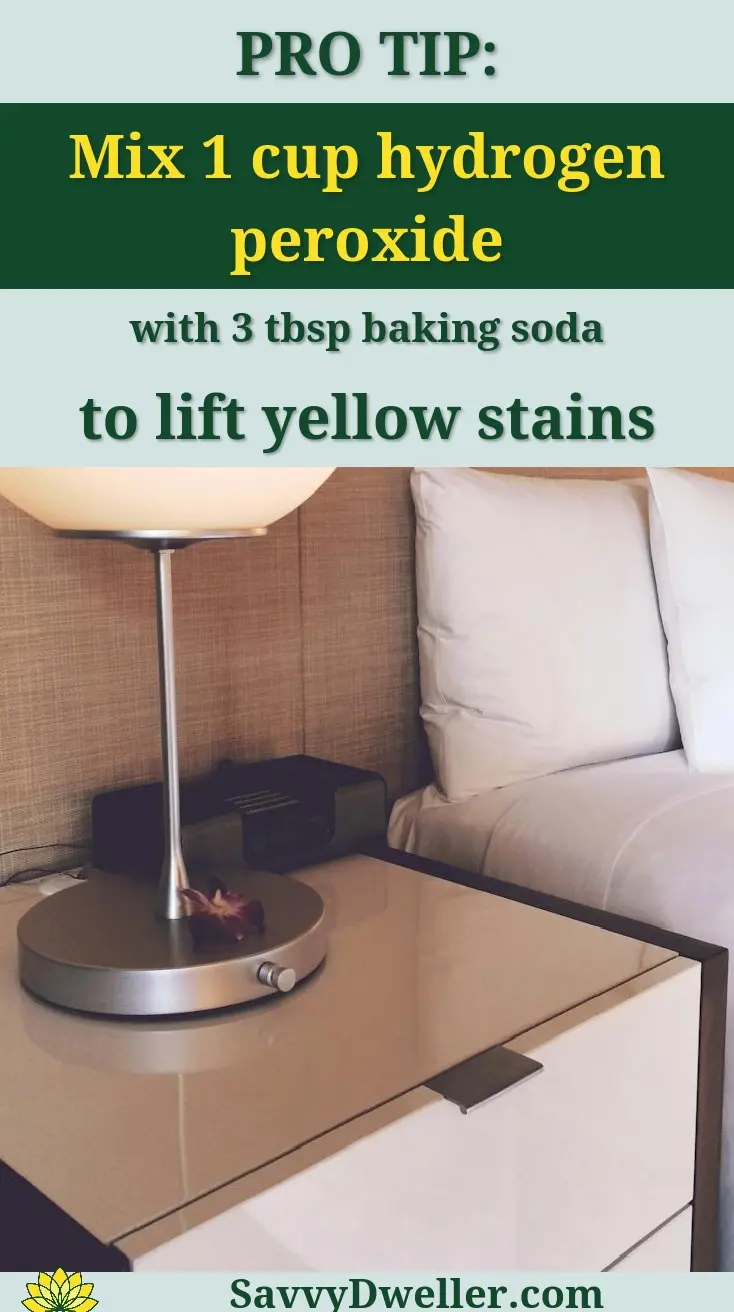
- Mix 1 cup hydrogen peroxide with 3 tablespoons liquid dish soap in your spray bottle
- Shake gently to combine without creating excessive suds
- Spray the solution directly onto yellow stains, saturating the area completely
- Let the mixture sit for 10-15 minutes while it bubbles and works on the stains
- Blot the area with clean cloths, pressing firmly to absorb dissolved stain material
- Repeat the process if stains are still visible after the first treatment
- Use a fan to speed drying and prevent moisture from seeping deeper into the mattress
For Set-In Stains
- Create a paste using 1/4 cup hydrogen peroxide and 1/4 cup baking soda
- Add 1 tablespoon dish soap to create a thick, spreadable consistency
- Apply the paste generously to set-in stains using your fingers or a brush
- Work the paste into the stain gently with a soft-bristled brush
- Allow 30-45 minutes for the paste to penetrate and break down stubborn deposits
- Scrape away the dried paste with a clean cloth
- Blot the area with a damp cloth to remove residue, then dry thoroughly
Also See: A Definitive Guide to Sorting Laundry for Best Results
3. The Enzyme Cleaner Method for Biological Stains
How It Works
Enzyme cleaners contain specialized proteins that literally eat the organic compounds in biological stains like urine, blood, and vomit. These biological catalysts break down complex stain molecules into simple, water-soluble compounds that rinse away easily.
Think of enzymes as microscopic Pac-Men that chomp through protein chains and organic matter. They work continuously until all the stain material is consumed, which is why enzyme cleaners often work better than traditional chemical cleaners on biological messes.
What You’ll Need
- Commercial enzyme cleaner (Nature’s Miracle or Anti Icky Poo work well)
- White vinegar (for DIY option)
- Warm water
- Spray bottle
- Clean towels
- Plastic wrap or aluminum foil
- Small bowl for mixing DIY solution
Step-by-step Instructions
Commercial Enzyme Cleaners
- Blot up any fresh liquid using clean towels, pressing firmly without rubbing
- Apply the enzyme cleaner liberally to the stained area, extending 2 inches beyond visible stain borders
- Cover the treated area with plastic wrap to keep it moist and active
- Allow 4-6 hours for the enzymes to work (overnight is even better for old stains)
- Remove the plastic and blot the area with clean, damp towels
- Let the mattress air dry completely before replacing bedding
DIY Enzyme Solution
- Mix 1 cup white vinegar with 1 cup warm water in your spray bottle
- Add 2 tablespoons baking soda (it will foam briefly – this is normal)
- Spray the solution generously onto biological stains
- Work the solution into the stain gently with your fingers or a cloth
- Cover with plastic wrap and let sit for 2-3 hours minimum
- Blot thoroughly with clean towels and allow to air dry completely
- Repeat if any odor or discoloration remains after drying
4. The Steam Sanitization Method
How It Works
Steam uses high heat with minimal moisture to sanitize the surface and loosen grime so it wipes away easily. The heat helps reduce bacteria, dust mites, and the residues that lead to yellowing without soaking the foam.
This approach helps when you need to know how to sanitize a mattress fast, especially after colds or spills. Keep the steam light and controlled to avoid over-wetting while deep cleaning a mattress.
What You’ll Need
- Steam cleaner with upholstery tool (or a garment steamer)
- Alternatively: household iron + clean white damp cotton cloth
- Vacuum with upholstery/HEPA attachment
- Clean white microfiber towels for blotting
- Fans and, if possible, a dehumidifier
- Spray bottle with distilled water (for pre-dampening cloth or light misting)
Step-by-step Instructions
Using a Steam Cleaner
- Prep the area. Open windows, turn on fans, and strip all bedding. Vacuum the mattress slowly in overlapping passes to remove dust before steam.
- Set your steamer. Choose the lowest moisture output with steady heat. Attach the upholstery head and a clean cloth cover if your tool allows.
- Test a corner. Hold the nozzle 3–6 inches above the surface and steam a small spot. Check for colorfastness and any fabric distortion.
- Work in small sections. Move in a crosshatch pattern with short, sweeping passes. Keep the head moving to avoid saturating one area.
- Blot immediately. After each steamed section, press a dry microfiber towel to the fabric to lift moisture and loosened residues.
- Edge details. Lightly steam seams, tufting, and piping where dust and odors collect. Blot again.
- Dry fast. Stand the mattress on its side or elevate it on blocks, aim two fans at opposite sides, and run a dehumidifier if available.
- Final refresh. When fully dry, vacuum again to lift remaining residue. This leaves the fabric smoother and cleaner to the touch.
Use steam as a sanitizing pass, not a soak. If you’re asking how to deep clean a mattress without damage, the answer is controlled heat and quick drying.
Using an Iron and Damp Cloth
- Prep and vacuum. Clear the area, increase airflow, and vacuum the entire surface to remove grit.
- Make a barrier. Lightly dampen a white cotton cloth with distilled water and lay it flat over the mattress area you’ll treat.
- Heat the iron. Set to “cotton/linen” but turn OFF any steam function. You want dry heat; the cloth provides the tiny amount of moisture.
- Press and lift. Place the hot iron on the damp cloth for 3–5 seconds, then lift. Do not glide the iron across the fabric. Move to the next spot and repeat.
- Rotate cloths. As the cloth warms and collects residues, switch to a clean damp cloth. This transfers grime into the cloth instead of deeper into the mattress.
- Blot and dry. After pressing a section, blot with a dry towel and increase airflow. Repeat as needed for the entire surface.
This low-tech method mimics a “dry vapor” clean while keeping water out of the foam. It’s a smart workaround if you don’t own a steam cleaner and still want mattress cleaning with sanitizing power.
5. The Vinegar and Essential Oil Method
How It Works
White vinegar (acetic acid) neutralizes alkaline sweat residues and deodorizes without harsh chemicals. It can gently brighten light yellowing by dissolving mineral deposits that lock in odors.
Essential oils add a pleasant scent and mild deodorizing, but they don’t sanitize on their own. This is a simple way to clean mattress fabrics when you want a fresh, neutral smell without any strong fragrances.
What You’ll Need
- Distilled white vinegar
- Distilled water
- Spray bottle with fine mist
- Clean white microfiber cloths
- Optional: 5–10 drops essential oil per cup of solution (lavender, eucalyptus, or tea tree). Use cautiously around pets and children.
- Fans and good ventilation
Step-by-step Instructions
For General Cleaning
- Mix a gentle solution. Add 1 part white vinegar to 2 parts water in a spray bottle. Add essential oil if desired.
- Light mist only. Spray a fine, even mist over a 2–3 ft section of the mattress. Avoid soaking-less is more when you want to deep clean mattress fabrics safely.
- Wait and blot. Let sit 5–10 minutes, then blot with a clean cloth to lift dissolved residues.
- Air and repeat. Move to the next section, then increase airflow with fans. Once dry, do a quick vacuum pass to lift any raised fibers.
For Stubborn Odors
- Mix a stronger solution. Use a 1:1 ratio of white vinegar to water. Add 5–10 drops of essential oil per cup if you want a light scent.
- Target the source. Mist the problem area and gently press with a microfiber cloth to encourage wicking from inside the fabric.
- Timed dwell. Let it work for 15 minutes, then blot thoroughly with dry towels.
- Dry thoroughly. Elevate the mattress edge, run fans, and, if available, use a dehumidifier. Repeat once if needed after fully dry.
Vinegar helps with how to clean stains from a mattress that are new and odor-causing, but deep oxidized yellowing may need a different stain-specific approach. Always test a hidden area first and never mix vinegar with bleach.
6. The Professional-grade Deep Clean Method
How It Works
Professional tools use low-moisture upholstery chemistry, controlled heat, and strong extraction to lift embedded soils while reducing microbes and allergens. It’s the most thorough option when you need how to deep clean mattress results across the entire surface.
This approach pairs a targeted pre-spray with gentle agitation and a warm rinse, then rapid drying. It’s ideal when you want to eliminate mattress stains and odors without overwetting.
What You’ll Need
- Commercial or rental upholstery extractor with adjustable pressure (40–100 PSI) and strong vacuum
- Low-foaming, neutral-pH upholstery cleaner safe for mattresses
- Rinse agent (fiber-safe) and a soft upholstery brush
- HEPA vacuum with upholstery tool
- Clean white microfiber towels
- Fans and a dehumidifier
- Optional: Moisture meter to confirm dryness; fabric protector to help how to stain proof a mattress
Step-by-step Instructions
- Check labels. Review the mattress tag and warranty guidance. If unsure how to clean a mattress with your model, contact the manufacturer.
- Dry soil removal. Vacuum the entire surface slowly in overlapping passes. This is the fastest way to improve results before wet work.
- Light pre-spray. Mist a neutral-pH upholstery cleaner across a small section. Do not saturate; a light, even coat is enough.
- Gentle agitation. Use a soft brush to work the cleaner into the fabric weave for 30–60 seconds.
- Dwell time. Allow 5–8 minutes so chemistry can loosen soils. Keep airflow going while you wait.
- Low-pressure rinse/extract. Using warm water, make quick, smooth passes with the extractor. Aim for two wet passes followed by two or more dry vacuum-only passes.
- Edge and seam care. Reduce pressure along piping and tufting and take extra dry passes to limit moisture retention.
- Flip or rotate. If the mattress allows, repeat on the other side and the edges for uniform cleanliness.
- Speed-dry. Elevate on blocks, aim two fans at opposite sides, and run a dehumidifier. Continue until the mattress measures dry or feels bone-dry to the touch with no cool/damp spots.
- Protect. Once dry, apply a fabric protector approved for upholstery to help how to stain proof a mattress going forward.
This is how to deep clean a mattress when DIY methods aren’t enough and you want consistent, professional results. Keep pressures low and dry passes high to avoid over-wetting.
Mattress Type Considerations
- Innerspring/Hybrid: Fabric-facing cleaning works well; keep extraction pressure low and prioritize dry passes.
- Memory Foam: Avoid saturation and high heat. Skip full extraction; use controlled surface cleaning and fast drying only.
- Latex: Use cool-to-warm processes and minimal moisture. Excess heat can affect elasticity.
- Pillow-Top/Euro-Top: Thick quilting holds moisture. Clean in smaller sections with extra dry passes and longer drying time.
- Encasements/Protectors: Remove and launder separately. Clean the mattress surface beneath before reinstalling.
Proper Drying Techniques
- Max airflow. Stand the mattress on its edge or elevate it so air circulates on both sides. Aim two fans in a cross-breeze pattern.
- Control humidity. Run a dehumidifier to 40–50% RH to pull moisture from the core faster.
- Spot-check. Press a dry tissue firmly against seams and tufts. If it picks up moisture or feels cool, keep drying.
- Timing. Expect 6–24 hours depending on thickness and room conditions. Do not re-make the bed until fully dry and odor-free.
- Prevention. Add a breathable waterproof protector to make how to clean mattress stains easier next time and reduce how to remove yellow stains from a mattress later.
Fast, thorough drying is what turns good mattress cleaning into great results that last. Patience here prevents musty smells and keeps foam resilient.
The Science Made Simple: Why Yellow Stains and Odors Develop
Body Oils and Sweat Accumulation
Your mattress slowly absorbs a mix of sweat, salt, urea, and skin oils every night. Those oils (sebum) contain triglycerides and squalene that oxidize in air and light, which turns fabrics yellow over time.
Minerals from hard water and leftover detergents on sheets bind to sweat and set into the ticking, deepening that yellow cast. When humidity stays high, moisture wicks deeper into foam and batting, spreading the stain footprint.
- What this means for mattress cleaning: keep rooms under 50% humidity, rotate and air out the mattress, and blot-don’t rub-fresh sweat spots.
- Use light mists of cleaner and fast drying to reduce oxidation that causes yellowing.
Protein-based Stain Chemistry
Biological fluids like blood, milk, and some urine residues contain proteins that “cook” onto fabric with heat. Warm bodies, heated blankets, and hot water cause proteins to denature and bind, which makes stains stubborn. These stubborn stains can be particularly challenging to remove when it comes to formula and breast milk. Knowing how to effectively remove formula and breast milk stains from fabric can save both your clothes and your sanity.
Hydrogen peroxide targets color-causing bonds (chromophores), while enzyme cleaners break proteins into smaller, liftable pieces. A higher pH from dried urine (ammonia) also speeds oxidation, which explains tough yellow halos.
- For protein stains, start with cold water, then apply enzymes; use peroxide last to lift discoloration.
- Limit heat until the stain has released to avoid setting it deeper.
Bacterial and Dust Mite Growth
Warm, damp foam creates a microclimate where bacteria digest sweat components and release sharp odors like isovaleric acid. Dust mites feed on skin flakes and leave enzymes and fragments that cling to fibers and hold smells.
Odors persist because these residues bind to the fabric matrix, so simple deodorizing isn’t enough—you need removal plus drying. Regular HEPA vacuuming and periodic baking soda help disrupt this bio-film and shift surface pH. To effectively remove smells from clothes, it’s important to target the source of the odor along with cleaning. Simple techniques like using vinegar or a specialized laundry detergent can help ensure fresh-smelling fabrics.
- Boost odor control by drying fast, ventilating well, and scheduling a monthly HEPA vacuum of the mattress surface.
- Steam used correctly can aid sanitizing, but only when the mattress type can handle it and drying is rapid.
Common Mistakes to Avoid When Deep Cleaning Your Mattress
Over-wetting the Mattress
Soaking drives liquid into foam, glues, and coils, leading to lasting odors, rust, and possible mildew. Over-wetting also spreads the stain plume so yellow rings get bigger.
- Pre-treat with a fine-mist spray, not a pour. Aim for a slightly damp surface.
- Blot with a white towel using firm, repeated presses. Replace towels as they load up.
- Work in small zones (8–12 inches). Clean, blot, then move on.
- Use a wet/dry vac on “extract” if available to pull moisture back out.
- Stop when towels lift mostly dry; then start active drying with fans.
Using Harsh Chemicals
Chlorine bleach, high-strength peroxide, or strong solvents can degrade foam, fade fabrics, and damage the fire barrier. Mixing acids (vinegar) with peroxide creates peracetic acid, which is unsafe and can harm materials.
- Safer choices for mattress cleaning: 3% hydrogen peroxide, enzyme cleaner, mild dish soap, baking soda, and plain cold water.
- Never mix vinegar and peroxide on a mattress.
- Start with the gentlest method that matches the stain (enzyme for urine, cold water then peroxide for blood).
- Use diluted solutions and apply with a spray or cloth-never pour.
- Rinse by blotting with a clean, damp cloth to remove residues.
Skipping the Drying Process
Leaving moisture trapped inside creates musty odors and can lead to yellow re-appearing as dissolved soils wick upward. Fast drying is half the job when deep cleaning a mattress.
- Set up cross-ventilation and a box fan aimed across the surface, not at it.
- Use a dehumidifier to keep room humidity under 50% until fully dry.
- Flip or rotate the mattress to expose damp areas to air flow.
- Check dryness with a dry paper towel press; no coolness or transfer means you’re done.
- Avoid high heat from hair dryers or heaters on foam-use moving air and time.
Not Testing Cleaning Solutions First
Mattress fabrics vary-some have dyes, finishes, or fire barriers that react to cleaners. A quick spot test can save you from rings, fading, or roughened fabric.
- Choose a hidden spot (under a label or along the bottom edge).
- Apply one drop or a small spritz of your solution.
- Wait 15–30 minutes, then blot with a white cloth and check for color transfer or texture change.
- If safe, proceed; if not, switch to a gentler method.
Ignoring Mattress Type Requirements
Memory foam, latex, hybrid, and innerspring cores handle moisture and heat differently. Using the wrong method can void warranties or damage layers.
| Mattress Type | What to Use | Avoid |
|---|---|---|
| Memory foam | Light mists, enzyme cleaner, 3% peroxide, fast fan drying | Soaking, hot steam, high heat tools |
| Latex | Mild soap, enzyme cleaner, cool water, quick drying | Solvents, direct sun/UV, high heat |
| Hybrid/Innerspring | Spot clean, limited steam with strong extraction, thorough drying | Prolonged wetting that can rust coils |
| Air/Adjustable | Very light surface cleaning only, keep valves/pump dry | Liquids near electronics or seams |
- Check the care tag and warranty before you start.
- Match the method to the core: less liquid for foams, careful extraction for hybrids.
- When in doubt about how to deep clean a mattress, choose gentler products and longer drying over aggressive wet methods.
These mattress cleaning tips help you avoid damage while you sanitize a mattress and remove odors. Use them any time you plan how to clean a mattress, how to remove stains from mattress fabric, or how to get stains out of a mattress without making yellowing worse.

Frequently Asked Questions
How Often Should I Deep Clean My Mattress to Maintain Hygiene?
For optimal hygiene, aim to deep clean your mattress every 6 to 12 months, depending on usage. Regular vacuuming every 1-2 months helps control dust and allergens, but a thorough deep clean with methods like baking soda or steam is essential semi-annually to break down accumulated oils and prevent yellowing. Increase frequency if you have allergies, pets, or frequent spills to avoid deep-set stains.
Are These Cleaning Methods Safe for All Mattress Types, Such As Memory Foam or Hybrid?
Most methods are safe, but always test cleaning solutions on a small, hidden area first to check for discoloration or damage. For memory foam or latex mattresses, avoid over-wetting-use minimal moisture and blot instead of scrubbing to prevent mold. Steam cleaning should use low heat and brief passes; consult your mattress manufacturer’s guidelines for specific restrictions to avoid voiding warranties.
Will Deep Cleaning My Mattress Void the Manufacturer’s Warranty?
It might, if you use harsh chemicals or improper techniques. Review your warranty terms carefully before cleaning-many require approved methods or professional services. Stick to gentle, DIY solutions like baking soda or enzyme cleaners, and avoid saturating the mattress. If unsure, contact the manufacturer directly to prevent accidental damage that could nullify coverage.
What is the Best Way to Protect My Mattress After Cleaning to Prevent Future Stains?
Invest in a high-quality, waterproof mattress protector to block sweat, spills, and allergens. Wash bedding weekly and ensure good bedroom ventilation to reduce moisture buildup. Rotate your mattress head-to-foot every 3-6 months to distribute wear evenly, and avoid eating or drinking in bed to minimize stain risks. Taking these steps is crucial not only for maintaining comfort but also for preventing bed bugs from infesting your mattress. Regular maintenance can help you get rid of bed bugs in your mattress before they become a more challenging problem.
How Long Should I Wait to Use the Mattress After Deep Cleaning?
Wait until the mattress is completely dry to the touch, which can take 4-8 hours with good airflow. Use fans or open windows to speed up drying; moisture left inside can lead to mold. For steam cleaning, allow extra time-up to 24 hours-before remaking the bed to ensure no dampness remains, especially in cooler climates.
Final Words
Your mattress deserves the same care and attention you give to other important items in your home. With these proven methods, you can transform even the most stained and odorous mattress back to a clean, fresh sleeping surface that supports your health and comfort. The key lies in choosing the right method for your specific situation and being patient with the process.
Remember that regular maintenance prevents most deep cleaning challenges from developing in the first place. By implementing a quarterly deep clean routine and addressing spills immediately, you’ll extend your mattress life significantly while creating a healthier sleep environment. These methods work because they target the root causes of stains and odors, not just the surface symptoms.
Ready to reclaim your mattress and improve your sleep quality? Start with the baking soda method for your next cleaning session and experience the difference a truly clean mattress makes. For more practical home solutions and wellness tips that actually work, visit Savvy Dwelling where we share research-backed strategies for creating your healthiest home environment.
Additional Resources for You:
- How to Clean a Mattress Quickly and Easily
- Yellow Stains on Your Mattress? Here’s How to Clean and Disinfect for – Sleep Zone
- How to Get Yellow Stains Out of a Mattress: Step-by-Step
- Limes, alcohol and vinegar — no, it’s not a cocktail recipe, it’s tricks to remove yellow stains from your mattress and pillows
- How to Get Stains Out of a Mattress: Our Team’s In-Depth Guides