How to Clean Your Granite Countertops Without Damaging Them
Watching your beautiful granite countertops lose their shine or develop dull spots can feel heartbreaking, especially after investing so much in your dream kitchen. You’ve probably noticed that regular household cleaners seem to make things worse, leaving behind streaks, etching, or even permanent damage that makes you second-guess every cleaning product you reach for.
This guide provides you with the exact methods and safe cleaning solutions that preserve granite’s natural beauty while keeping your countertops spotless. We’ve researched the science behind granite care and tested various approaches to bring you foolproof techniques that work without the guesswork. You’ll learn gentle daily cleaning routines, natural DIY solutions, and specific stain removal methods that protect your investment for years to come.
Contents
- At a Glance: The Best Solutions
- 1. Daily Gentle Cleaning Method
- 2. Natural DIY Granite Cleaner
- 3. Commercial Granite Cleaner Application
- 4. Stain-specific Removal Techniques
- 5. Deep Cleaning and Resealing Process
- The Science Made Simple: Why Granite Gets Damaged
- Common Mistakes to Avoid When Cleaning Granite
- 5 Habits to Keep Your Granite Countertops Pristine
- Frequently Asked Questions
- Final Words
At a Glance: The Best Solutions
Cleaning granite countertops safely comes down to using the right methods and avoiding harsh chemicals that can damage the stone. The key is gentle cleaning with pH-neutral solutions that won’t etch or dull your granite’s natural shine.
You have several effective options for how to clean granite countertops without damaging them. Daily maintenance requires nothing more than warm water and a soft cloth. For deeper cleaning, a simple homemade granite cleaner works wonderfully.
Commercial granite cleaners offer convenience when you need something stronger. Stain removal requires specific techniques depending on what caused the mark, but most issues can be resolved with the right approach. Sometimes, even after washing and drying, stains can remain stubbornly set. For those tricky situations, a last resort guide can help effectively tackle stains that just won’t budge.
The most important rule when cleaning granite countertops? Never use acidic cleaners like vinegar, lemon juice, or standard household cleaners. These will permanently etch your granite surface, creating dull spots that can’t be easily repaired.
Your granite countertops will stay beautiful for decades with proper care that takes just minutes each day. The methods we’ll show you are simple, use common household items, and protect your investment while keeping your kitchen sparkling clean.
1. Daily Gentle Cleaning Method
How It Works
This method focuses on gentle surface cleaning that removes daily debris without compromising your granite’s protective seal. The key lies in using pH-neutral solutions that clean effectively while preserving the stone’s natural beauty.
Unlike harsh chemical cleaners, this approach works with granite’s mineral composition rather than against it. You’ll maintain that glossy finish while preventing the micro-scratches that dull your countertops over time. It’s particularly important to choose the right method for natural stone surfaces, as cleaning quartz countertops requires a different technique.
What You’ll Need
- Warm water
- pH-neutral dish soap (like Dawn Original)
- Microfiber cloths (at least 2)
- Soft-bristled brush for textured areas
- Clean spray bottle
Step-by-step Instructions
Dusting and Initial Prep
- Remove all items from your granite countertops, including appliances and decorative objects.
- Use a dry microfiber cloth to sweep away loose crumbs and dust particles.
- Pay special attention to corners and edges where debris tends to accumulate.
The Gentle Cleaning Process
- Fill your spray bottle with warm water and add just 2-3 drops of pH-neutral dish soap.
- Shake gently to create a mild cleaning solution.
- Spray the solution lightly across the granite surface, working in 2-foot sections.
- Use circular motions with your microfiber cloth, applying minimal pressure.
- For textured granite surfaces, gently work the soft-bristled brush along the grain pattern.
Proper Drying and Finishing
- Immediately follow cleaning with a clean, dry microfiber cloth to prevent water spots.
- Buff the surface in long, smooth strokes to restore the natural shine.
- Check for any remaining streaks and address them with quick circular motions.
2. Natural DIY Granite Cleaner
How It Works
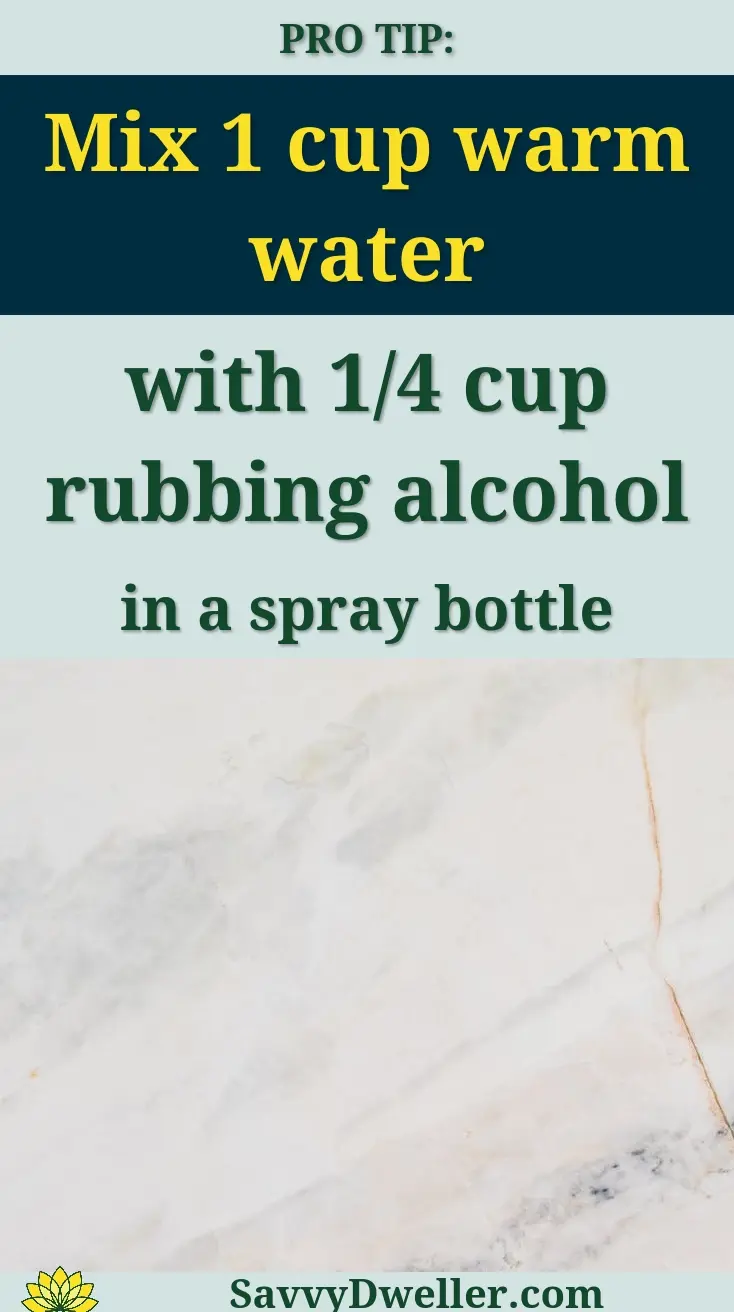
This natural formula combines the cleaning power of isopropyl alcohol with gentle surfactants to tackle grease and grime safely. The alcohol evaporates quickly, preventing water marks while the soap component lifts away stubborn residues.
Many people wonder how to clean granite countertops with vinegar, but vinegar’s acidity can damage granite over time. This alcohol-based solution provides similar cleaning power without the risk, unlike homemade vinegar-based cleaners that can erode stone surfaces.
What You’ll Need
- 1/4 cup isopropyl alcohol (70% concentration)
- 1 teaspoon pH-neutral liquid soap
- 1 cup warm water
- 16-ounce spray bottle
- Microfiber cloths
- Funnel for mixing
Step-by-step Instructions
Mixing Your Safe Granite Solution
- Using a funnel, pour the isopropyl alcohol into your clean spray bottle.
- Add the pH-neutral soap, ensuring you measure precisely to avoid residue buildup.
- Fill the remaining space with warm water, leaving about an inch at the top.
- Cap the bottle and shake gently for 10-15 seconds to blend the ingredients.
- Label your bottle with the contents and date for future reference.
Application and Cleaning Technique
- Test the solution in an inconspicuous area first to ensure compatibility.
- Spray the cleaner onto the granite surface, covering about 3 square feet at a time.
- Allow the solution to sit for 30 seconds to break down oils and grime.
- Wipe clean with a microfiber cloth using overlapping strokes.
- Follow immediately with a dry cloth to prevent streaking and restore shine.
Also See: The Magic Eraser: 6 Surprising Uses for Hydrogen Peroxide in Laundry
3. Commercial Granite Cleaner Application
How It Works
Commercial granite cleaners are specifically formulated with balanced pH levels and specialized surfactants designed for natural stone. These products often include conditioning agents that help maintain your granite’s protective seal while cleaning.
Professional-grade cleaners typically work faster than homemade solutions and often leave behind protective residues that enhance your granite’s natural luster between cleanings.
What You’ll Need
- Stone-specific granite cleaner (StoneTech, Granite Gold, or similar)
- Microfiber cloths (2-3 for larger surfaces)
- Soft-bristled detailing brush
- Clean water for rinsing if required
- Protective gloves (optional but recommended)
Step-by-step Instructions
Choosing the Right Commercial Product
- Look for cleaners labeled specifically for natural stone or granite surfaces.
- Verify the product is pH-neutral (typically between 6.5-7.5 on the pH scale).
- Read the ingredients list and avoid products containing acids, ammonia, or bleach.
- Choose concentrated formulas for better value and reduced packaging waste.
Safe Application Methods
- Clear the entire countertop surface and remove any standing water or debris.
- Apply the commercial cleaner according to manufacturer directions, typically 2-3 pumps per square foot.
- Allow the product to dwell for the recommended time, usually 1-2 minutes for standard cleaning.
- Use your microfiber cloth to work the cleaner across the surface in smooth, even strokes.
- For stubborn spots, use the soft-bristled brush with gentle circular motions.
- Complete the process with a clean, dry microfiber cloth to remove any residual product and restore shine.
4. Stain-specific Removal Techniques
Different types of stains require different approaches when cleaning granite countertops. Understanding what caused the stain helps you choose the safest and most effective removal method.
The key to successful granite stain removal is acting quickly and using the right technique for each stain type. Let’s break down the most common stains and how to tackle them properly.
Oil-based Stains
Oil-based stains from cooking oils, butter, or cosmetics can penetrate granite’s porous surface if left untreated. These stains appear as dark spots that seem to soak into the stone.
What You’ll Need
- Baking soda
- Acetone or mineral spirits
- Plastic wrap
- Masking tape
- Clean cloth or paper towels
Removal Process
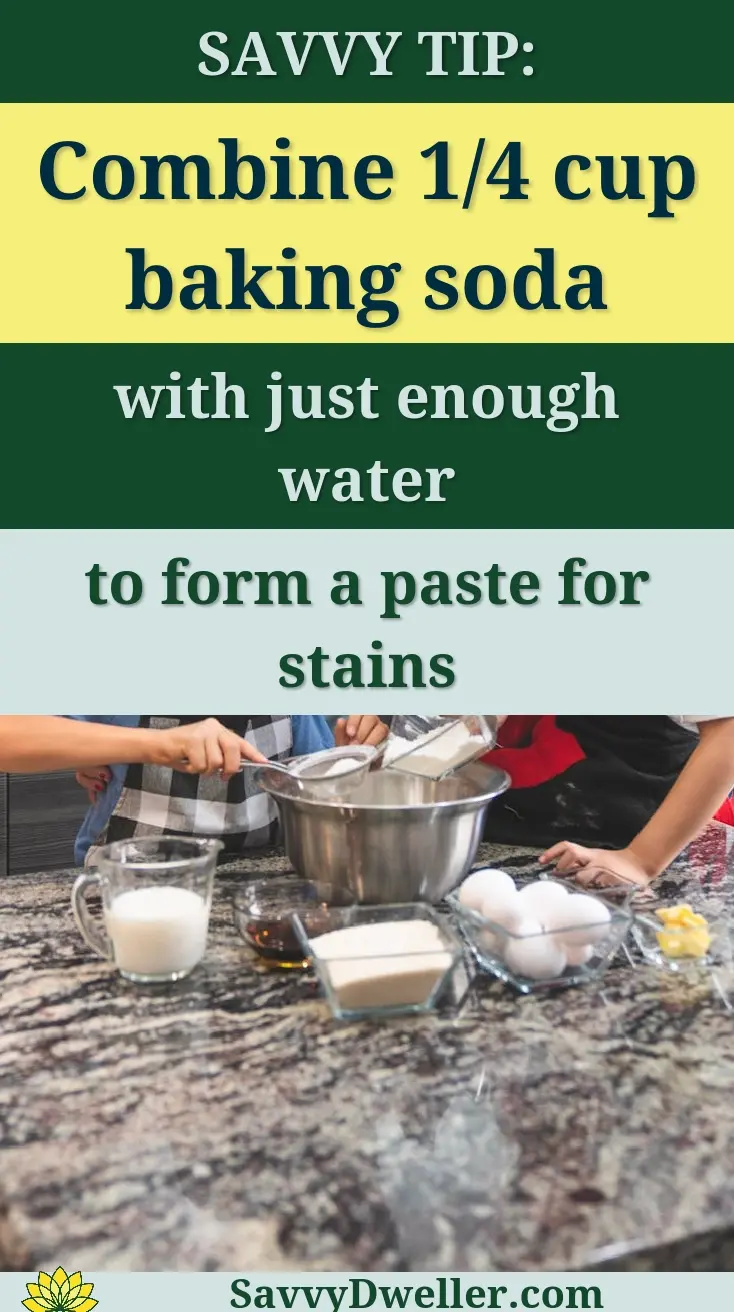
- Mix baking soda with acetone to create a thick paste with the consistency of peanut butter
- Spread the paste over the stained area, extending about one inch beyond the stain’s edges
- Cover with plastic wrap and seal the edges with masking tape
- Let the poultice sit for 24 hours to draw out the oil
- Remove the plastic and scrape away the dried paste with a plastic scraper
- Rinse with clean water and dry immediately with a soft cloth
- Repeat if traces of the stain remain
Wine and Food Stains
Organic stains from wine, coffee, fruit juice, or tomato-based foods can discolor granite if not addressed promptly. These stains often respond well to hydrogen peroxide treatment.
What You’ll Need
- 12% hydrogen peroxide (hair bleaching strength)
- Flour or baking soda
- Plastic wrap
- Masking tape
- Rubber gloves
Removal Process
- Put on rubber gloves to protect your hands from the hydrogen peroxide
- Mix hydrogen peroxide with flour to create a thick paste
- Apply the paste to the stained area, covering it completely
- Cover with plastic wrap and tape down the edges
- Allow the poultice to work for 24 hours
- Remove the covering and let the paste dry completely
- Scrape away the dried material and rinse thoroughly
- Dry the area immediately to prevent water spots
Water Marks and Mineral Deposits
Hard water leaves chalky white deposits on granite surfaces, especially around sinks and faucets. These mineral buildups can dull the stone’s natural shine over time.
What You’ll Need
- 0000-grade steel wool (ultra-fine)
- Granite cleaner or mild dish soap
- Clean water
- Microfiber cloths
- Granite polish (optional)
Removal Process
- Clean the area with your regular granite cleaner first
- Dampen the ultra-fine steel wool with water
- Gently rub the mineral deposits in circular motions using very light pressure
- Rinse frequently to check progress and prevent scratching
- Clean the area again with granite cleaner
- Dry thoroughly with a microfiber cloth
- Apply granite polish if desired to restore shine
5. Deep Cleaning and Resealing Process
Even with proper daily care, granite countertops need periodic deep cleaning and resealing to maintain their protection. Most granite surfaces require resealing every 1-3 years, depending on usage and the quality of the original seal.
Regular resealing prevents stains from penetrating the stone and keeps your countertops looking their best for decades.
How to Tell if Your Granite Needs Resealing
Several simple tests can help you determine if your granite countertops need fresh sealer. These methods give you clear indicators without guesswork.
The Water Drop Test
Place a few drops of water on different areas of your granite surface. If the water absorbs into the stone within 15-20 minutes, your granite needs resealing. Well-sealed granite will cause water to bead up and sit on the surface for hours.
Test multiple spots since wear patterns can vary across your countertops. High-use areas near the sink often need attention first.
Visual Signs of Wear
Look for these visual indicators that suggest it’s time to reseal:
- Dull or matte appearance in high-traffic areas
- Water stains that won’t clean off completely
- Oil stains that penetrate quickly
- Overall loss of the stone’s natural luster
What You’ll Need
- Granite sealer (impregnating type recommended)
- Granite cleaner or degreaser
- Clean microfiber cloths
- Foam brush or clean cloth for application
- Clean water
- Rubber gloves
- Plastic sheeting to protect surrounding areas
Step-by-step Resealing Instructions
Proper sealing requires patience and attention to detail. The entire process takes about 2-3 hours, plus curing time, but the protection lasts for years.
Preparation and Cleaning
- Remove everything from the countertops and protect surrounding surfaces
- Clean the entire granite surface thoroughly with granite cleaner
- Remove any existing residue, soap buildup, or mineral deposits
- Allow the surface to dry completely (wait at least 24 hours if deep cleaned)
- Ensure the room is well-ventilated and the temperature is between 50-80°F
Sealer Application
- Put on rubber gloves and shake the sealer bottle well
- Apply sealer in small sections (about 2-3 square feet at a time)
- Use a foam brush or clean cloth to spread the sealer evenly
- Allow the first coat to penetrate for 15-20 minutes
- Apply a second coat if the granite absorbs the first coat quickly
- Remove excess sealer with a clean, dry cloth before it dries
- Work systematically across the entire surface
Curing and Final Steps
- Allow the sealer to cure for 24-48 hours before normal use
- Avoid placing any items on the surface during curing time
- Keep the area dry and avoid cleaning during this period
- Test the seal after curing with the water drop test
- Apply additional coats if needed in high-use areas
- Resume normal cleaning routine after full cure time
The Science Made Simple: Why Granite Gets Damaged
Understanding how granite responds to different substances helps you make better cleaning choices. Once you know why certain products damage granite, you’ll naturally avoid the mistakes that lead to expensive repairs.
Understanding Granite’s Porous Nature
Granite forms deep underground from cooled magma, creating a crystalline structure with tiny spaces between mineral crystals. These microscopic pores allow liquids to penetrate the stone if it’s not properly sealed.
Think of unsealed granite like a sponge made of stone. While it appears solid, it can absorb spills that later become permanent stains.
This porosity varies between granite types, with some stones naturally denser than others. Darker granites often have lower porosity than lighter varieties.
How Acids Cause Etching
Granite contains various minerals, including feldspar and mica, that react chemically with acidic substances. When acids contact granite, they dissolve these minerals, creating dull spots called etching.
Etching appears as light or cloudy areas on the granite surface. Unlike stains that sit on top, etching actually changes the stone’s structure at a microscopic level.
Common household acids like lemon juice, vinegar, and wine can cause etching in just minutes of contact. This damage can’t be cleaned away—it requires professional polishing to repair.
The Role Of Sealers in Protection
Granite sealers work by filling the stone’s pores with protective compounds that repel liquids. Quality impregnating sealers penetrate deep into the granite rather than sitting on the surface.
Properly applied sealer creates an invisible barrier that gives you time to clean up spills before they penetrate. However, sealers don’t protect against acid etching—they only prevent absorption.
Even sealed granite requires immediate cleanup of acidic spills to prevent permanent damage. The sealer buys you precious time but doesn’t make granite acid-proof.
Common Mistakes to Avoid When Cleaning Granite
Even the most well-intentioned cleaning efforts can permanently damage your granite countertops if you use the wrong products or techniques. Understanding these common pitfalls will save you from costly repairs and keep your granite looking pristine for years.
One wrong cleaning choice can create irreversible etching, dulling, or discoloration on your granite surface. Let’s explore what to avoid so you can clean granite countertops with confidence.
Products That Damage Granite
Many products that work wonderfully on other surfaces can be granite’s worst enemy. The key is understanding that granite is a natural stone with unique vulnerabilities that require specific care.
Acidic Cleaners to Never Use
Acidic cleaners cause chemical reactions that permanently etch granite’s polished surface. This creates dull, rough spots that no amount of cleaning can fix.
Never use vinegar, lemon juice, or any citrus-based cleaners on granite countertops. While these natural cleaners work great elsewhere, they’ll slowly eat away at your granite’s protective finish. For tough cleaning tasks like oven grime, alternatives such as baking soda and vinegar can be incredibly effective. Many people find that this combination serves as a powerful tool for maintaining a spotless oven without damaging the surfaces.
- White vinegar and apple cider vinegar
- Lemon juice or lime juice cleaners
- Commercial bathroom cleaners with citric acid
- Toilet bowl cleaners (even diluted)
- Rust removers containing oxalic acid
Abrasive Tools and Scrubbers
Granite may seem tough, but its polished surface scratches more easily than you’d expect. Using the wrong tools can create permanent marks that dull your countertop’s natural shine. Similar care should be taken with glass stovetops, where scratches can also diminish the beauty and functionality. Learning how to erase scratches from a glass stovetop can help restore its sleek look and maintain its usability.
Steel wool, scouring pads, and rough brushes will scratch granite’s surface, creating microscopic grooves where bacteria and stains can hide. Stick to soft microfiber cloths and gentle sponges instead.
- Steel wool or metal scrubbing pads
- Coarse sponges with abrasive backing
- Pumice stones
- Razor blades or scrapers
- Sandpaper (even fine-grit)
Common Household Cleaners That Harm Granite
Many popular cleaning products contain ingredients that can damage granite over time. Reading labels becomes crucial when you want to properly care for granite countertops.
Bleach-based cleaners and ammonia products can break down granite’s sealant and cause discoloration. Even “multi-surface” cleaners often contain harmful ingredients.
- Bleach or chlorine-based cleaners
- Windex and other ammonia-based glass cleaners
- Lysol wipes and disinfecting sprays
- 409 and similar all-purpose cleaners
- Fantastic and other alkaline cleaners
Cleaning Technique Mistakes
Even with the right products, poor technique can still damage your granite. These common mistakes happen when people treat granite like other countertop materials.
Using Too Much Pressure
Aggressive scrubbing won’t make stains disappear faster – it’ll just scratch your granite’s surface. Gentle pressure with the right technique works better than brute force, especially when cleaning delicate surfaces like granite. This approach is different from the more rigorous methods you might use for grout floors.
Let your cleaner do the work rather than your elbow grease. Light, circular motions remove dirt and grime without risking damage to the stone.
Leaving Cleaning Products on Too Long
Some people think letting cleaners sit longer will boost their effectiveness. With granite, extended contact time can actually cause chemical damage or discoloration.
Never let any cleaning product sit on granite for more than a few minutes, even granite-safe cleaners. Quick application and immediate wiping prevent potential problems.
Skipping the Drying Step
Leaving granite wet after cleaning creates water spots and mineral deposits. These spots become harder to remove over time and can permanently dull your surface.
Always finish with a clean, dry microfiber cloth to prevent water spots and maintain your granite’s natural luster. This simple step makes the biggest difference in how your countertops look.
Maintenance Oversights
Long-term granite care involves more than just daily cleaning. These maintenance mistakes gradually compromise your countertops’ appearance and durability.
Ignoring Spills
Granite’s porous nature means spills can penetrate the surface if left unattended. Oil, wine, and acidic liquids cause the most damage when ignored.
Wipe up spills immediately, even if your granite is sealed – no sealant provides 100% protection forever. Quick action prevents stains from setting into the stone.
Forgetting to Reseal
Most granite countertops need resealing every 1-3 years depending on use and the quality of the original seal. Skipping this crucial step leaves your granite vulnerable to stains and damage.
Test your granite’s seal annually by dropping water on the surface – if it absorbs within 15 minutes, it’s time to reseal. This simple test catches problems before they become expensive repairs.
5 Habits to Keep Your Granite Countertops Pristine
Building the right daily habits makes granite care effortless and keeps your countertops looking showroom-fresh. These simple practices prevent most problems before they start.
Consistency beats intensity when it comes to granite maintenance – small daily actions protect your investment better than occasional deep cleaning.
Daily Wipe-down Routine
A quick daily cleaning prevents buildup and keeps your granite sparkling. This 2-minute routine becomes second nature once you establish it.
Use warm water and a microfiber cloth for daily maintenance, adding a few drops of pH-neutral granite cleaner for extra cleaning power. This gentle approach removes everyday dirt without risking damage. Keeping your stainless steel sink clean can also help prevent hard water stains from building up over time. Regularly addressing those stains is crucial for maintaining the sink’s shine and appearance.
- Clear all items from the countertop surface
- Spray or dampen with granite-safe cleaner
- Wipe in circular motions with a microfiber cloth
- Dry immediately with a clean, dry cloth
- Buff to restore natural shine
Immediate Spill Response
Training everyone in your household to respond quickly to spills protects your granite from permanent staining. Speed matters more than the cleaning product you use.
Blot spills immediately rather than wiping them, which can spread the liquid and push it deeper into the stone. Keep microfiber cloths easily accessible in your kitchen.
- Blot liquid spills with a clean cloth (don’t wipe)
- Clean the area with appropriate granite cleaner
- Rinse with clean water
- Dry thoroughly to prevent water spots
- Check for any remaining stain or discoloration
Use Protective Accessories
Simple protective tools prevent most granite damage from occurring. These inexpensive accessories save you from costly repairs and refinishing.
Trivets, cutting boards, and coasters create barriers between your granite and potential damage sources. Make these tools convenient to encourage consistent use.
- Place cutting boards under all food prep activities
- Use trivets or hot pads under all hot cookware
- Provide coasters for drinks, especially acidic beverages
- Place mats under small appliances like coffee makers
- Store kitchen tools in drawers rather than directly on granite
Monthly Seal Checking
Regular seal testing catches problems early when they’re still easy to fix. This monthly habit takes less than a minute but can save thousands in repairs.
Drop a small amount of water on different areas of your granite – if it soaks in within 15 minutes, those spots need attention. Test multiple locations since sealant can wear unevenly.
- Choose 3-4 different spots across your countertops
- Place quarter-sized water drops on each area
- Set a timer for 15 minutes
- Check if water has absorbed into the stone
- Note any areas that need resealing attention
Proper Tool Storage and Selection
Having the right tools readily available makes proper granite care effortless. Smart storage keeps these tools handy while protecting your countertops from accidental damage.
Designate specific cleaning supplies for granite only – this prevents accidental use of harmful products and ensures you always have the right tools available.
- Store granite-safe cleaners in easily accessible locations
- Keep several microfiber cloths designated for granite use only
- Label cleaning products to prevent mix-ups
- Replace worn cloths that might scratch the surface
- Avoid storing anything directly on granite that might leak or stain

Frequently Asked Questions
How Can I Safely Disinfect My Granite Countertops Without Causing Damage?
To disinfect granite safely, avoid harsh chemicals like bleach or ammonia, which can etch the surface. Instead, use a 70% isopropyl alcohol solution mixed with water (in a 1:1 ratio) in a spray bottle. Spray lightly, let it sit for 3-5 minutes to kill germs, then wipe with a soft microfiber cloth and dry thoroughly to prevent residue buildup.
What Should I Do if I Notice Minor Scratches on My Granite?
For minor surface scratches, you can often buff them out with a granite polishing powder designed for natural stone. Apply a small amount to the scratch, gently rub in a circular motion with a damp cloth, then rinse and dry. For deeper scratches, consult a professional, as DIY methods might worsen the damage.
Is It Safe to Prepare Food Directly on Granite Countertops?
While granite is durable, it’s best to always use a cutting board for food prep. Direct cutting can dull knives and risk transferring minute stone particles or sealant residues into food. Additionally, acidic foods like citrus juices could potentially etch the surface if left uncleaned, so prompt wiping is essential.
How Do I Clean Neglected Granite That Has Buildup or Dullness?
Start with a gentle paste of baking soda and water applied to affected areas, letting it sit for a few hours to lift grime. Avoid scrubbing aggressively; instead, use a soft cloth to wipe away. If dullness persists, consider a professional assessment for polishing or resealing, as long-term neglect may require expert restoration.
Final Words
Your granite countertops are a significant investment that deserve proper care, and now you have all the tools to protect them for decades to come. The key to granite maintenance isn’t complicated-it’s about consistency, using the right products, and avoiding harsh chemicals that can cause permanent damage.
Start with the daily gentle cleaning method we outlined, and don’t wait to address spills or stains when they happen. Remember that prevention is always easier than repair, so those simple daily habits will save you time and money in the long run.
Ready to put these techniques into action? Your granite countertops will thank you for the gentle care, and you’ll enjoy their natural beauty for years to come. For more home care tips and solutions that actually work, explore Savvy Dwelling where we share research-backed advice to help you maintain your home like a pro.