How to Get Rid Of Slugs and Snails in Your Garden With Simple Beer Traps
Waking up to find your prized lettuce leaves riddled with holes and slimy trails crisscrossing your garden beds? Those midnight munchers—slugs and snails—can devastate weeks of careful gardening in just a few nights. The frustration of watching your hard work disappear leaf by leaf is something every gardener knows too well.
This guide will show you exactly how to build effective beer traps that actually work, using materials you probably already have at home. We’ve tested and refined these simple trap designs to give you the most reliable, pet-safe methods for reclaiming your garden from these persistent pests. No expensive chemicals or complicated gadgets required—just proven techniques that protect your plants while you sleep.
Contents
- At a Glance: The Best Solutions
- 1. Basic Ground-level Beer Trap
- 2. Elevated Beer Trap for Pet Safety
- 3. Large-scale Beer Trap System
- 4. Weather-resistant Covered Beer Trap
- 5. Enhanced Beer Trap With Natural Attractants
- The Science Made Simple: Why This Problem Happens
- Maintaining Your Beer Traps for Maximum Results
- Common Mistakes to Avoid When Using Beer Traps
- Frequently Asked Questions
- Final Words
- Additional Resources for You:
At a Glance: The Best Solutions
If you’ve been battling slimy trails across your prized vegetables and decimated seedlings, you’re dealing with one of gardening’s most persistent challenges. Beer traps offer the most effective, non-toxic solution for garden slug control that actually works overnight.
Here’s your quick reference guide to the five proven methods we’ll cover in detail:
- Basic Ground-Level Beer Trap: Perfect for beginners, uses simple containers buried flush with soil surface
- Elevated Beer Trap: Pet-safe design that keeps curious animals away while maintaining effectiveness
- Large-Scale System: Best method to get rid of slugs in bigger gardens with strategic spacing calculations
- Weather-Resistant Covered Trap: Maintains beer potency during rainy seasons when slugs are most active
- Enhanced Natural Attractant Trap: Combines beer with yeast and sugar for maximum slug attraction power
Each approach targets different garden situations and slug population densities. You can expect to see trapped slugs within 12-24 hours of proper setup.
The beauty of these homemade snail traps lies in their simplicity and immediate results. Unlike chemical treatments that take days to work, beer traps provide visible proof of effectiveness by morning.
1. Basic Ground-level Beer Trap
How It Works
The basic ground-level beer trap operates on slugs’ and snails’ natural attraction to fermented yeast. When these garden pests detect the scent of beer, they crawl toward the container and fall in, unable to escape due to the slippery sides.
This method works because slugs and snails are drawn to the carbon dioxide and sugars released during fermentation. The alcohol content also acts as a sedative, making it even harder for them to climb out once they’ve fallen in.
What You’ll Need
- Shallow container (yogurt cup, tuna can, or small bowl)
- Fresh beer (any type works, but stale beer is more effective)
- Small trowel or spoon for digging
- Measuring cup for portion control
Step-by-step Instructions
Choosing the Right Container
Select a container that’s 2-3 inches deep with smooth, slippery sides. Yogurt containers work perfectly because their tapered shape prevents escape routes.
Avoid containers with ridged or textured surfaces that might provide grip for slugs trying to climb out. The opening should be wide enough for easy access but not so large that it becomes a hazard for beneficial insects.
Positioning Your Trap
- Dig a hole near affected plants, making it slightly smaller than your container diameter
- Place the container so its rim sits level with the soil surface
- Pack soil firmly around the edges to eliminate gaps
- Position traps 3-4 feet apart for optimal coverage
Choose locations where you’ve noticed slug trails or damage. Areas near hostas, lettuce, or other tender plants typically show the highest activity.
Filling and Setting
- Pour beer until the container is about one-third full
- Leave at least 1 inch of space between the beer surface and rim
- Set traps in the evening when slugs become most active
- Check and empty traps every 2-3 days
Day-old beer works better than fresh beer because increased fermentation creates stronger attractant compounds. If you don’t have stale beer, leave a fresh can open overnight before using it.
2. Elevated Beer Trap for Pet Safety
How It Works
Elevated beer traps solve the safety concern of pets accidentally drinking from ground-level containers. This design keeps the beer out of reach while still allowing slugs and snails to access the trap through small entry points.
The elevation works because slugs and snails are excellent climbers who will scale vertical surfaces to reach the fermented scent. This method provides effective garden slug control while protecting curious pets and wildlife.
What You’ll Need
- Plastic container with tight-fitting lid
- Small wooden stake or garden pole
- Drill with 1/2-inch bit
- Wire or zip ties for mounting
- Fresh or stale beer
Step-by-step Instructions
Creating Access Points
- Drill 3-4 holes around the container, positioning them 1 inch from the bottom
- Make holes large enough for slugs to enter (about 1/2 inch diameter)
- Sand rough edges smooth to prevent injury to beneficial insects
- Test hole size by ensuring a pencil fits through comfortably
The holes should be large enough for easy slug access but small enough to prevent pets from getting their tongues inside. Position holes on the shaded side of your trap to keep beer cooler and more attractive longer.
Securing the Elevated Design
- Mount the container 12-18 inches above ground level
- Secure firmly to a garden stake using wire or zip ties
- Angle the container slightly downward toward the access holes
- Fill with beer to just below the hole level
- Replace lid and check stability before leaving unattended
This height keeps the trap accessible to climbing pests while preventing ground-dwelling pets from reaching it. The slight downward angle helps direct slugs into the beer once they enter through the holes.
Also See: A Guide to Cleaning Vinyl and Linoleum Floors
3. Large-scale Beer Trap System
How It Works
Large-scale systems use multiple coordinated traps to create a comprehensive barrier around vulnerable garden areas. This approach intercepts slugs and snails before they reach your prized plants.
Strategic placement creates invisible boundaries that redirect pests away from your vegetables and flowers. The system works by establishing overlapping zones of attraction that prevent gaps in coverage.
What You’ll Need
- 12-20 small containers (depending on garden size)
- 2-3 bottles of beer
- Garden stakes for marking positions
- Measuring tape or rope for spacing
- Notebook for tracking trap locations
Step-by-step Instructions
Calculating Trap Spacing
- Measure the perimeter of your garden or affected area
- Place traps every 6-8 feet for dense populations
- Extend spacing to 10-12 feet for maintenance-level control
- Mark positions with stakes before digging to ensure even coverage
Closer spacing works better for heavy infestations, while wider spacing maintains control once populations decrease. This systematic approach to garden slug control measures ensures no area goes unprotected.
Strategic Placement Around Vulnerable Plants
- Position primary traps between slug hiding spots and target plants
- Create a secondary barrier 2-3 feet away from the first line
- Place extra traps near compost bins, woodpiles, and other moisture sources
- Install perimeter traps along garden borders and pathways
- Add concentrated coverage around high-value crops like lettuce and hostas
Focus on interception rather than just placement near damaged plants. Slugs travel predictable paths from daytime hiding spots to feeding areas, so positioning traps along these routes increases effectiveness significantly.
4. Weather-resistant Covered Beer Trap
How It Works
Rain can quickly dilute your beer traps, making them less effective at attracting slugs and snails. This covered design protects your bait while maintaining the strong scent that draws garden pests from impressive distances.
The cover creates a microclimate that concentrates beer aromas while preventing washout during storms. Slugs and snails can still easily access the trap through strategically placed entry points, but your bait stays potent for weeks instead of days.
What You’ll Need
- Medium-sized yogurt container or similar vessel
- Plastic plant saucer or shallow dish (2 inches larger than container diameter)
- Four small stones or garden stakes
- Fresh beer (12 ounces)
- Drill with ¼-inch bit
- Waterproof marker
Step-by-step Instructions
- Mark four entry holes around the container, positioned 1 inch from the bottom edge
- Drill the holes at a slight upward angle to prevent rain from entering
- Bury the container so the holes align with ground level
- Fill with beer until it reaches just below the entry holes
- Place the plant saucer upside-down over the container as a roof
- Support the cover with stones, creating a 2-inch gap between cover and container rim
- Position the entire setup near vulnerable plants like hostas or lettuce
Creating Effective Rain Protection
The key to weatherproofing lies in proper cover positioning. Your roof should extend at least 1 inch beyond the container on all sides, preventing driving rain from reaching your beer bait.
Angle the cover slightly by placing one support stone higher than the others. This creates natural water runoff while maintaining easy slug access. Check that rainwater flows away from your trap entrance holes rather than pooling around them.
Maintaining Airflow for Scent Distribution
Slugs rely heavily on scent to locate food sources, so your covered trap needs adequate ventilation. The 2-inch gap between your cover and container rim allows beer aromas to escape effectively.
Position the highest point of your angled cover upwind from your garden’s prevailing breeze direction. This creates a natural scent trail that guides slugs directly to your trap entrance holes. Avoid sealing gaps completely, as stagnant air reduces the trap’s attractive power significantly.
5. Enhanced Beer Trap With Natural Attractants
How It Works
While beer alone attracts slugs effectively, adding specific natural ingredients creates an irresistible combination that dramatically increases your catch rates. These enhancements work by amplifying the fermentation scents that slugs find most appealing.
The enhanced mixture can attract slugs from up to 15 feet away, compared to 8 feet for plain beer. Garden pests prefer this supercharged bait over your prized plants, making it one of the most effective slug control measures available.
What You’ll Need
- Shallow container (pie tin or wide yogurt container)
- Stale beer (8 ounces)
- Active dry yeast (1 teaspoon)
- Sugar or honey (1 tablespoon)
- Overripe banana peel (optional)
- Small mixing bowl
- Wooden spoon for stirring
Step-by-step Instructions
- Pour stale beer into your mixing bowl
- Add active dry yeast and stir gently to activate fermentation
- Mix in sugar or honey until completely dissolved
- Let the mixture sit for 15 minutes to begin fermenting
- Pour the enhanced bait into your trap container
- Place small pieces of banana peel around the trap’s perimeter if desired
- Position traps during late afternoon for optimal slug activity timing
Mixing the Perfect Bait Solution
The secret to this enhanced beer trap lies in creating active fermentation that produces stronger attractant compounds. Yeast converts sugars into alcohol and carbon dioxide, creating the bubbly, aromatic mixture slugs find irresistible.
Use a 4:1 ratio of beer to additional ingredients for optimal attraction without overwhelming the base scent. Too much sugar can make the mixture too thick, while insufficient yeast reduces the fermentation activity that draws garden pests from greater distances.
Timing Your Enhanced Traps
Deploy your enhanced beer traps during late afternoon when slug activity begins ramping up for nighttime feeding. The fermentation process reaches peak attraction within 2-4 hours of mixing, coinciding perfectly with slug movement patterns.
Replace the enhanced mixture every 3-4 days, as the fermentation activity naturally decreases over time. Fresh yeast activation maintains the strong scent trail that makes this method superior to basic beer traps. Position new traps before removing old ones to maintain continuous slug control throughout your garden.
The Science Made Simple: Why This Problem Happens
Understanding Slug and Snail Behavior
Slugs and snails are nocturnal creatures that emerge during cool, humid conditions to feed on tender plant tissues. These gastropods navigate primarily through scent detection, using specialized chemoreceptors to locate food sources from remarkable distances.
A single slug can consume up to 40% of its body weight in plant material during one nighttime feeding session. They prefer soft, nutrient-rich leaves like those found on seedlings, vegetables, and ornamental plants, which explains why they target your most valuable garden specimens.
During daylight hours, these pests seek dark, moist hiding spots under mulch, rocks, or dense vegetation. Understanding this behavior pattern helps explain why beer traps work best when deployed during late afternoon and checked each morning. If you’re dealing with pantry pests, such as weevils in your flour, knowing their hiding spots can be crucial for effective control. Taking steps to eliminate these pests will protect your food storage and improve your kitchen hygiene.
Why Beer Attracts Garden Pests
Beer contains ethanol and complex carbohydrates that mimic the fermentation byproducts found in decaying plant matter. Slugs and snails evolved to seek out these chemical signatures as indicators of easy-to-digest food sources.
The hop compounds in beer create additional aromatic molecules that trigger feeding responses in gastropods. These scents can travel through soil moisture and air currents, creating scent trails that guide slugs directly to your traps.
Fermentation produces carbon dioxide bubbles that carry beer aromas further into the surrounding environment. This explains why slightly stale or warm beer often outperforms fresh, cold beer in slug trap effectiveness.
Optimal Conditions for Trap Success
Humidity levels above 80% create ideal conditions for slug movement and scent detection. During these periods, your beer traps become significantly more effective as slugs venture further from their hiding spots in search of food.
Temperature ranges between 60-70°F provide perfect conditions for both slug activity and beer scent dispersion. Cooler temperatures slow gastropod movement, while excessive heat causes beer to evaporate rapidly, reducing trap effectiveness.
Soil moisture plays a crucial role in trap success, as slugs require constant hydration to maintain their mucus trails. Position traps near naturally moist areas like irrigation zones or morning dew collection points for maximum attraction power.
Maintaining Your Beer Traps for Maximum Results
Even the most perfectly positioned beer trap won’t stay effective without proper maintenance. Think of your traps like any other garden tool—regular care keeps them working at peak performance. To complement your maintenance efforts, consider using some of the best natural remedies for getting rid of drain flies. These remedies not only help in eliminating the insects but also keep your environment chemical-free.
Neglected traps actually become counterproductive, creating stagnant breeding grounds rather than elimination stations. Fresh maintenance routines transform occasional catches into systematic garden slug control that works season after season.
How Often to Refresh Your Traps
Beer loses its potent slug-attracting properties faster than you might expect. The yeast compounds that lure these garden pests break down within 2-3 days, especially in warm weather.
Replace your beer every 48-72 hours during active slug seasons. If you’re dealing with heavy infestations, daily refreshing might be necessary for the first week to maintain peak effectiveness.
Rain dilutes your traps even faster. After any significant rainfall, empty and refill all containers immediately—watered-down beer simply won’t attract slugs effectively.
Set a phone reminder for trap maintenance days to establish a consistent routine. This simple habit prevents the common mistake of forgetting until effectiveness drops dramatically.
Proper Disposal Methods
Dead slugs and snails in your traps need prompt, hygienic removal. Never dump trap contents directly onto garden soil, as decomposing pests can attract unwanted insects and create unpleasant odors.
Empty trap contents into your regular household trash or compost bin designated for non-plant materials. Rinse containers thoroughly with hot water between refills to prevent bacterial buildup, similar to how you should clean and disinfect garbage cans.
For large-scale systems catching dozens of pests weekly, consider burying trap contents in a designated area away from growing plants. This method allows natural decomposition without affecting your main garden areas or indoor plants.
Always wear gloves during disposal to avoid direct contact with decomposing pests and potential bacteria. Keep a dedicated pair of gardening gloves specifically for trap maintenance tasks.
Seasonal Adjustments
Slug and snail activity fluctuates dramatically throughout the growing season. Adjusting your trap maintenance schedule to match these natural patterns maximizes effectiveness while minimizing wasted effort.
Spring Setup Timing
Begin deploying beer traps in early spring when soil temperatures consistently reach 40°F. This timing catches the first wave of slug activity before they can establish feeding patterns on your emerging plants.
Place traps 2-3 weeks before your typical last frost date. Spring slugs are particularly hungry after winter dormancy, making them highly responsive to fresh beer traps.
Early spring deployment prevents the exponential population growth that makes summer control much more challenging. One trapped breeding adult prevents dozens of offspring from damaging your garden.
Summer Maintenance Schedule
Summer heat accelerates both slug activity and beer degradation. Increase your refresh schedule to every 24-48 hours during peak growing season, typically June through August.
Position additional traps near newly planted areas and moisture-retaining mulched zones. Summer slugs concentrate around consistent water sources and tender new growth.
Monitor trap effectiveness weekly by counting catches per container. If numbers drop significantly, relocate traps to more active slug pathways rather than simply refreshing the beer. For even better results, consider using apple cider vinegar as a trap for catching fruit flies.
Fall Cleanup Preparation
Continue trap maintenance through early fall to catch slugs seeking overwintering sites. These autumn captures prevent next spring’s population surge.
Gradually reduce trap numbers as temperatures drop below 35°F consistently. Store reusable containers in a dry location for next season’s deployment.
Final fall trapping reduces overwintering adult populations by up to 60%, making next year’s slug control dramatically easier. This seasonal persistence pays dividends in long-term garden health.
Common Mistakes to Avoid When Using Beer Traps
Even experienced gardeners make predictable errors that sabotage their slug control efforts. Understanding these common pitfalls helps you avoid frustration and achieve consistent results with your beer traps.
Most trap failures stem from placement issues, container problems, or safety oversights rather than the method itself being ineffective.
Placement Errors That Reduce Effectiveness
The biggest mistake is placing traps too close to vulnerable plants. Slugs follow scent trails, and poorly positioned traps actually guide pests directly to your prized vegetables and flowers.
Position traps 3-6 feet away from plants you want to protect. This distance intercepts slugs traveling toward your garden without creating a direct pathway to your crops, especially when protecting fruit trees from pests naturally.
Avoid placing multiple traps in tight clusters. Spread them across suspected slug travel routes rather than concentrating them in obvious problem areas. Slugs travel surprisingly far distances overnight—your traps should reflect these broader movement patterns.
Never place traps in full sun or exposed windy locations where beer evaporates quickly and loses its attractive properties. Shaded spots with some protection maintain trap effectiveness much longer.
Container Choices That Don’t Work
Shallow saucers and wide-mouth containers often fail because they don’t retain enough liquid depth to drown trapped slugs. Use containers at least 2 inches deep to ensure effective drowning action.
Avoid containers with smooth, vertical sides that make escape impossible for beneficial insects that might accidentally fall in. Slightly sloped sides allow helpful beetles and other predators to climb out while still trapping slugs.
Metal containers heat up in sunlight, causing rapid beer evaporation and reduced effectiveness. Stick with plastic, ceramic, or glass options that maintain consistent temperatures.
Containers with narrow openings limit access and reduce catch rates significantly. Opening diameter should be at least 3-4 inches for optimal slug entry.
Safety Oversights
Beer traps pose genuine risks to pets, wildlife, and children when positioned thoughtlessly. These safety considerations shouldn’t be afterthoughts—they’re essential planning elements for responsible garden slug control.
Protecting Pets and Wildlife
Dogs are particularly attracted to beer scents and can suffer alcohol poisoning from consuming trap contents. Always use elevated designs or protective covers in yards with pets. Pet owners should also be mindful of odors that can linger in the house. Regular cleaning and using specific deodorizing methods can help keep your home smelling fresh and free from dog smells.
Birds and beneficial mammals may drink from open beer traps, especially during dry periods. Provide alternative water sources nearby to reduce the likelihood of wildlife consuming your trap solutions.
Consider using shallow dishes filled with yeast and sugar solution instead of actual beer in high-wildlife areas. This alternative attracts slugs effectively while posing fewer risks to other animals.
Position all traps away from pet feeding areas and favorite resting spots to minimize accidental encounters. Pets often explore gardens most actively during dawn and dusk—prime slug trapping hours. This is especially important if you are trying to keep cats out of your garden to protect the plants.
Child-Safe Trap Positioning
Place traps in areas inaccessible to young children, such as behind established plantings or in dedicated garden sections with restricted access. Curious toddlers may attempt to drink from attractive-smelling containers.
Use clearly marked containers or cover systems that prevent accidental contact while maintaining trap effectiveness. Simple wire mesh covers allow slug access while blocking human hands.
Never leave open beer containers at ground level in areas where children play regularly. Elevated positioning serves dual purposes—child safety and improved trap performance in many garden layouts.
Frequently Asked Questions
How Effective Are Beer Traps Compared to Other Slug Control Methods?
Beer traps are highly effective for localized, organic slug and snail control, often outperforming chemical pellets in safety for pets and wildlife. However, they work best as part of an integrated approach, as they may not eliminate every pest in large gardens. For maximum results, combine beer traps with barriers like copper tape or diatomaceous earth to protect specific plants.
Can I Use Cheap Beer or Does It Need to Be a Specific Type?
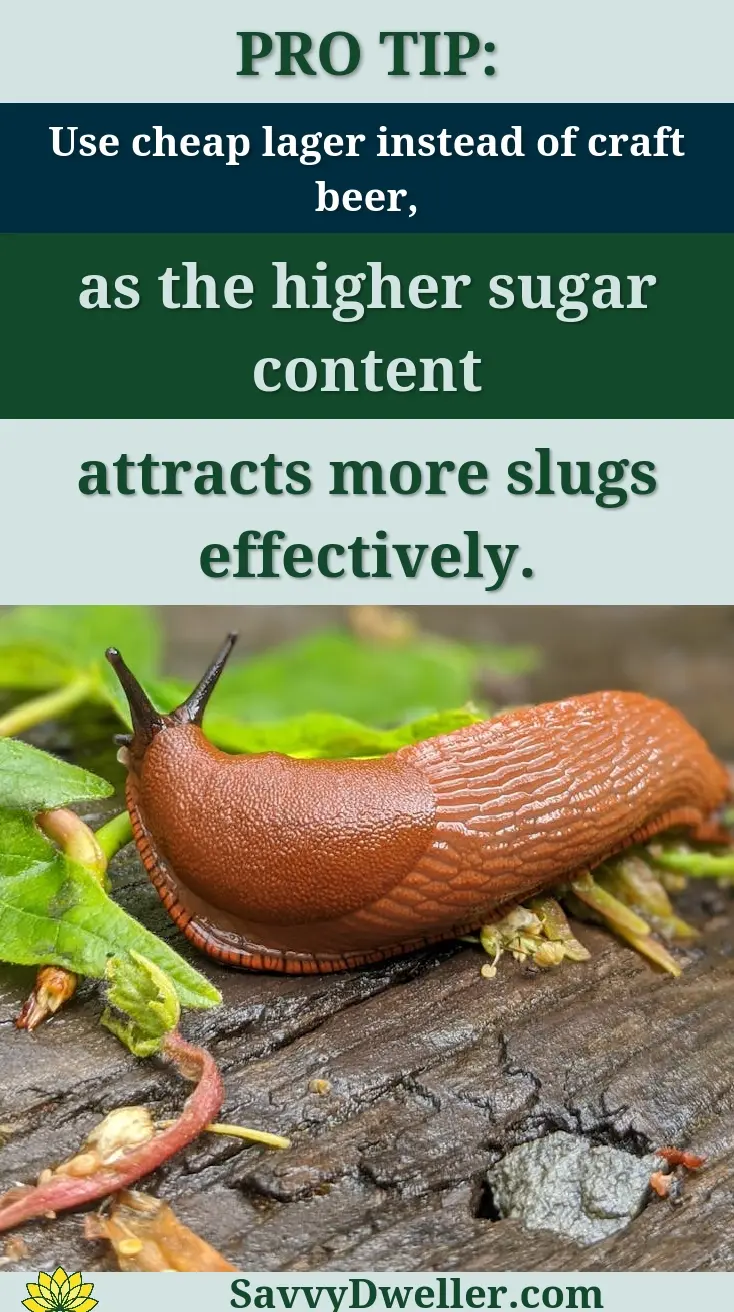
You can use any inexpensive lager or ale, as the yeast and sugars are the key attractants, not the brand or cost. Avoid non-alcoholic beers, as they are less effective; the fermentation process in alcoholic beer releases stronger scents that draw slugs from farther away. For a budget-friendly option, use leftover or flat beer to reduce waste.
Will Using Beer Traps Harm Beneficial Insects or Wildlife?
When used correctly, beer traps primarily target slugs and snails and pose minimal risk to most beneficial insects like bees. To protect ground beetles (which eat slugs), place traps away from beetle habitats like loose mulch. Always use covered or elevated designs to prevent accidental drownings of small animals, and check traps regularly.
What Should I Do if My Beer Traps Are Not Catching Any Slugs?
First, ensure traps are placed near damp, shady areas where slugs are active, like under plant leaves or along garden edges. If catches are low, refresh the beer every 2-3 days to maintain a potent scent, and test a different location. Low success may indicate a small slug population, so monitor plants for damage before adding more traps.
Final Words
Beer traps offer a surprisingly effective and budget-friendly solution to your slug and snail problems. With just a few simple containers and some stale beer, you can dramatically reduce the pest population damaging your precious plants. The key is choosing the right trap style for your garden’s specific needs and maintaining them consistently throughout the growing season.
Remember that success comes from proper placement, regular maintenance, and patience as these traps work their magic over time. Start with one or two basic traps to test their effectiveness in your garden, then expand your system as needed. Most gardeners see noticeable results within the first week of consistent use.
Ready to reclaim your garden from these slimy invaders? Set up your first beer trap tonight and check it tomorrow morning – you might be amazed at what you find. For more practical gardening solutions and home improvement tips that actually work, visit Savvy Dwelling where we share tested strategies that make your life easier.