How to Clean Your Window Blinds Like a Pro (Wood, Faux Wood, and Vinyl)
Staring at dusty, grimy blinds that make your entire room look neglected? You’re not alone in feeling overwhelmed by the seemingly impossible task of getting those slats clean without damaging them or spending your entire weekend scrubbing. Each blind type has its own personality—wood warps with too much water, vinyl attracts static, and faux wood sits somewhere in between.
This guide breaks down the exact cleaning methods for each blind type, giving you simple step-by-step processes that actually work. We’ve tested countless techniques to bring you the most effective approaches that save time while protecting your investment. You’ll walk away knowing exactly which tools to grab and which methods to use for spotless blinds that stay clean longer.
Contents
- At a Glance: The Best Solutions
- 1. Quick Dusting for Daily Maintenance
- 2. Deep Cleaning Wood Blinds
- 3. Deep Cleaning Faux Wood Blinds
- 4. Deep Cleaning Vinyl Blinds
- 5. Tackling Tough Stains and Mildew
- 6. Removing Blinds for Thorough Cleaning
- Common Mistakes to Avoid
- 5 Habits to Keep Your Blinds Cleaner Longer
- Frequently Asked Questions
- Final Words
- Additional Resources for You:
At a Glance: The Best Solutions
Choosing the right cleaning method for your window blinds depends entirely on their material. Each type of blind requires specific care to avoid damage while achieving optimal cleanliness.
Wood blinds demand gentle handling with minimal moisture, while vinyl blinds can withstand more aggressive cleaning methods. Faux wood blinds fall somewhere in between, offering durability with easier maintenance than real wood.
| Blind Type | Best Method | Cleaning Frequency | Key Tip |
|---|---|---|---|
| Wood Blinds | Damp microfiber cloth with wood-safe cleaner | Weekly dusting, deep clean every 3-4 months | Never soak or submerge in water |
| Faux Wood Blinds | Soap and water or bathtub soaking | Weekly dusting, deep clean every 2-3 months | Can handle moisture better than real wood |
| Vinyl Blinds | Full immersion washing or thorough wiping | Bi-weekly dusting, deep clean monthly | Most durable; can use stronger cleaners |
The frequency of deep cleaning window blinds varies based on your home’s dust levels, pets, and proximity to busy roads. Kitchens and bathrooms typically require more frequent attention due to grease buildup and humidity.
Homes with allergies or respiratory sensitivities benefit from more frequent blind cleaning. Pet owners should increase their cleaning schedule, as fur and dander accumulate faster on slat surfaces.
1. Quick Dusting for Daily Maintenance
Regular dusting prevents the buildup that makes deep cleaning necessary. A quick weekly dusting routine keeps your blinds looking fresh and extends their lifespan significantly.
The key is using the right technique for each blind material. Wood requires gentle care to avoid moisture damage, while vinyl can handle more aggressive cleaning.
Essential Tools You’ll Need
Having the right tools makes cleaning window blinds faster and more effective. These supplies work for all blind types:
- Microfiber cloth or blind-specific duster
- Vacuum cleaner with brush attachment
- Soft-bristled brush (old toothbrush works perfectly)
- Dryer sheets (anti-static properties repel dust)
- Clean cotton socks (slip over hands for detailed cleaning)
Step-by-step Dusting Process
The dusting approach varies slightly depending on your blind material. Always close the blinds completely before starting to clean both sides effectively.
For Wood and Faux Wood Blinds
Wood blinds need gentle handling to prevent warping or cracking. Follow this process for cleaning wooden blinds safely: To maintain the beauty of your outdoor spaces, ensuring your patio furniture is clean and well-maintained is equally important. A comprehensive guide on cleaning outdoor patio furniture can help make the process straightforward and effective.
- Close the blinds with slats angled downward
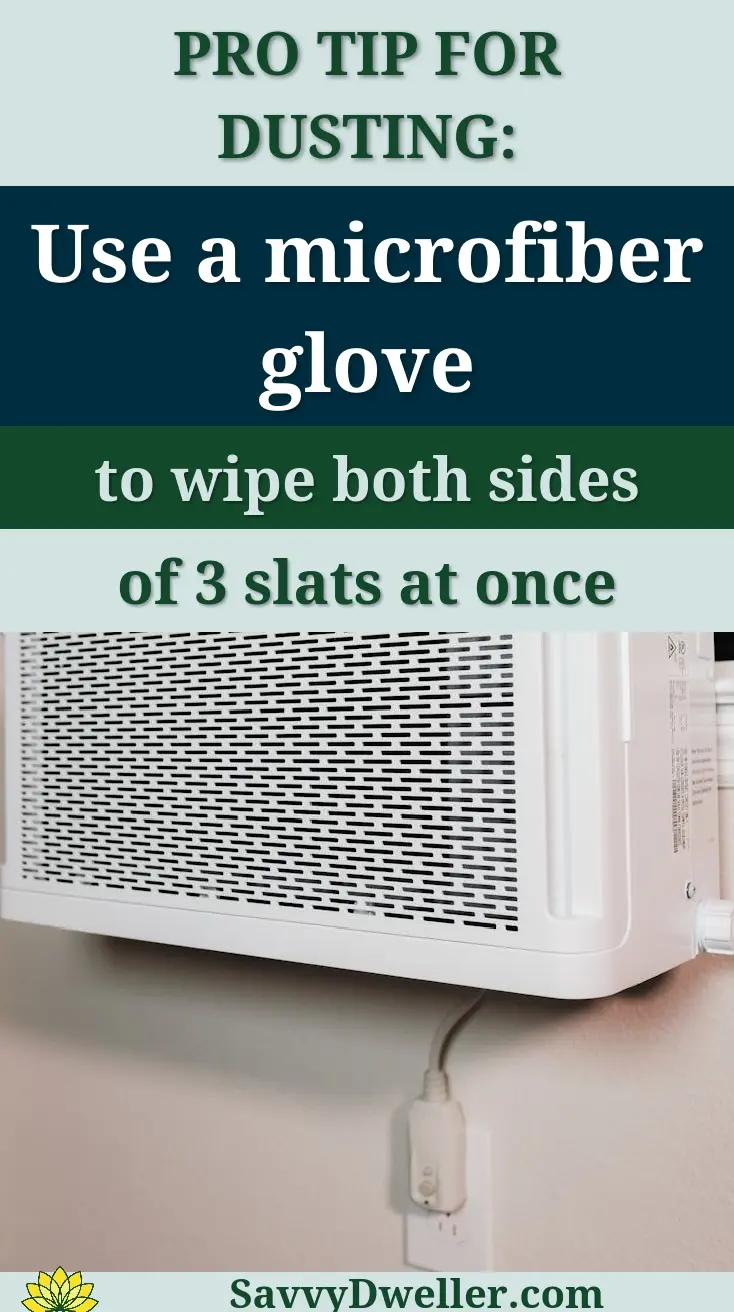
- Start from the top and work downward with a microfiber cloth
- Wipe each slat from end to end in long, smooth strokes
- Flip the blinds to angle slats upward
- Repeat the wiping process on the opposite side
- Use a soft brush for textured wood grain areas
For Vinyl Blinds
Vinyl blinds are more durable and can handle slightly more pressure. This makes cleaning vinyl blinds quicker than wood varieties:
- Close blinds with slats tilted down
- Use a dryer sheet to wipe each slat (prevents static buildup)
- Apply gentle downward pressure to remove stubborn dust
- Flip blinds and repeat on the other side
- Vacuum with brush attachment for deep crevices
Pro Tips to Make Dusting More Effective
These techniques make your dusting routine more efficient and longer-lasting. Using dryer sheets on any blind type creates an anti-static barrier that repels dust for weeks. Similarly, using natural methods to get rid of static cling in the dryer can greatly improve your laundry routine. Options like vinegar or wool dryer balls can effectively reduce static and keep your clothes fresh without harsh chemicals.
Work in sections rather than attempting entire blinds at once. This prevents fatigue and ensures thorough cleaning of each slat.
Dust on calm days when windows are closed. Air circulation kicks up particles that immediately resettle on freshly cleaned surfaces.
2. Deep Cleaning Wood Blinds
Wood blinds require special care because excessive moisture can cause warping, cracking, or finish damage. The key to cleaning wood blinds successfully is using minimal water and working quickly.
What Makes Wood Blinds Different
Real wood blinds have protective finishes that water can penetrate if left too long. Unlike synthetic materials, wood expands and contracts with moisture changes.
Most wooden venetian blinds have either painted, stained, or natural finishes. Each requires slightly different cleaning approaches to avoid damage.
Materials and Cleaning Solutions
The right cleaning solution makes all the difference when learning how to wash wood blinds safely. Harsh chemicals can strip finishes or discolor natural wood. When it comes to outdoor wood furniture and decks, the approach to cleaning mold can also impact the material’s integrity. Finding the best way to clean mold from wood furniture and decks can help preserve their beauty and longevity.
DIY Wood-Safe Cleaning Solution
This gentle formula works perfectly for cleaning wooden blinds without risking damage:
- 1 cup warm water
- 1 tablespoon white vinegar
- 1 drop mild dish soap
- Mix in spray bottle for easy application
Commercial Products That Work
These products are specifically formulated for cleaning wood venetian blinds safely:
- Murphy’s Oil Soap (diluted according to package directions)
- Pledge Multi-Surface cleaner
- Method Wood for Good cleaner
- Any pH-neutral wood cleaner
The Complete Wood Blind Cleaning Process
Follow this method for how to clean wooden blinds thoroughly without causing damage. Work quickly to prevent moisture from soaking into the wood:
- Dust blinds completely using the methods above
- Test cleaning solution on a hidden slat first
- Lightly spray one section at a time (never soak)
- Wipe immediately with a barely damp microfiber cloth
- Follow with a dry cloth to remove all moisture
- Move to the next section and repeat
- Clean both sides using the same technique
Drying and Conditioning Wood Blinds
Proper drying prevents warping and maintains the wood’s natural beauty. Never allow wood blinds to air dry completely closed, as trapped moisture can cause permanent damage.
Open blinds fully after cleaning to allow air circulation. Point a fan toward the blinds if humidity levels are high.
Apply a wood conditioner monthly to maintain the finish and prevent drying. Use products specifically designed for the type of wood finish on your blinds.
Also See: The Definitive Guide to Removing Tough Grease and Oil Stains From Clothes
3. Deep Cleaning Faux Wood Blinds
Why Faux Wood is Easier to Clean
Faux wood blinds resist moisture damage, making them much more forgiving during the cleaning process. Unlike real wood, faux wood blinds can handle more water and stronger cleaning solutions without warping or finish damage.
Most faux wooden blinds are made from PVC or composite materials with durable finishes. This construction allows for more aggressive cleaning when needed.
Supplies and Preparation
Gather these materials before starting your faux wood blind cleaning project:
- All-purpose cleaner or dish soap solution
- Microfiber cloths (several for different stages)
- Soft-bristled brush
- Vacuum with brush attachment
- Clean towels for drying
- Bucket of clean rinse water
Method 1: In-place Deep Cleaning
This approach works well for how to clean faux wood blinds when removal isn’t practical. It’s perfect for regular maintenance cleaning:
- Vacuum blinds thoroughly with brush attachment
- Mix cleaning solution (2 tablespoons dish soap per quart of water)
- Dampen microfiber cloth with solution (don’t oversaturate)
- Clean each slat individually, supporting it from underneath
- Rinse with a separate damp cloth using clean water
- Dry immediately with a clean towel
- Repeat process on the opposite side
Method 2: Bathtub Deep Cleaning
The bathtub method provides the most thorough cleaning for heavily soiled faux wood blinds. This technique allows you to clean multiple slats simultaneously and tackle stubborn buildup effectively.
When to Use the Bathtub Method
Consider bathtub cleaning when your blinds have:
- Heavy grease buildup from kitchen locations
- Nicotine stains from smoking
- Pet hair and dander accumulation
- Years of neglected maintenance cleaning
Step-by-Step Bathtub Process
This comprehensive method for how to wash faux wood blinds requires removing them from windows first:
- Remove blinds carefully from mounting brackets
- Fill bathtub with warm water and mild detergent
- Submerge blinds completely for 10-15 minutes
- Use soft brush to gently scrub each slat
- Drain soapy water and rinse thoroughly with clean water
- Shake excess water from blinds
- Hang outdoors or in well-ventilated area to dry completely
- Reinstall once completely dry (usually 2-4 hours)
4. Deep Cleaning Vinyl Blinds
Understanding Vinyl Blind Construction
Vinyl blinds are made from PVC slats attached to ladder strings and a tilt/raise mechanism inside a metal or PVC headrail. Many have a thin UV-resistant coating that can scratch with harsh scrubbers.
Vinyl handles water well, but heat and harsh chemicals can warp slats or dull the finish. Older PVC can feel brittle, so go gentle with pressure and keep water warm, not hot.
Cleaning Supplies for Vinyl
- Microfiber cloths and a soft-bristle brush (or old soft toothbrush)
- Mild dish soap (pH-neutral is best) and warm water
- White vinegar (for grease and mineral film)
- Spray bottle and a bucket
- Melamine foam sponge (test first; use only on stubborn marks)
- 70% isopropyl alcohol (for ink/marker; spot use only)
- 3% hydrogen peroxide (for organic stains and light mildew on white vinyl)
- Dry towels and a handheld shower or hose for rinsing
- Nitrile gloves if you have sensitive skin
The Vinyl Blind Washing Process
Use spot cleaning for light soil and full immersion for sticky, smoky, or greasy buildup. Close the slats and support the ladder cords so you don’t strain or crease the PVC.
Spot Cleaning Method
- Close slats facing down. Dust quickly to remove loose grit.
- Mix warm water with a few drops of dish soap (about 1 tsp per quart). Lightly mist or dip a microfiber cloth.
- Wipe slats from center to edge to avoid tugging the ladders. Flip slats and repeat on the back side.
- For greasy film, wipe with a 1:3 white vinegar to water solution, then follow with a plain damp cloth.
- Target marks: use a barely damp melamine sponge with feather-light strokes; stop if sheen changes. For ink, dab a cotton swab with isopropyl alcohol, then rinse.
- Dry with a towel, then open slats fully to air-dry. Keep them straight so they don’t kink.
Full Immersion Method
- Take the blinds down (see Removing Blinds section). Lay them in a clean tub.
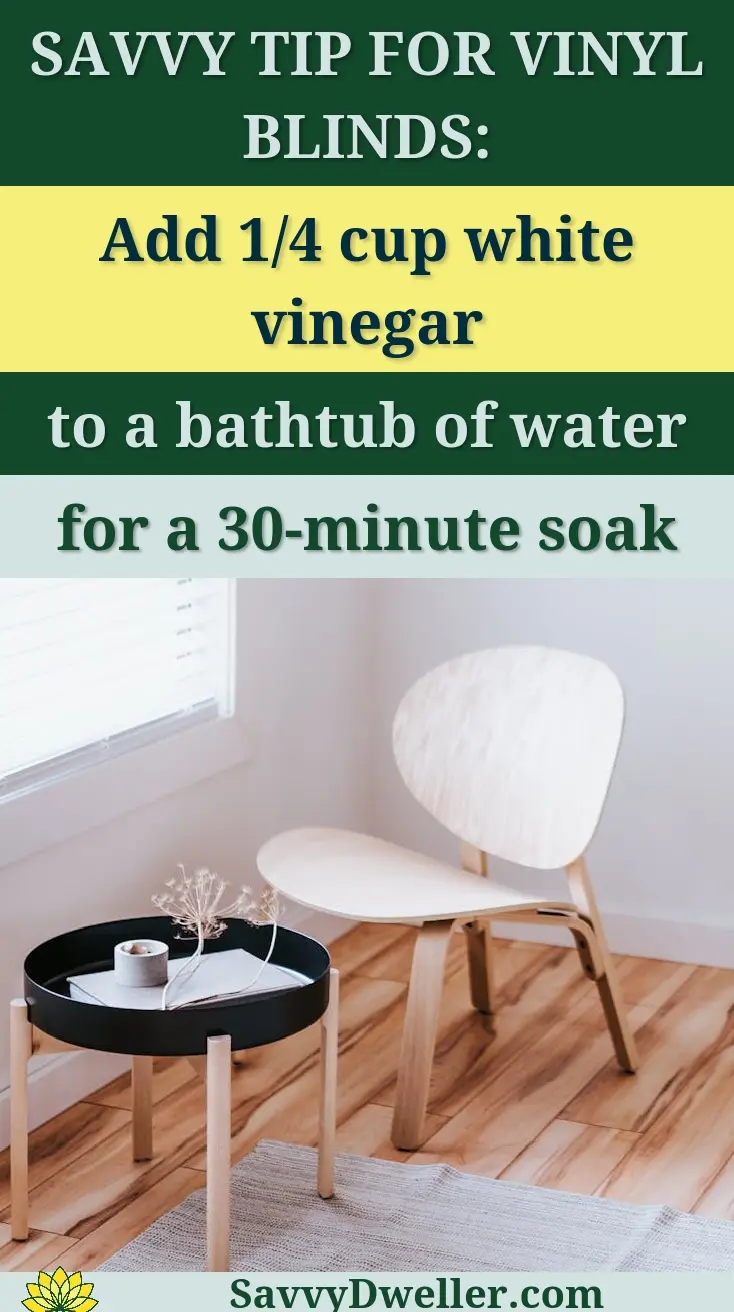
- Fill with warm water (85–95°F). Add 1 tsp mild dish soap per gallon. For white vinyl only, add 1/2 cup white vinegar to the tub.
- Soak 10–15 minutes. Gently agitate water or brush along each slat, following the grain if textured.
- Rinse with a handheld shower until water runs clear. A thorough rinse keeps residue from attracting dust later.
- Shake off water, towel-blot, then hang the blinds fully extended with slats open to dry. Avoid hot sun or heaters to prevent warping.
Dealing With Stubborn Stains on Vinyl
- Nicotine/tar film: Wipe with 1:1 vinegar and water; repeat passes beat hard scrubbing. Finish with a damp cloth to remove odor.
- Kitchen grease: Use warm soapy water first, then a second pass with vinegar mix. A drop of degreasing dish soap speeds this up.
- Hard water spots: Spray vinegar, wait 5 minutes, then wipe; follow with a plain water rinse.
- Ink/marker transfer: Touch with isopropyl alcohol on a cotton swab; rinse right away. Test in a low spot first.
- Scuffs: Very gently use melamine foam with minimal pressure. Over-rubbing can dull PVC.
- Organic stains on white vinyl: Dab 3% hydrogen peroxide, wait 3–5 minutes, rinse. Do not use chlorine bleach on colored blinds.
5. Tackling Tough Stains and Mildew
Identifying Different Types Of Stains
| Stain | What it Looks Like | Best First Step | Works On |
|---|---|---|---|
| Grease/oil | Shiny, sticky film; dust sticks to it | Warm soapy wipe, then vinegar | Vinyl, faux wood |
| Nicotine/tar | Yellow-brown cast, odor | Vinegar solution, multiple passes | Vinyl, faux wood |
| Hard water/mineral | White spots or hazy streaks | Vinegar dwell, then rinse | Vinyl, faux wood |
| Ink/dye transfer | Sharp lines, smears from fabrics | Isopropyl alcohol swab | Vinyl, faux wood (test first) |
| Mildew | Dark specks or musty film | Vinegar or peroxide wipe, quick dry | Wood (careful), faux wood, vinyl |
Match the stain to the gentlest method that works so you protect the finish and keep slats looking even.
Natural Stain Removal Solutions
These pantry methods help with cleaning window blinds without harsh fumes. They pair well with your routine for cleaning wood blinds, cleaning faux wood blinds, and cleaning vinyl blinds.
Baking Soda Paste Method
- Mix 1 tablespoon baking soda with 1–2 teaspoons water to form a soft paste.
- With a microfiber cloth, dot the paste on the stain. Let sit 3–5 minutes.
- Wipe gently in small circles. Avoid rubbing wood grain on cleaning wooden blinds with slats.
- Rinse: for vinyl/faux wood, wipe with a damp cloth; for wood, use a barely damp cloth and dry immediately.
- Repeat only if needed. Overuse can dull shiny vinyl or strip wood’s sheen.
White Vinegar Solution
- Combine 1 part white vinegar with 3 parts warm water in a spray bottle.
- Lightly mist a cloth (not the blind) and wipe the stain. For how to clean pvc blinds, let it dwell 3 minutes on mineral film.
- Follow with a clean damp cloth to remove vinegar scent and residue.
- Dry: open slats to air-dry; for wood, hand-dry and condition later as needed.
Mildew Removal Techniques
Mildew needs moisture and still air. The fix is gentle cleaning plus fast drying and better airflow.
For Wood Blinds
- Vacuum with a soft brush to lift spores without grinding them in.
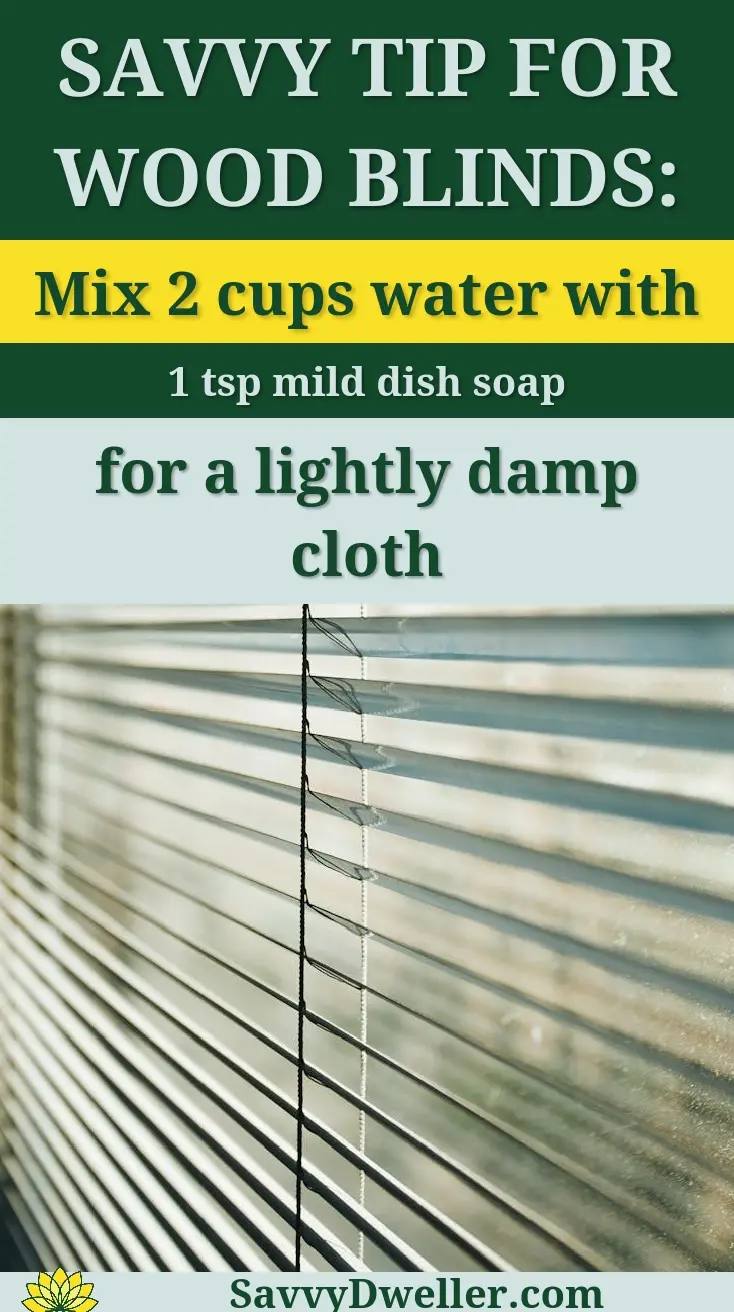
- Mix 1 teaspoon dish soap in 1 quart water; add 1 tablespoon vinegar. Dampen a cloth-just barely-and wipe affected slats with the grain.
- Immediately dry each slat with a towel. Keep slats open and run a fan for 30–60 minutes.
- If shadows remain, dab a cloth with 3% hydrogen peroxide, blot the spot, and dry. Test first on an inconspicuous area.
- Condition finished wood afterward to support the seal. This helps when planning how to clean wooden blinds next time with less moisture.
For Faux Wood and Vinyl
- Wipe loose growth with a damp cloth. Wear gloves if you’re sensitive.
- Spray or wipe with 1:1 vinegar and water. Let sit 5 minutes for vinyl; 3 minutes for faux wood.
- Agitate creases and cord routes with a soft brush. Rinse with a damp cloth or quick shower rinse.
- For stubborn specks on white vinyl, dab 3% hydrogen peroxide for 3–5 minutes, then rinse. Avoid chlorine bleach on colored blinds.
- Dry fully with slats open. Improve ventilation to reduce recurrence.
6. Removing Blinds for Thorough Cleaning
When to Take Blinds Down
- Sticky buildup from cooking, smoke, or hairspray that won’t wipe clean in place
- Mildew that hides in cord holes or stack areas
- Post-renovation dust or heavy pollen
- Annual deep clean, or if regular dusting isn’t cutting it
If slats feel tacky after routine wipes, it’s time for a wash-especially for wash vinyl blinds and how to clean faux wood blinds in a tub.
Safe Removal Process
- Open slats and lower the blind fully. Take a quick photo of how the valance and cords are arranged.
- Support the headrail with one hand while you release brackets with the other.
- Lift the headrail straight out, keeping ladders and cords untangled. Set it on a towel.
- Remove the valance gently; store clips in a labeled bag.
Standard Bracket Systems
- Locate the front-hinged doors or spring tabs on the headrail brackets.
- Pop the door open with your thumb or a flat plastic card. For spring tabs, press the tab while tilting the headrail downward.
- Slide the headrail out toward you. For wide blinds with a center support, lift the middle first to clear the lip.
- Unhook the tilt wand if needed by lifting off the hook; don’t twist hard.
Specialty Mounting Systems
- Low-profile inside-mount tabs: insert a flat plastic card between headrail and bracket to release the catch, then pull forward.
- Cordless or geared headrails: keep the rail level to avoid stressing the tilt mechanism.
- Hidden clip valances: slide sideways to release, never pry straight out to avoid cracking.
Outdoor Cleaning Setup
- Choose shade to avoid rapid drying and spotting. Lay a tarp on flat ground and set two foam blocks or 2x4s as risers.
- Use a garden sprayer or low-pressure hose, a bucket with warm soapy water, and soft brushes.
- Wash one side, flip carefully by the headrail, then rinse. Keep slats supported so they don’t bend.
- Stand the blind up to drip, then towel-blot and hang from a sturdy clothesline or shower rod with slats open.
Keeping the blind elevated lets dirty water drain off without re-soiling the slats.
Proper Reinstallation Tips
- Check that brackets are tight and square. Tighten loose screws into anchors if needed.
- Set the headrail into the back of the brackets first, then snap the fronts closed until you hear a click.
- Reattach the valance and tilt wand. Make sure ladders aren’t twisted.
- Test tilt and raise/lower a few times. If slats don’t sit level, adjust the headrail position or center support.
- For corded blinds, add a cord cleat for safety. This also keeps cords clean when planning how to clean window blinds regularly.
These steps pair neatly with how to clean wood blinds, how to clean vinyl blinds, and how to wash wood blinds or how to wash faux wood blinds without damaging finishes.
Common Mistakes to Avoid
Using Too Much Water on Wood Blinds
Excess moisture makes real wood swell, warp, and spot. It also lifts finish and leaves cloudy marks. When cleaning wood blinds or cleaning wooden venetian blinds, think “barely damp,” not wet. Water stains can be particularly damaging to wood furniture, so it’s important to take care when wiping down surfaces. Knowing how to effectively remove water stains can help maintain the beauty and longevity of your furniture.
- Wring microfiber until it’s almost dry before you start cleaning wood blinds.
- Lightly mist the cloth (never the slats) with a wood-safe cleaner.
- Wipe with the grain, then immediately follow with a dry cloth to remove leftover moisture.
- If you over-wet by accident, blot fast and run a fan to speed drying.
- Safe tools: microfiber cloths, wood-safe spray, soft brush attachment.
- Avoid: soaking, full immersion, steamy bathrooms on wood blinds.
When you ask how to wash wood blinds, the answer is: you don’t-spot-clean and dry fast.
Harsh Chemical Damage
Bleach, ammonia, and strong solvents etch finishes, fade color, and make PVC and vinyl brittle. They also strip the UV coating on cleaning faux wood blinds and cleaning vinyl blinds. Proper care is essential to maintain the appearance and longevity of these materials. For example, knowing how to clean vinyl linoleum floors effectively can prevent damage and ensure they stay looking new.
- Skip products with bleach, ammonia, acetone, or abrasive grit.
- Use mild dish soap and water (faux wood, vinyl) or a wood-safe cleaner (real wood).
- Spot-test on the back of a slat before full use.
- Rinse faux wood and vinyl with a damp cloth to remove residue; dry right away.
- Good options: 1–2 drops dish soap in a quart of warm water; 1:10 white vinegar for greasy vinyl.
- Bad options: glass cleaner with ammonia, degreasers, magic erasers on wood.
Gentle cleaners extend the life of slats, cords, and headrails.
Improper Drying Techniques
Trapped moisture causes spots, sagging, and mildew-especially on stacked slats. High heat can warp vinyl and fake wood cores.
- After cleaning window blinds, tilt slats open and space them to let air flow through.
- Blot bottom rails and cord ladders so water doesn’t wick back into slats.
- Use a fan on low or open a window; avoid hair dryers on hot.
- For washed faux wood or vinyl, hang fully supported (not by one end) until dry.
Dry fast and evenly to prevent water marks and bends.
Cleaning in Direct Sunlight
Sun bakes cleaner into streaks and can bleach finishes while you work. On vinyl and PVC, heat speeds chemical reactions and leaves cloudy patches.
- Clean early morning, evening, or in shaded rooms.
- Close curtains or tilt slats away from direct rays before you start.
- Work in small sections and wipe dry immediately.
Shade equals fewer streaks and better control.
Neglecting Regular Maintenance
Dust mixed with humidity turns into sticky grime that’s harder to remove. Skipping quick care makes deep cleaning slower and riskier.
- Dust weekly to avoid buildup on cleaning wood blinds with slats and cleaning vinyl blinds.
- Log a 10-minute circuit: top floor to bottom, left to right.
- Address splatters the day they happen to avoid set-in stains.
Five minutes now saves an hour later.
5 Habits to Keep Your Blinds Cleaner Longer
Weekly Dusting Schedule
Consistent light care beats occasional hard scrubbing. This habit supports how to clean window blinds without harsh chemicals. For a similar streak-free shine, regularly washing windows with the right techniques makes a significant difference. A proper window cleaning routine ensures that your glass remains clear and spotless, enhancing the overall brightness of your space.
- Tools: microfiber glove, soft brush vacuum, compressed air for tight headrails.
- Optional: anti-static spray for faux wood and vinyl (avoid on real wood).
- Tilt slats down; dust across. Tilt slats up; repeat. Finish edges and cords.
- Vacuum the sill and frame so dust won’t blow back onto slats.
- Note problem zones (kitchen grease, bathroom steam) for extra passes.
For cleaning wooden blinds with slats, use only dry or barely damp cloths.
Proper Room Ventilation
Cleaner air means cleaner blinds. Less moisture and grease = less sticky dust on cleaning wooden blinds, faux wood, and vinyl.
- Run kitchen and bath exhaust fans during use and 20 minutes after.
- Aim indoor humidity at 40–50% with a dehumidifier where needed.
- Use a MERV 8–11 HVAC filter and replace on schedule.
- In cooking zones, crack a window or use the range hood to cut oily film on slats.
Strategic Blind Positioning
Small tilt changes reduce dust settling and sun damage. This applies whether you’re cleaning wood venetian blinds or cleaning pvc blinds.
- Keep slats slightly angled, not fully flat; dust slides off instead of settling.
- Rotate tilt daily to even out UV exposure and reduce warping on faux wood.
- During high heat, tilt away from direct sun to slow yellowing on vinyl and faux wood.
- Raise blinds during messy tasks (frying, sanding) to avoid extra cleaning.
Seasonal Deep Cleaning
Plan a quarterly reset so grime never wins. Choose methods that match the material-how to clean wood blinds is not how to wash faux wood blinds or wash vinyl blinds.
- Wood: wood-safe cleaner, dry cloths, fan for quick drying.
- Faux wood/vinyl: mild soap solution, large tub or outdoor rinse, soft brush.
- Check labels or brand guidance for material-specific limits.
- Spot-test your solution on the back of one slat.
- Clean in sections; keep wood nearly dry, and rinse faux/vinyl lightly.
- Dry slats fully before re-leveling or stacking.
If you ask how do you clean faux wood blinds fast-batch them by room and set a timer.
Immediate Spot Treatment
Fresh spills lift; old stains stick. Quick action makes how to clean faux wooden blinds and how to clean vinyl blinds simple.
- Keep a “blind kit”: microfiber, cotton swabs, small spray bottle, wood-safe cleaner, mild soap.
- Blot, don’t rub. Lift off grease or splatter with a dry cloth first.
- Wood: apply a drop of wood-safe cleaner to the cloth and wipe with the grain; dry at once.
- Faux wood/vinyl: use a mild soap mix (2–3 drops in warm water). For grease, a 1:10 vinegar solution works on vinyl and faux.
- Rinse faux/vinyl with a damp cloth and dry to prevent water spots.
For how do u clean faux wood blinds after a kitchen splatter-treat the spot the same day and you’ll avoid a deep clean later.
Frequently Asked Questions
How Can I Clean My Blinds Safely if I Have Pets or Small Children?
To ensure safety, avoid harsh chemicals and opt for pet- and child-friendly cleaning solutions. For daily dusting, use a microfiber cloth or a vacuum with a brush attachment to remove allergens without residues. For deeper cleaning, stick to mild, natural solutions like diluted dish soap or a vinegar-water mix (1:1 ratio), and always rinse thoroughly to prevent any residue that could be harmful if touched or ingested. As a pet owner, taking extra care while cleaning hardwood floors is essential, since pets can be sensitive to strong chemicals. Following guidelines for safe cleaning will help maintain a healthy environment for both pets and family.
Additionally, clean blinds when children and pets are not in the room, and allow them to dry completely before reopening the area. This minimizes exposure to moisture or cleaning agents, reducing risks of accidents or irritation.
What is the Best Way to Handle Blinds Exposed to Smoke or Cooking Grease?
For smoke or grease buildup, start with a degreasing agent like diluted dish soap or isopropyl alcohol. Apply a small amount to a cloth and wipe each slat, focusing on greasy areas. Avoid oversaturating the blinds, especially wood types, to prevent warping. For faux wood or vinyl, you can use a slightly stronger solution, but test on a hidden area first.
If residues persist, consider a thorough wash in the bathtub for vinyl or faux wood blinds, using warm water and a degreasing dish soap. For wood blinds, stick to spot cleaning and avoid immersion. Always dry blinds completely with a soft cloth and air drying to prevent mildew or damage.
Can I Use a Steam Cleaner on My Window Blinds?
Steam cleaners can be effective for sanitizing, but use them with caution and only on vinyl or faux wood blinds, as the heat and moisture can warp wood blinds. Hold the steamer at least 6 inches away from the slats and move quickly to avoid excess moisture buildup. Always follow up with a dry cloth to wipe away condensation.
However, avoid steam cleaning on blinds with fabric tapes or cords, as the heat can weaken these components. For most homes, traditional cleaning methods are safer and equally effective, so reserve steam cleaning for occasional deep sanitizing when necessary.
Final Words
Maintaining clean blinds isn’t just about appearance-it transforms your entire living space and improves indoor air quality. With the right techniques for your specific blind material, you can extend their lifespan significantly while keeping your home looking fresh and inviting.
The methods we’ve covered work because they respect each material’s unique properties while delivering real results. Whether you’re dealing with stubborn kitchen grease on vinyl blinds or preserving the natural beauty of wood slats, these proven approaches will save you time and frustration.
Start with a simple dusting session this weekend, then gradually incorporate the deeper cleaning methods as needed. For more practical home maintenance tips and cleaning solutions that actually work, check out Savvy Dwelling where we share research-backed advice to help you create a healthier, more comfortable home.