A Pet Owner’s Guide to Cleaning Hardwood Floors Safely: Protect Your Floors and Your Furry Friends
Watching your beautiful hardwood floors collect pet hair faster than you can sweep, or discovering another mysterious stain near your pet’s favorite sunny spot? You’re not alone in feeling frustrated when your beloved furry companions seem to work against your efforts to maintain pristine floors. The struggle between loving your pets and preserving your home’s most elegant feature creates daily stress for countless pet owners.
This comprehensive guide provides you with proven, pet-safe methods that protect both your hardwood investment and your animal companions’ health. We’ve researched and tested every technique to bring you practical solutions that actually work in real homes with real pets. You’ll learn simple daily routines, emergency cleanup protocols, and preventive strategies that keep your floors gorgeous without compromising your pets’ safety.
Contents
- Quick Solutions Table
- The Science Made Simple: Why Pet Accidents and Hair Are So Challenging for Hardwood Floors
- 1. The Daily Sweep and Vacuum Method
- 2. The Pet-safe Weekly Deep Clean System
- 3. The Emergency Pet Accident Protocol
- 4. The DIY Pet-safe Cleaning Solution Recipe
- 5. The Strategic Pet Hair Management Approach
- 6. The Protective Floor Care System
- Common Mistakes to Avoid When Cleaning Hardwood Floors With Pets
- Frequently Asked Questions
- Final Words
Quick Solutions Table
When you’re juggling pet messes and protecting your hardwood, time is of the essence. This table gives you fast, safe actions for the most common pet-related floor challenges-so you can clean smarter, not harder.
| Situation | Immediate Action | Pet-Safe Product or Tool | What to Avoid |
|---|---|---|---|
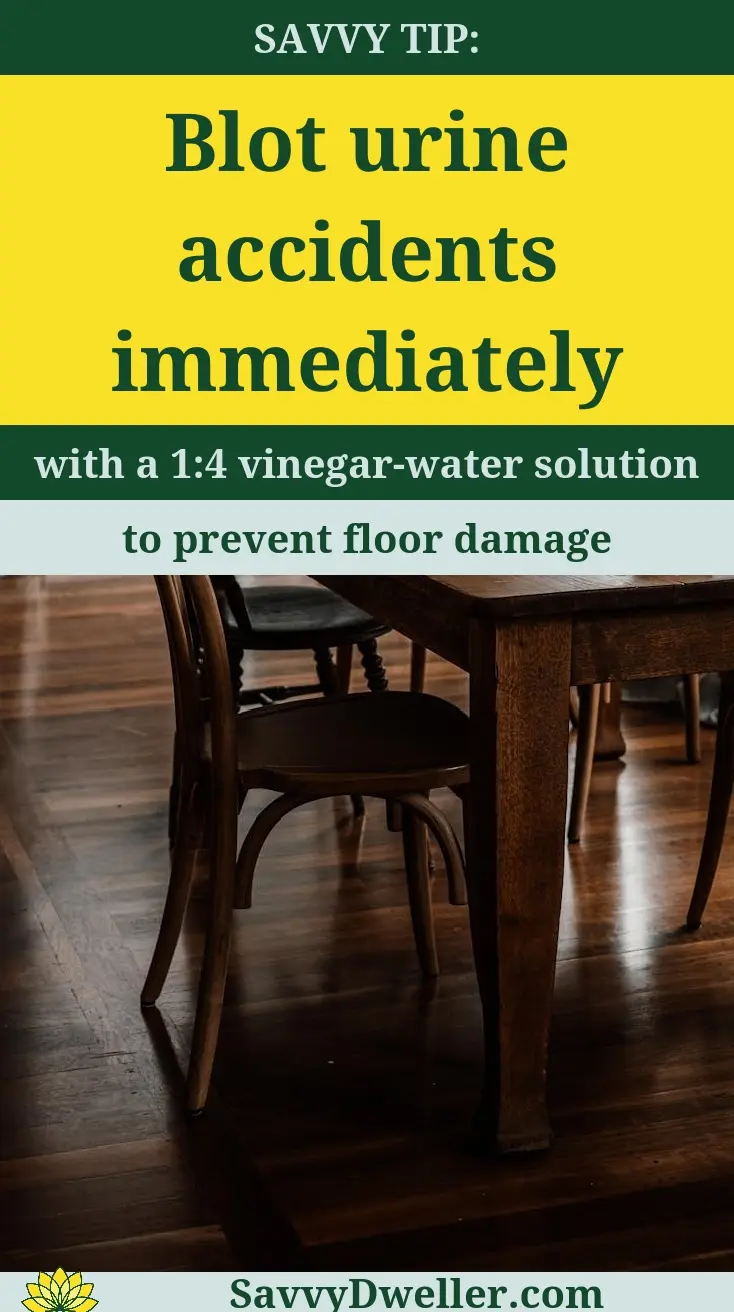
| Urine accident | Blot (don’t wipe!) with paper towels, then rinse with damp cloth | Enzyme-based cleaner or DIY vinegar-water mix (1:4 ratio) | Ammonia, bleach, or undiluted vinegar |
| Vomit or solid waste | Scoop solids first, then disinfect area with pet-safe cleaner | Microfiber cloth + mild dish soap solution | Scrubbing aggressively or using steam mops |
| Visible pet hair | Dry sweep or vacuum before mopping | Rubber gloves (damp or dry) or microfiber dust mop | Feather dusters or brooms with stiff bristles |
| Odor lingering after cleaning | Sprinkle baking soda, wait 15 minutes, then vacuum | Baking soda + essential oils (only if safe for your pet species) | Air fresheners or scented sprays near pets |
| Wet paw prints | Wipe immediately with dry microfiber cloth | Entryway mats + weekly paw-wiping routine | Letting moisture sit or using a wet mop right after |
For a pet owner’s guide to cleaning hardwood floors safely, speed and specificity matter-this table cuts through the guesswork. Whether you’re cleaning hardwood floors with a dog after a muddy walk or tackling a cat’s surprise accident, having clear, vetted responses keeps your floors intact and your pets out of harm’s way.
The Science Made Simple: Why Pet Accidents and Hair Are So Challenging for Hardwood Floors
Pet hair, dander, and accidents create a unique threat to hardwood floors because wood is porous and sensitive to moisture and acidity. Urine, for example, contains ammonia and uric acid that can seep into wood grain, discoloring the surface and breaking down protective finishes over time. Pet hair isn’t just unsightly—it traps dirt, oils, and allergens that act like fine sandpaper, gradually dulling your floor’s finish with every footstep. Cleaning up pet accidents is crucial not only for your hardwood floors but also for preserving your carpets. Finding effective methods to get dog pee smell out of rug carpet will help maintain a fresh and clean environment in your home.
Even small amounts of lingering moisture from vomit or tracked-in messes can warp wood planks or promote mold growth beneath the surface. Unlike tile or vinyl, hardwood can’t be flooded with water or harsh cleaners without risking long-term damage. That’s why a pet owner’s guide to cleaning hardwood floors safely must balance thoroughness with gentleness.
1. The Daily Sweep and Vacuum Method
Why Daily Maintenance Matters for Pet Owners
For those cleaning hardwood floors with pets, skipping a day can mean a buildup of hair, tracked-in litter, or unnoticed moisture from paws. Daily removal stops debris from grinding into the finish and prevents accidents from lingering long enough to cause stains or odors.
Consistent dry cleaning is the first line of defense in any hardwood floor cleaning guide for pet owners.
Best Tools for Pet Hair Removal
Microfiber Dust Mops vs. Traditional Brooms
Traditional brooms often scatter lightweight pet hair and miss fine particles. In contrast, microfiber dust mops use static cling and ultrafine fibers to trap hair, dander, and dust in one pass.
- Microfiber dust mops: Reusable, highly effective on smooth surfaces, and gentle on finishes.
- Traditional brooms: Better for large debris but ineffective for fine pet hair on hardwood.
Vacuum Settings for Hardwood Floors
Not all vacuums are safe for hardwood. Use a model with a hard floor setting that turns off the beater bar-spinning brushes can scratch or dull the finish over time.
- Look for vacuums labeled “hard floor safe” or with a “bare floor” mode.
- Use soft-bristle attachments for edges and baseboards.
- Avoid upright vacuums with fixed rotating brushes unless they can be disengaged.
Step-by-step Daily Cleaning Process
- Start by using a microfiber dust mop to sweep high-traffic areas (entryways, under pet beds, near food bowls).
- Follow with a hardwood-safe vacuum on “bare floor” mode to capture any remaining hair in corners and along baseboards.
- Check under furniture and rugs where pets rest-hair accumulates quickly in these zones.
- Dispose of collected hair immediately to prevent it from blowing back onto floors.
Also See: What Do Those Laundry Symbols Actually Mean? A Printable Chart
2. The Pet-safe Weekly Deep Clean System
Choosing the Right Pet-safe Floor Cleaner
When cleaning wood floors with a pet, your cleaner must be non-toxic, pH-neutral, and free of residues that attract dirt or harm paws. Harsh chemicals can strip finishes and expose wood to damage.
What Ingredients to Avoid
Steer clear of cleaners containing these harmful ingredients, especially if you’re cleaning hardwood floors with dogs or cats who walk bare-pawed:
- Ammonia – irritates eyes and respiratory systems.
- Bleach – strips wood finish and toxic if ingested.
- Phenols (found in some disinfectants) – highly toxic to cats.
- Artificial fragrances – can trigger allergies in pets and humans.
Natural vs. Commercial Pet-Safe Options
Both can work well, but check labels carefully. Natural options like diluted vinegar may seem safe but are acidic and can degrade wood finishes over time. Instead, choose:
- Commercial pet-safe cleaners: Look for certifications like “Veterinarian Approved” or “EPA Safer Choice.”
- Natural alternatives: Use pH-neutral castile soap or plant-based cleaners specifically formulated for sealed hardwood.
The Proper Mopping Technique
Wring your mop until it’s almost dry-hardwood should never look wet after mopping. Excess moisture is the enemy of wood, especially when you’re cleaning hardwood floors with animals who may lie down on damp spots.
Microfiber Mop Method
- Fill a bucket with warm water and the recommended amount of pet-safe cleaner.
- Dip a clean microfiber mop pad, then wring it thoroughly until no drips occur.
- Mop in the direction of the wood grain using light pressure.
- Rinse and wring the pad frequently to avoid spreading dirt.
- Replace or wash the pad after use to prevent odor buildup.
Spray Mop Considerations
Spray mops can be convenient but risky if they dispense too much liquid. Choose models with adjustable spray settings and use just 1–2 quick sprays per 3-foot section.
- Never saturate the floor-mist only what you can immediately wipe dry.
- Use refillable tanks with your own pet-safe cleaner instead of pre-filled cartridges (which may contain hidden toxins).
Drying and Ventilation Best Practices
After mopping, open windows or use fans to encourage airflow. This reduces drying time and prevents moisture from lingering in seams or under rugs.
Within 10–15 minutes, your floor should be completely dry to the touch-critical when cleaning hardwood floors with a cat or dog who likes to nap on cool surfaces.
3. The Emergency Pet Accident Protocol
Immediate Response for Urine Accidents
When your dog or cat has a urinary accident on your hardwood, every second counts. Urine soaks quickly into wood grain and can warp or discolor your flooring if not addressed immediately.
Blotting vs. Wiping Technique
Never wipe or scrub a fresh urine spot-that just spreads it and drives it deeper. Instead, use a clean, absorbent microfiber cloth or paper towels and press straight down to soak up as much liquid as possible, especially when dealing with persistent bathroom odors.
- Place a dry microfiber cloth directly on the wet spot.
- Apply firm, steady pressure for 20–30 seconds without sliding the cloth.
- Lift and repeat with a fresh section of cloth until no more moisture transfers.
Blotting-not wiping-is the cornerstone of safe hardwood floor cleaning with pets.
Neutralizing Odors Safely
After blotting, use an enzyme-based cleaner specifically labeled safe for hardwood and pets. These break down urine proteins at the source, stopping odors and discouraging repeat marking.
- Avoid vinegar or ammonia-they mimic urine scent to pets and may encourage re-soiling.
- Never use bleach or hydrogen peroxide; they can damage wood finishes and harm your furry friend.
For a quick interim step before applying enzyme cleaner, lightly mist the area with plain water and blot again to dilute any residual urine—just don’t saturate the wood. If water stains on wood furniture linger, this method can also help in addressing those pesky marks. Tackling water stains promptly will keep your furniture looking its best.
Dealing With Vomit and Solid Waste
Vomit and feces require careful removal to avoid scratches and lingering bacteria. Scoop solids first using a stiff-edge scraper or paper plate, then disinfect the area without excessive moisture. For effective cleanup, it’s important to know the right methods, especially when dealing with carpets and couches. A thorough cleaning guide can provide the steps needed to tackle these tough stains efficiently.
- Wear gloves and remove solids with a disposable tool (never your bare hands).
- Blot any liquid residue with a dry microfiber cloth.
- Apply a pet-safe, pH-neutral hardwood cleaner to a fresh cloth-not directly on the floor-and gently wipe the area.
- Air-dry completely; never leave the spot damp.
Quick, contained cleanup helps preserve your floor’s finish and your pet’s health.
When to Call in Professional Help
Call a professional if you notice swelling, dark staining that won’t lift, or a persistent odor after multiple cleanings. These signs may indicate urine has seeped beneath the surface or compromised the wood substructure. A certified hardwood restoration expert can assess damage and apply deep-cleaning or refinishing techniques without risking further harm.
4. The DIY Pet-safe Cleaning Solution Recipe
Basic Ingredients You Already Have at Home
You don’t need harsh chemicals to keep your floors clean and safe for your pet. Common kitchen staples like mild dish soap and baking soda form the backbone of effective, non-toxic hardwood floor cleaners.
The Gentle Dish Soap Formula
This all-purpose cleaner cuts through paw prints and light grime without stripping your floor’s sealant.
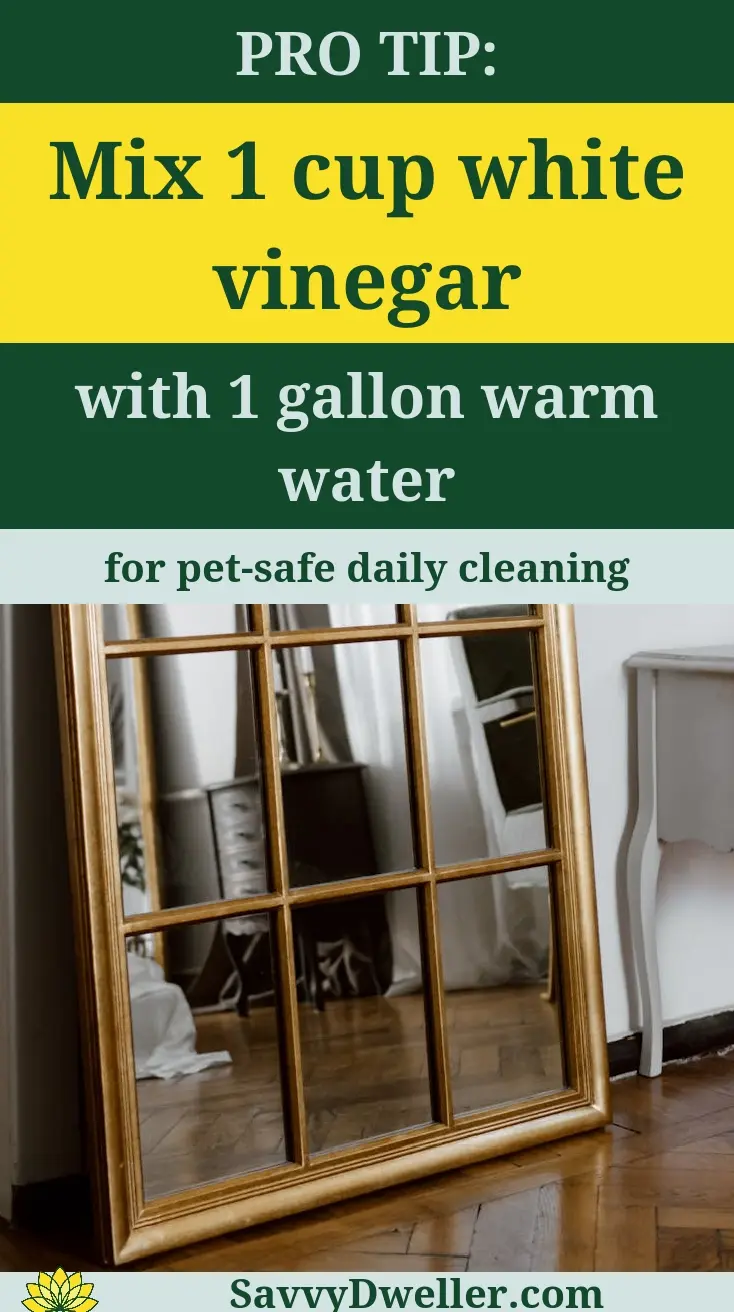
- 1 gallon of warm (not hot) water
- 1–2 teaspoons of fragrance-free, dye-free dish soap (like Castile or a clear, plant-based brand)
This simple mix is ideal for weekly mopping and safe for households cleaning hardwood floors with dogs or cats.
The Baking Soda Odor Eliminator
For lingering smells in corners or near pet beds, baking soda is a gentle, non-abrasive deodorizer.
- ¼ cup baking soda
- 2 cups warm water
- Optional: 5 drops of pet-safe essential oil like lavender (only if your pet isn’t sensitive)
Use this as a spot treatment-never pour dry baking soda directly on hardwood, as it can scratch the finish when walked on.
Mixing and Application Instructions
- Mix your chosen solution in a clean spray bottle or bucket.
- For mopping, dampen a microfiber mop head-never soak it. Wring until nearly dry.
- Mop in the direction of the wood grain using light pressure.
- Immediately dry the area with a second clean, dry microfiber cloth.
Less liquid is always better when cleaning wood floors with a pet-excess moisture invites warping and mold.
Storage and Safety Tips
Store DIY solutions in clearly labeled, airtight containers out of your pet’s reach. Even natural ingredients can cause upset stomachs if ingested. Discard after one week to prevent bacterial growth, especially if you’ve added essential oils or used tap water.
5. The Strategic Pet Hair Management Approach
Understanding Why Pet Hair Clings to Hardwood
Pet hair sticks to hardwood not just from gravity-but static electricity. Dry indoor air, especially in winter, creates a charge that makes fur cling stubbornly to smooth surfaces. This is why sweeping alone often fails in a home cleaning hardwood floors with pets.
Tools That Actually Work for Hair Removal
Forget flimsy brooms. Effective hair control relies on tools that either mimic static attraction or physically lift fur without scattering it.
Rubber Gloves Technique
Dampen a clean rubber glove (like dishwashing gloves) and run your hand over the floor. The moisture and texture create just enough grip to gather hair into clumps you can easily wipe away.
- Wet the glove slightly and wring out excess water.
- Swipe your gloved hand firmly across the floor in one direction.
- Collect the gathered fur and toss it in the trash.
This trick works especially well for cleaning hardwood floors with a cat, whose fine hair often evades traditional tools.
Dryer Sheets for Static Control
Rubbing a used dryer sheet over your floor neutralizes static, loosening hair so it can be swept or vacuumed easily. Use unscented, dye-free sheets to avoid chemical residues. To tackle static cling in your laundry, consider natural alternatives instead of relying solely on dryer sheets. Many household items can help reduce static cling without chemicals.
- Gently glide the sheet across baseboards and high-hair zones.
- Follow immediately with a microfiber dust mop to capture the lifted fur.
Do this once or twice a week as part of your hardwood floor pets maintenance routine.
Preventing Hair Buildup in High-traffic Areas
Place washable, low-pile rugs near pet entrances, feeding stations, and favorite lounging spots. These trap hair before it spreads. Vacuum or shake them outside daily. Combine this with regular brushing of your pet-especially during shedding seasons-to reduce airborne fur that settles on your floors. Additionally, keeping your laundry and furniture free of pet hair requires consistent maintenance and care. A proactive approach cuts cleaning time in half for anyone following a pet owner’s guide to cleaning hardwood floors safely.
6. The Protective Floor Care System
Strategic Placement Of Rugs and Mats
High-traffic zones-like entryways, hallways, and under food bowls-are prime spots for scratches, tracked-in dirt, and moisture buildup. By placing durable, non-slip rugs in these areas, you create a buffer between your pet’s paws and your hardwood.
Choose rugs with natural rubber backing to prevent slipping and avoid PVC or latex, which can discolor or damage finishes over time. Rotate or clean them weekly to stop grit from embedding and scratching your floor beneath. Regular maintenance is essential, especially for deeper cleaning methods. For example, area rugs can be deep cleaned without a machine using simple household solutions and a bit of elbow grease.
Nail Trimming and Paw Care Connection
Long nails are one of the top causes of fine scratches on hardwood-even if your pet isn’t jumping or running wildly. Keeping nails short not only protects your floors but also supports your pet’s joint health and gait.
- Trim dog or cat nails every 2–4 weeks, depending on growth rate and activity level.
- After walks or outdoor play, wipe your pet’s paws with a damp microfiber cloth to remove dirt, salt, or pollen.
- Check between paw pads for embedded debris that could later be tracked indoors.
This simple routine is a cornerstone of your hardwood floor cleaning guide for pet owners-prevention beats correction every time.
Humidity Control for Floor Longevity
Hardwood expands and contracts with moisture changes. If indoor humidity swings too wildly, your planks can warp, cup, or gap-especially in homes with active pets that contribute to ambient moisture.
How Pets Affect Indoor Humidity
Pets release moisture through respiration and evaporation from water bowls, wet fur, and even accidents. A large dog can add up to a pint of water vapor to your home’s air daily. In tightly sealed modern homes, this can push humidity above the ideal 30–50% range for hardwood.
Seasonal Adjustments
Adjust your home’s humidity with the seasons to keep floors stable:
- Winter: Use a humidifier to prevent floors from drying out and cracking (aim for 35–45% RH).
- Summer: Run a dehumidifier or AC to avoid swelling from excess moisture (keep below 50% RH).
- Place a hygrometer near pet zones-like near beds or water bowls-to monitor microclimates.
Consistent humidity isn’t just about floor care-it’s part of a complete pet owner’s guide to cleaning hardwood floors safely.
Common Mistakes to Avoid When Cleaning Hardwood Floors With Pets
Using Too Much Water or Cleaner
Soaking your floor invites water into seams and beneath planks, risking warping, mold, and finish damage. Even “safe” pet-friendly cleaners can leave residue if overused, creating a sticky film that attracts more hair and dirt.
Always mist cleaner onto your mop-not the floor-and wring it until nearly dry before mopping. One pass should leave the surface damp, not glossy.
Ignoring Wood Floor Finish Types
Not all hardwood is created equal. Factory-finished floors (with polyurethane seals) tolerate gentle cleaners, while oil-finished or waxed floors require pH-neutral, non-abrasive products. Using the wrong cleaner can strip protection or cause cloudiness.
Check your floor’s documentation or test a hidden area first. When in doubt, stick to distilled water and a microfiber mop for daily cleaning.
Waiting Too Long to Address Accidents
Pet urine contains uric acid that etches into wood grain within minutes. The longer it sits, the deeper it penetrates-leading to permanent staining, odor traps, and even subfloor damage.
Blot immediately, then neutralize with an enzymatic cleaner formulated for hardwood. Delaying by even 10 minutes increases the chance of lingering smells that attract repeat accidents.
Using Human Cleaning Products Around Pets
Many all-purpose household cleaners contain ingredients that are safe for floors-but not for paws, fur, or curious noses.
Hidden Dangers in Common Household Cleaners
Watch out for these toxic ingredients often found in standard cleaners:
- Phenols (in some disinfectants): toxic to cats, even in small amounts.
- Ammonia: mimics urine scent-may encourage pets to mark the same spot again.
- Essential oils (like tea tree, eucalyptus, citrus): can cause respiratory or neurological issues in pets.
- Chlorine bleach: releases fumes harmful to pets and damages wood finishes.
Reading Labels for Pet Safety
When choosing a hardwood floor cleaner for pet owners, look for these signs:
- Labeled “pet-safe” or “vet-approved” by a trusted brand.
- Free of dyes, strong fragrances, and the ingredients listed above.
- Biodegradable and pH-balanced (around 7).
- Explicitly states compatibility with sealed hardwood.
When you’re cleaning hardwood floors with pets safe in mind, the label is your first line of defense-for both your floor and your furry companion.
Frequently Asked Questions
Is It Safe to Use a Steam Mop on Hardwood Floors When You Have Pets?
Using a steam mop on hardwood floors is generally not recommended, especially in homes with pets. The high heat and moisture can seep into wood seams, causing warping, swelling, or damage to the finish over time. For pet owners, this risk is higher because accidents or spills might already compromise the floor’s seal, making it more vulnerable.
Instead, opt for a damp microfiber mop with a pet-safe cleaner. Always test any cleaning method in an inconspicuous area first to ensure it doesn’t affect your floor’s finish. If you must use steam, choose a model with low-pressure settings and avoid holding it in one spot for more than a few seconds.
How Can I Tell if a Cleaning Product is Truly Pet-safe Beyond the Label?
Look for certifications like EPA Safer Choice or Green Seal, which indicate the product has been evaluated for environmental and health safety, including pet exposure. Avoid products with harsh chemicals such as ammonia, bleach, or phenols, which can be toxic if ingested or inhaled by pets. Even “natural” claims can be misleading, so always check the ingredient list. When seeking safe solutions, consider options like homemade weed killers that are pet-friendly and non-toxic. These alternatives can effectively control weeds without compromising your pets’ safety.
For added safety, choose fragrance-free and dye-free options to reduce the risk of allergic reactions. After cleaning, ensure the floor is completely dry before allowing pets back into the area to prevent them from licking residual chemicals.
What Are the Early Signs That Pet-related Wear Might Require Professional Floor Refinishing?
Watch for deep scratches that catch your fingernail or areas where the wood finish has worn away, exposing bare wood. These spots may appear dull or discolored compared to the rest of the floor. Pet claws, frequent accidents, or hair buildup can accelerate this wear, so addressing it early prevents more extensive damage.
If you notice cupping or warping near pet feeding areas or accident sites, it could indicate moisture damage that needs professional assessment. Regular maintenance like nail trimming and using rugs can delay the need for refinishing, but consult a hardwood floor specialist if wear affects more than 10% of the floor surface.
Final Words
You’ve now got a complete toolkit for keeping your hardwood floors spotless while keeping your furry family members safe and healthy. The key to success lies in consistency with your daily maintenance routine and quick action when accidents happen. Remember, protecting your floors doesn’t mean compromising your pet’s wellbeing – you can achieve both with the right approach.
Your hardwood floors are an investment worth protecting, and your pets deserve a clean, safe environment to call home. Start with the daily sweep method tomorrow morning, mix up that DIY pet-safe cleaning solution, and watch how much easier floor maintenance becomes when you stay ahead of the mess. The techniques we’ve shared will save you time, money, and stress in the long run.
Ready to transform your pet-friendly home maintenance routine? Put these strategies into action and see the difference for yourself. For more practical home solutions that work for real families with pets, explore Savvy Dwelling where we share tested tips that make everyday challenges manageable. Your floors – and your pets – will thank you.
References:
- How To Clean Dog Pee on Hardwood Floors Safely
- Hardwood Floor Cleaning Best Practices For Pet Owners
- Paw-Proof Your Flooring: A Step-by-Step Guide to Eliminating Pet Stains on Wood
- The Best Pet-Safe Floor Cleaners and DIY Solutions · Kinship
- Pet Safe Floor Cleaners: 5 Best Picks + Easy DIY Recipes | Branch Basics