
The Best Way to Get Rid Of Fire Ant Mounds in Your Yard
Are those painful, itchy fire ant stings ruining your time outdoors? You’re not alone in this frustrating battle against aggressive fire ants that seem to build new mounds overnight. These painful pests can turn a peaceful backyard into a danger zone, especially for children and pets who love to play on the grass.
This comprehensive guide breaks down the most effective fire ant elimination methods that actually work, tested by homeowners who’ve won the war against these stubborn invaders. You’ll get clear, step-by-step strategies that target both visible mounds and hidden colonies, plus prevention tactics to keep your yard fire ant-free for good.
Contents
- At a Glance: The Best Solutions
- The Science Made Simple: Why Fire Ant Mounds Appear in Your Yard
- 1. Mound Drench Method
- 2. Fire Ant Bait Systems
- 3. Broadcast Treatment Applications
- 4. Natural Fire Ant Control Methods
- 5. Combination Treatment Approach
- 6. Professional-grade Solutions for Stubborn Mounds
- Common Mistakes to Avoid
- 5 Habits to Keep Fire Ant Mounds From Coming Back
- Frequently Asked Questions
- Final Words
- Sources:
At a Glance: The Best Solutions
Quick Reference Treatment Comparison
Choosing the best way to get rid of fire ant mounds in your yard starts with matching your method to your yard’s size, infestation level, and your comfort with chemicals versus natural approaches. Each strategy has a specific role in eliminating fire ant mounds effectively.
| Method | Best For | Speed of Results | Effectiveness Level | Reapplication Needed? |
|---|---|---|---|---|
| Mound Drench | Visible, isolated fire ant mounds | 1–3 days | High (kills mound quickly) | Yes, for missed queens or satellite mounds |
| Fire Ant Bait | Multiple or hidden fire ant hills; long-term control | 1–3 weeks | Very high (targets queen inside fire ants mound) | Often, especially in active seasons |
| Broadcast Treatment | Large yards with recurring fire ant mounds in yard | 2–4 weeks | High (prevents new colonies) | Seasonally, for prevention |
| Natural Methods (e.g., boiling water, diatomaceous earth) | Small, accessible fire ant hills; eco-conscious yards | Immediate (but partial) | Moderate (often requires repeat applications) | Yes-frequently |
| Combination (Two-Step) | Severe infestations; getting rid of fire ant mounds for good | 1–2 weeks | Very high (fast + lasting) | Minimal if timed correctly |
If you’re wondering how to get rid of an ant mound fast, mound drenching gives the quickest visible results. But for lasting control of fire ants in a mound-and to stop new ones from forming-baits or a two-step combo are your strongest allies.
The most reliable way to treat fire ant mounds isn’t always the fastest, but it’s the one that reaches the queen. That’s why bait systems, though slower, are often the secret to truly eliminating fire ant mounds long-term.
When you’re dealing with how to get rid of a large ant mound or multiple fire ant hills, don’t rely on a single method. A strategic mix-like drenching active mounds while broadcasting bait-covers both immediate and hidden threats.
The Science Made Simple: Why Fire Ant Mounds Appear in Your Yard
Understanding Fire Ant Colony Behavior
Fire ants are highly social insects that build mounds as protective structures for their underground colonies. Unlike other ants that nest in rotting wood or under rocks, fire ants prefer open, sunny areas with well-drained soil-making lawns and garden beds prime real estate. A single fire ant mound can house thousands of workers, multiple queens in some species, and an intricate network of tunnels extending several feet below the surface.
These mounds aren’t just piles of dirt-they’re climate-controlled fortresses. The ants constantly adjust the soil to regulate temperature and humidity, which is why mounds often appear after rain or during warm seasons when colony activity peaks.
Why Traditional Yard Maintenance Attracts Fire Ants
Ironically, common lawn care habits can make your yard more inviting to fire ants. Overwatering creates moist soil that’s easy to excavate, while sparse ground cover or thin turf gives them unobstructed sun exposure. Frequent mowing without proper thatch management can weaken grass roots, leaving bare patches that fire ants colonize quickly.
Even mulching around flower beds-while great for plants-can offer warmth and shelter for new colonies. Fire ants are opportunistic; they’ll move into disturbed soil faster than native ants can reclaim it.
The Queen’s Role in Mound Formation
The queen is the heart of the fire ant mound. After mating, she burrows into the ground and begins laying eggs-up to 1,500 per day in mature colonies. Worker ants feed the larvae, expand tunnels, and push excavated soil upward, forming the visible mound we see above ground.
Without the queen, the colony collapses. That’s why treatments that fail to reach or affect her often result in temporary relief at best. Understanding her central role explains why surface-level fixes rarely solve the problem of how to get rid of fire ant mounds for good.

1. Mound Drench Method
What You’ll Need for Drenching
- Insecticide labeled for fire ant mound drenches (e.g., containing bifenthrin, permethrin, or acephate)
- Large watering can or garden sprayer (at least 1–2 gallons capacity)
- Measuring cup or dosing device
- Protective gloves and closed-toe shoes
- Access to clean water
Step-by-step Drenching Process
- Read the insecticide label carefully and mix the correct amount with water as directed-typically 1 to 2 gallons per mound.
- Slowly pour the solution directly onto the center of the fire ant mound, allowing it to soak in. Don’t just spray the surface; aim to saturate the entire mound base and surrounding soil out to a 12-inch radius.
- Continue pouring until the mixture fully penetrates the tunnels. You may see ants surfacing-this is normal as they flee the flooded nest.
- Avoid disturbing the mound before or immediately after treatment; agitation can cause the queen to retreat deeper, reducing effectiveness.
- Wait 24–48 hours to assess results. If ant activity persists, a follow-up drench may be needed.
Best Times to Apply Drench Treatments
Morning vs Evening Application
Apply drench treatments in the early morning or late evening when fire ants are most active near the surface. During midday heat, ants retreat deep underground, making it harder for the solution to reach the queen and brood. Early morning also allows the soil to absorb the treatment before evaporation increases with rising temperatures.
Weather Considerations
Avoid treating fire ant mounds right before heavy rain-it can wash away or dilute the insecticide before it penetrates the colony. Ideal conditions are dry, warm days (70–90°F) with no rain expected for at least 24 hours. Cool or wet soil slows ant movement and reduces uptake, lowering the chance of eliminating fire ant mounds completely. If ants invade your bathroom, similar weather considerations apply to effectively eliminate them. Taking action during dry conditions can significantly improve your efforts to eliminate ants in your bathroom.
Also See: How to Clean Your Granite Countertops Without Damaging Them
2. Fire Ant Bait Systems
How Fire Ant Baits Work
Fire ant baits use a clever trick: they combine a slow-acting insecticide with a food attractant (often soybean oil or corn grit). Worker ants carry the bait back to the mound, sharing it with the queen, larvae, and other nestmates-eventually killing the entire colony from within.
Unlike drenches, baits don’t kill on contact. This delayed action is intentional; it gives time for maximum distribution through trophallaxis (food sharing). That’s why patience is key when using this method to get rid of fire ant hills.
Choosing the Right Bait for Your Yard
Look for baits labeled specifically for red imported fire ants (Solenopsis invicta) with active ingredients like hydramethylnon, methoprene, or indoxacarb. Granular formulations work best for broadcast use, while smaller pellet baits are ideal for spot-treating around known mounds. Always check that the product is approved for residential lawns and safe around pets when used as directed.
Proper Bait Placement Strategy
Distance from Mounds
Don’t place bait directly on or inside active fire ant mounds. Instead, scatter it in a 3- to 10-foot radius around the mound base. Fire ants forage outward from their nest, and they’re more likely to collect bait when it’s in their natural trail paths-not buried in disturbed soil.
Coverage Area Guidelines
For individual mounds, use 1 to 2 tablespoons of bait per mound. For yard-wide prevention, apply bait evenly at a rate of 1 to 1.5 pounds per acre (check product label for exact rates). Even distribution matters-clumping bait reduces foraging efficiency and can lead to missed colonies. Reapply every 2–3 weeks during active seasons (spring through fall) for ongoing control of fire ant mounds in your yard.
3. Broadcast Treatment Applications
When to Choose Broadcast Over Individual Mounds
If you’re dealing with multiple fire ant mounds or have noticed scattered, hard-to-spot nests across your yard, broadcast treatment is often the best way to get rid of fire ant mounds in your yard efficiently. This method is especially useful when you’re aiming for long-term suppression rather than spot treatment of visible mounds.
Broadcast treatments work preventively by targeting foraging ants before they establish large colonies. They’re ideal for lawns used frequently by kids or pets, where hidden mounds pose a stinging risk.
Application Equipment and Techniques
Using the right equipment ensures even distribution and maximum effectiveness:
- Drop spreaders for granular insecticides (more precise)
- Rotary (broadcast) spreaders for larger areas (faster coverage)
- Hand-held dusters for light, targeted broadcast in garden beds
Always apply when the ground is dry and ants are actively foraging-typically mid-morning to late afternoon on warm, sunny days. Avoid windy conditions to prevent drift.
Coverage Calculations for Your Yard Size
To eliminate fire ant mounds effectively, you need the right product-to-area ratio. Most granular broadcast treatments cover 5,000 to 10,000 square feet per pound. Measure your yard:
- Multiply your yard’s length by its width (e.g., 100 ft × 80 ft = 8,000 sq ft).
- Check the product label for coverage rate (e.g., “1 lb treats 8,000 sq ft”).
- Calibrate your spreader using a small test area to ensure even application.
Under-applying reduces effectiveness; over-applying wastes product and may harm beneficial insects.

4. Natural Fire Ant Control Methods
Boiling Water Treatment
Pouring boiling water on a fire ant mound is a low-cost, chemical-free option. It can kill ants on contact and collapse the upper tunnels-but rarely eliminates the queen or deep nest.
Safety Precautions
This method carries real burn risks, especially around children or pets:
- Wear closed-toe shoes, long pants, and heat-resistant gloves.
- Use a kettle with a long spout to maintain distance from the mound.
- Never attempt this on windy days or near flammable mulch or dry grass.
Application Technique
- Boil 2–3 gallons of water (add a few drops of dish soap to break surface tension and improve penetration).
- Slowly pour the water directly onto the mound’s center from arm’s length.
- Repeat in 2–3 days if ant activity persists.
Note: This works best on small, newly formed mounds. It’s less effective for large or deep nests.
Diatomaceous Earth Application
Food-grade diatomaceous earth (DE) dehydrates fire ants by damaging their exoskeletons. It’s non-toxic to humans and pets when used correctly for pest control like for roaches and other insects.
Apply a light dusting directly onto active mounds and surrounding soil. Reapply after rain or heavy dew, as moisture reduces its effectiveness. For best results, combine with baiting-DE won’t reach the queen but reduces worker numbers.
Essential Oil-based Solutions
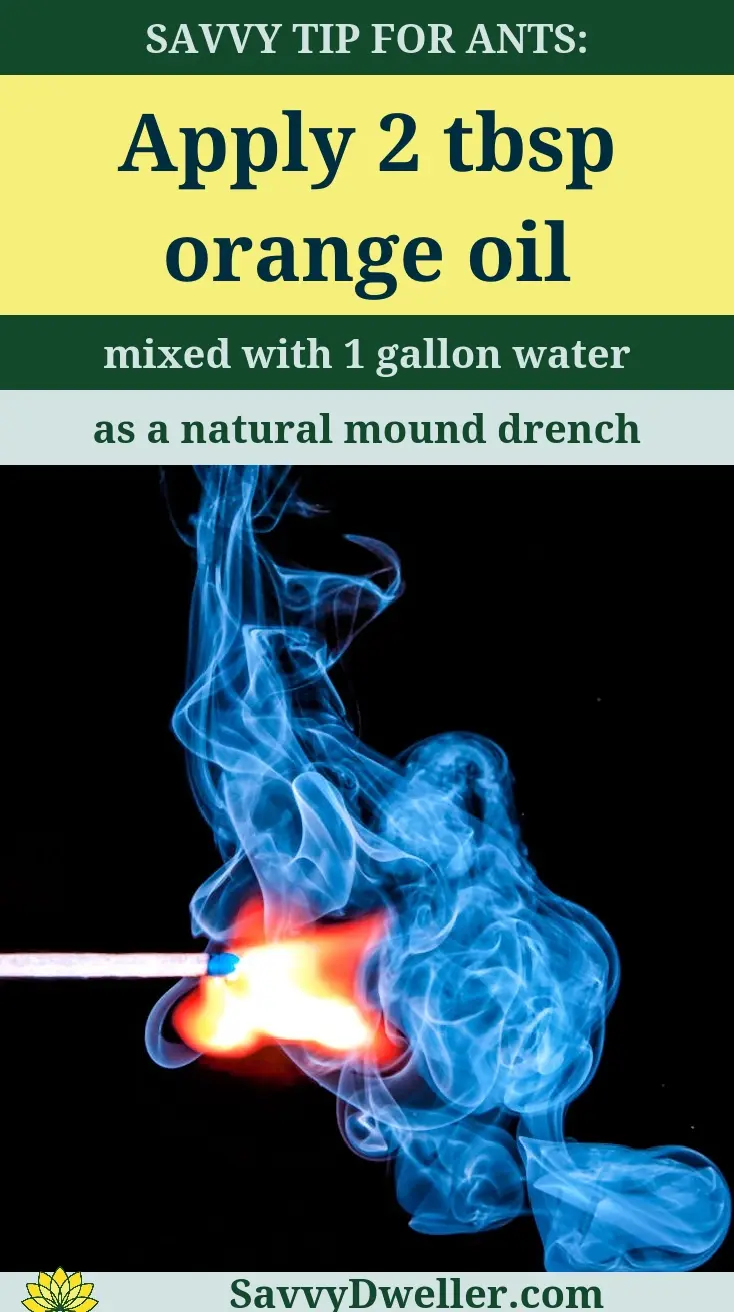
Certain essential oils—like peppermint, citrus, or tea tree—repel or disrupt fire ant trails. While they won’t fully eliminate a mound, they can deter new colonies from settling nearby. Interestingly, peppermint oil is also noted for its potential to repel spiders, making it a versatile choice for pest management.
Mix 10–15 drops of essential oil with 1 quart of water and a teaspoon of dish soap. Spray around the perimeter of your yard, near patios, or along ant trails—not directly on mounds, as this may scatter the colony without killing it. Reapply every 3–4 days for ongoing deterrence. This method can help get rid of ants on your patio deck naturally, without the use of harsh chemicals. Natural repellents are not only effective but also safer for children and pets.
5. Combination Treatment Approach
Two-step Method Strategy
The most reliable way to get rid of fire ant mounds long-term is the two-step method recommended by entomologists: first, apply a bait to eliminate the colony’s reproductive core, then spot-treat surviving mounds with a fast-acting drench or granular insecticide.
How to get rid of fire ant hills using this method: distribute bait across the entire yard to target hidden colonies, then wait 7–10 days before treating any remaining visible mounds individually.
Timing Between Different Treatments
Patience is key. Apply bait when ants are foraging (ground temperature above 60°F, dry conditions). Wait at least 5–7 days before using mound drenches or broadcast insecticides-this gives ants time to carry bait back to the queen.
Never apply fast-acting insecticides before or at the same time as bait; it kills foragers before they can share the bait, rendering it useless.
Monitoring Treatment Effectiveness
Track your progress to avoid repeated infestations:
- Mark treated mounds with flags or photos.
- Check for new ant activity weekly-look for fresh soil or trails.
- If mounds reappear within 2–3 weeks, reapply bait in the surrounding area.
Successful elimination means no new mounds for 4–6 weeks. If fire ants in a mound persist despite treatment, consider a stronger product or professional help-some colonies are deeply entrenched or queen-redundant (multiple queens per nest).
6. Professional-grade Solutions for Stubborn Mounds
When DIY Methods Aren’t Enough
If you’ve tried baiting, drenching, and natural remedies but still see active fire ant mounds in your yard, it may be time to consider stronger, professional-grade options. These solutions are designed for persistent colonies, large infestations, or mounds that keep reappearing despite repeated treatment attempts. Alternatively, using natural deterrents like cinnamon can be an effective method to keep ants out of your house, as they dislike the strong scent and will often avoid areas treated with it.
Heavy-duty Treatment Options
Professionals often use concentrated insecticides that target both the worker ants and the queen deep within the colony. These products fall into two main categories:
- Contact insecticides-applied directly to the mound for rapid knockdown.
- Systemic or residual insecticides-designed to linger in the soil and prevent re-colonization.
Common active ingredients in professional formulations include fipronil, indoxacarb, and hydramethylnon. These are available in granular, liquid, or dust forms and are labeled for broadcast or individual mound use.
Safety Considerations for Stronger Products
Professional-grade insecticides are more potent and require careful handling. Always wear protective gloves, long sleeves, and eye protection. Keep children and pets away from treated areas until the product has dried or settled as directed. Never apply these products near water sources, edible gardens, or pet runs without checking the label restrictions first.
Common Mistakes to Avoid
Disturbing Mounds Before Treatment
Poking, raking, or watering a fire ant mound before treatment can cause the colony to scatter, making it harder for bait or insecticide to reach the queen. Leave the mound undisturbed for at least 24–48 hours before applying any treatment.
Treating During Wrong Weather Conditions
Applying bait or liquid treatments during rain, high winds, or extreme heat drastically reduces effectiveness. Fire ants are less active in temperatures below 60°F or above 90°F, and rain can wash away or dilute your product. Choose a calm, dry day with moderate temperatures for best results when you’re trying to get rid of fire ant hills.
Using Too Little Product
Skimping on bait or drench volume is one of the top reasons treatments fail. Fire ant colonies can contain hundreds of thousands of workers, and under-dosing won’t deliver enough active ingredient to the queen. Always follow label rates-they’re calibrated for your specific yard size and mound activity level.
Ignoring Follow-up Applications
A one-and-done approach rarely eliminates the entire colony. Surviving queens or satellite nests can rebuild within weeks.
Why Single Treatments Often Fail
Fire ant colonies are complex, with multiple chambers and sometimes multiple queens. A single drench or bait application might kill surface workers but miss the deeper reproductive core. That’s why the best way to get rid of fire ant mounds in your yard often involves a layered strategy with timed reapplications. If fire ants invade your kitchen, similar strategies can effectively eliminate them. A comprehensive kitchen ant invasion guide will help identify the most effective methods for getting rid of ants in your home.
Creating a Treatment Schedule
- Apply a fast-acting mound drench to knock down visible activity.
- Wait 5–7 days, then broadcast a bait across the entire yard to catch foragers from hidden or new mounds.
- Reassess after 2 weeks. If you spot fresh soil or ant trails, reapply bait or spot-treat new mounds.
- Repeat monthly during warm months (spring through fall) for continuous control.
5 Habits to Keep Fire Ant Mounds From Coming Back
Regular Yard Maintenance Practices
Keep your lawn mowed, remove leaf litter, and trim overgrown shrubs. Fire ants prefer undisturbed, sunny areas with loose soil—so a tidy yard is less inviting. Raking and aerating compacted soil also makes it harder for fire ants to establish new mounds. If you notice ants in your potted plants, it could indicate they’re attracted to the moisture or pests like aphids. These pests can often be a food source for ants, drawing them to your plants.
Moisture Control Strategies
Standing water and soggy ground attract fire ants looking for nesting sites near moisture. Fix leaky sprinklers, improve drainage in low spots, and avoid overwatering. Dry, well-drained soil is far less appealing for fire ants in a mound to take root.
Landscape Modifications That Deter Fire Ants
Incorporate ant-resistant ground covers like gravel, mulch beds with dense native plants, or raised garden beds with barriers. Avoid using loose organic mulch near patios or play areas-these can double as nesting material. Strategic hardscaping reduces the number of suitable sites for how to get rid of fire ant nests permanently.
Monthly Monitoring Routine
Walk your yard on a consistent day each month (e.g., the first Saturday) to inspect for fresh soil piles, ant trails, or disturbed dirt. Early detection means easier, less costly control. Mark past mound locations with small flags so you can watch for re-emergence.
Seasonal Prevention Applications
Apply a preventive bait in early spring before colonies become active, and again in early fall to target new queens establishing nests. Use products labeled for “season-long control” that release slowly into the soil. This proactive habit is key to how to get rid of fire ant hills before they even appear. By taking these early steps, you can also effectively manage termite infestations. For an ultimate guide on getting rid of termites naturally, consider exploring various natural methods that can protect your home from these pests.
Frequently Asked Questions
Are Fire Ant Treatments Safe for Pets and Children?
Most fire ant treatments are safe when used as directed, but always check product labels for specific warnings and precautions. For chemical options like baits or drenches, keep pets and children away until the area is completely dry-typically a few hours. Natural methods, such as diatomaceous earth, pose fewer risks but should still be applied carefully to avoid inhalation or contact.
To enhance safety, opt for pet-friendly baits or apply treatments when family and pets are indoors, such as in the early morning. Always store products securely and avoid over-application to reduce residue buildup in high-traffic areas of your yard.
How Can I Distinguish Fire Ant Mounds From Other Ant Hills?
Fire ant mounds are typically dome-shaped, lack a central opening, and can reach up to 18 inches in height, often appearing after rain. Unlike other ants, fire ants are aggressive and will swarm quickly if disturbed. Look for reddish-brown ants about 1/8 to 1/4 inch long, and check for multiple mounds in sunny, open areas of your yard.
For confirmation, gently poke the mound with a stick and observe the ants’ behavior-fire ants will emerge rapidly and aggressively. If unsure, contact a local extension service for identification help to avoid misapplying treatments.
What is the Environmental Impact Of Chemical Fire Ant Killers?
Chemical treatments can affect non-target insects and soil health if misused, but many modern products are designed to break down quickly and target specific pests. Baits, for example, have low active ingredient concentrations and are carried directly to the colony, minimizing broad environmental exposure. Always choose EPA-registered products and avoid applying near water sources to protect aquatic life.
To reduce impact, integrate chemical methods with natural controls and follow label rates precisely. Spot-treat individual mounds instead of broadcasting chemicals widely, and consider organic options like spinosad-based baits, which are less persistent in the environment.
How Much Should I Budget for DIY Fire Ant Control?
Costs vary based on yard size and method, but expect to spend $20–$50 for initial treatments, such as baits or drench concentrates for a typical quarter-acre yard. Natural options like diatomaceous earth may cost less ($10–$20), while professional-grade products can run higher ($30–$100). Remember to factor in repeat applications, as single treatments often fail.
For long-term savings, invest in a combination approach and buy in bulk, like larger bait containers. Compare product coverage rates-for example, broadcast treatments might cost more upfront but cover larger areas efficiently, reducing per-application expenses over time.
What Should I Do if Fire Ants Return After Treatment?
If fire ants reappear, first reassess your treatment timing and method-ensure you targeted the queen and applied during optimal conditions (e.g., dry, mild weather). It’s common to need follow-up applications within 4–6 weeks, as surviving satellites colonies can regroup. Avoid disturbing new mounds prematurely, which can spread the ants.
Switch to a different strategy if needed, such as combining baits with a drench for stubborn infestations, and maintain a monitoring schedule. If problems persist after 2–3 attempts, consult a professional, as you may have a widespread issue requiring advanced solutions.
Final Words
You now have a comprehensive arsenal of proven methods to eliminate fire ant mounds from your yard and keep them from returning. The key to success lies in choosing the right approach for your specific situation-whether that’s the targeted precision of mound drenching, the colony-wide effectiveness of bait systems, or the protective coverage of broadcast treatments.
Remember that persistence and proper timing make all the difference in achieving lasting results. Fire ant colonies are resilient, but by following these step-by-step methods and avoiding common mistakes, you’ll see significant improvements within weeks. Don’t skip the prevention habits we’ve outlined-they’re your best defense against future infestations.
Ready to reclaim your yard? Start with the method that best fits your needs and yard conditions. For more expert home and garden solutions that actually work, check out Savvy Dwelling where we continue sharing practical advice you can trust.