How to Get Rid Of Wet Dog Smell From Your Car and Home
Nothing ruins a car ride or peaceful evening at home quite like that unmistakable wet dog smell lingering in the air. Whether your furry friend got caught in the rain, took an unexpected swim, or simply has that natural doggy odor that intensifies with moisture, you’re dealing with stubborn compounds that regular cleaning just can’t touch.
We’ve spent countless hours researching and testing the most effective odor-elimination methods to bring you solutions that actually work. This comprehensive guide will walk you through six proven techniques that neutralize wet dog smell at its source – from simple household remedies to professional-grade treatments that restore fresh, clean air to your spaces.
Contents
- At a Glance: The Best Solutions
- 1. The Baking Soda Method
- 2. White Vinegar Solution
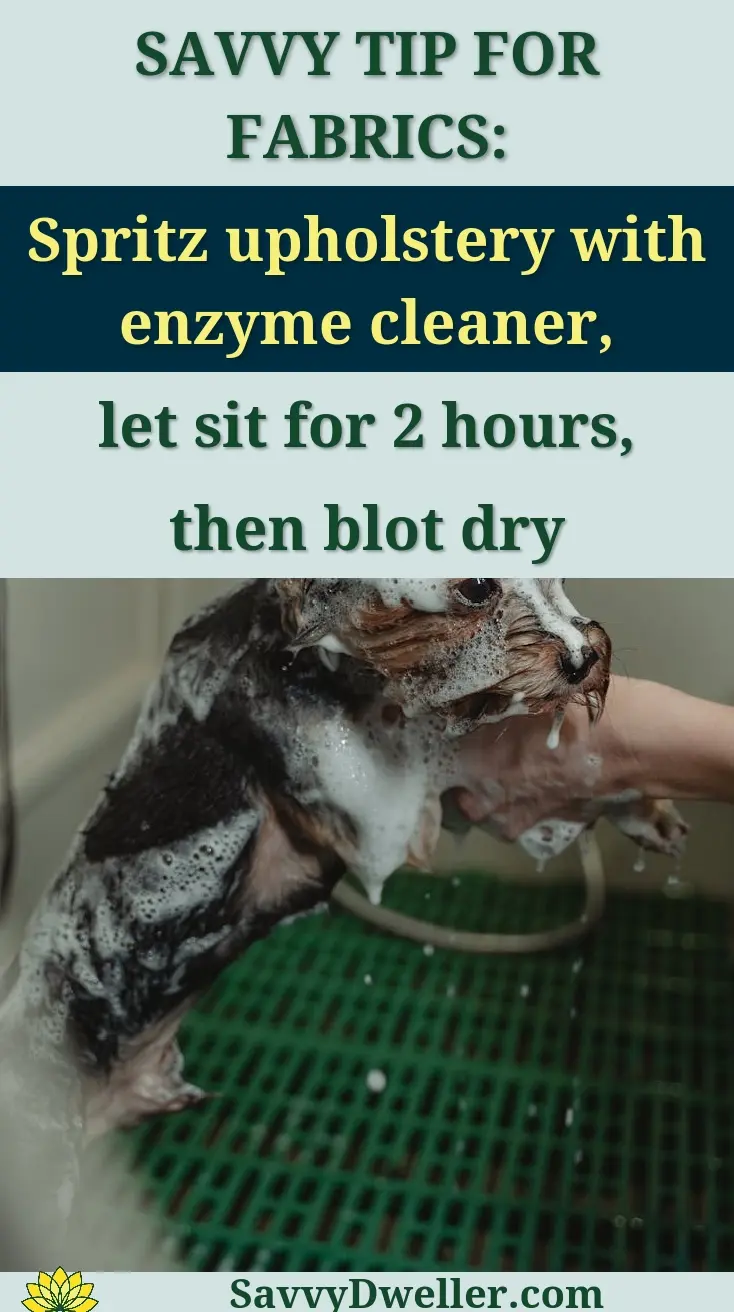
- 3. Enzymatic Odor Eliminators
- 4. Steam Cleaning Treatment
- 5. Activated Charcoal Absorption
- 6. Professional Ozone Treatment
- The Science Made Simple: Why This Problem Happens
- Common Mistakes to Avoid When Dealing With Wet Dog Smell
- Frequently Asked Questions
- Final Words
At a Glance: The Best Solutions
When dealing with wet dog odor elimination, you need methods that actually neutralize the smell rather than mask it. The musty, lingering scent comes from bacteria and oils that require specific approaches to eliminate completely.
Here’s what works best based on our research and testing different solutions.
| Method | Best For | Time Required | Cost |
|---|---|---|---|
| Baking Soda | Fresh odors, fabric surfaces | 2-24 hours | $ |
| White Vinegar | Hard surfaces, immediate action | 30 minutes | $ |
| Enzymatic Cleaners | Deep-set odors, organic matter | 1-4 hours | $$ |
| Steam Cleaning | Carpets, upholstery | 2-3 hours | $$ |
| Activated Charcoal | Ongoing odor absorption | 24-48 hours | $ |
| Ozone Treatment | Severe, persistent odors | 2-6 hours | $$$ |
The most effective approach often combines two methods: an active cleaner followed by an absorption method. For example, using an enzymatic cleaner first, then placing activated charcoal in the area overnight.
Choose your primary method based on the severity of the odor and the surfaces affected. Light odors respond well to baking soda or vinegar, while persistent wet dog smell requires enzymatic cleaners or steam treatment.
Professional ozone treatment becomes necessary when the odor has penetrated deep into porous materials or when other methods haven’t provided complete relief after multiple attempts.
1. The Baking Soda Method
How It Works
Baking soda acts as a natural alkaline absorbent that neutralizes acidic odor compounds found in wet dog smell. The sodium bicarbonate molecules bind with odor particles, effectively trapping them instead of simply masking the scent.
This method works particularly well because it addresses the root cause of the smell rather than covering it up. The fine powder structure allows it to penetrate deep into fabric fibers and porous surfaces where odors hide.
What You’ll Need
- Baking soda (at least 2-3 boxes for car treatment, 4-5 boxes for home use)
- Vacuum cleaner with upholstery attachment
- Soft-bristled brush or old toothbrush
- Spray bottle filled with water
- Microfiber cloths
Step-by-step Instructions for Cars
- Remove all floor mats, seat covers, and any removable fabric items from your vehicle.
- Vacuum all surfaces thoroughly, paying special attention to crevices between seats and under seat cushions.
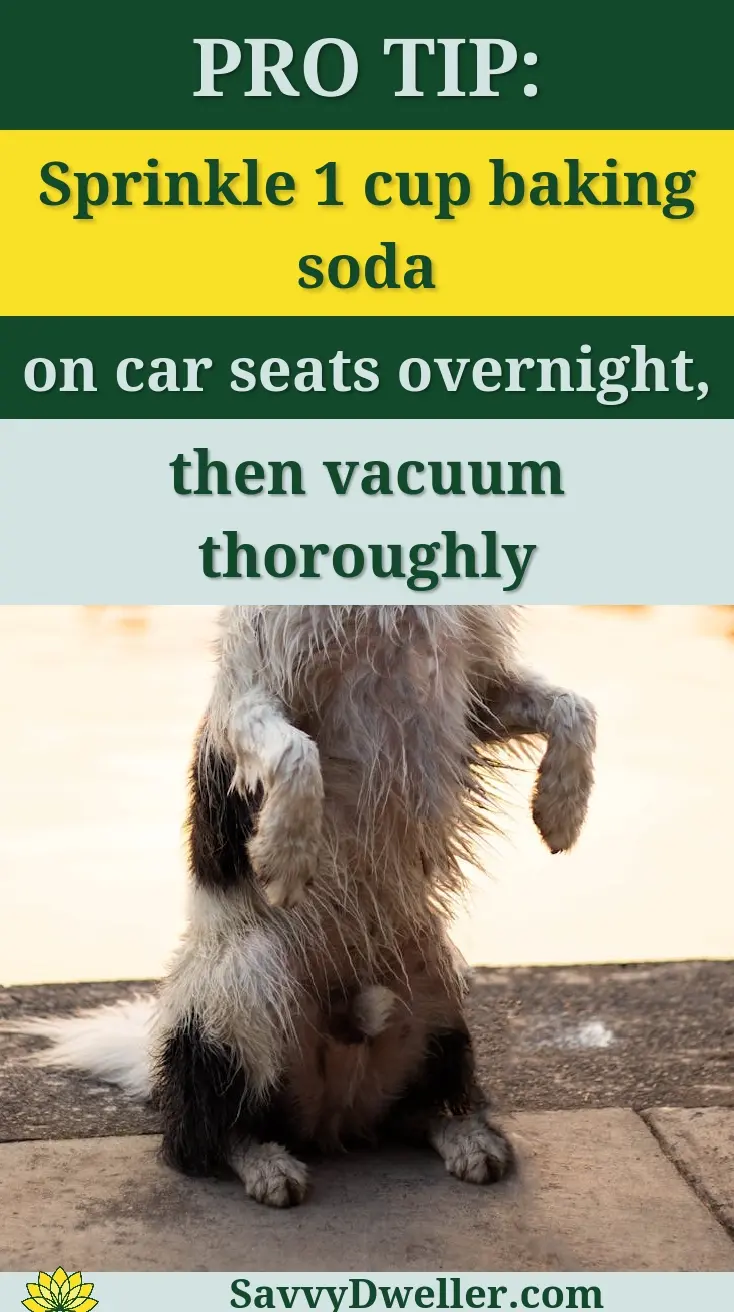
- Sprinkle a generous layer of baking soda over all fabric surfaces, including seats, carpets, and headliners.
- Use the soft brush to work the baking soda into the fabric fibers with gentle circular motions.
- Leave the baking soda in place for at least 8 hours, preferably overnight with windows cracked for ventilation.
- Vacuum all surfaces completely, using the upholstery attachment to ensure thorough removal.
- For persistent odors, lightly mist the area with water and repeat the process.
Step-by-step Instructions for Home
- Identify all areas where your wet dog has been, including carpets, rugs, and upholstered furniture.
- Remove any loose debris and pet hair with thorough vacuuming.
- Apply a thick, even layer of baking soda to affected carpets and fabric surfaces.
- Work the powder deep into carpet fibers using a brush or your hands.
- Allow the baking soda to sit for 12-24 hours for maximum odor absorption.
- Vacuum thoroughly, making multiple passes to remove all residue.
- For furniture cushions, remove covers if possible and treat both the cover and foam separately.
2. White Vinegar Solution
How It Works
White vinegar contains acetic acid, which breaks down the organic compounds responsible for wet dog odor. Unlike harsh chemicals, vinegar eliminates smells naturally while being safe around pets and family members.
The acidic nature of vinegar neutralizes alkaline odor molecules, literally dissolving the source of the problem. As the vinegar evaporates, it takes the trapped odor particles with it.
What You’ll Need
- White vinegar (distilled, not flavored)
- Clean water
- Spray bottles (2-3 bottles recommended)
- Microfiber cloths
- Paper towels
- Fan or dehumidifier for faster drying
Step-by-step Instructions for Cars
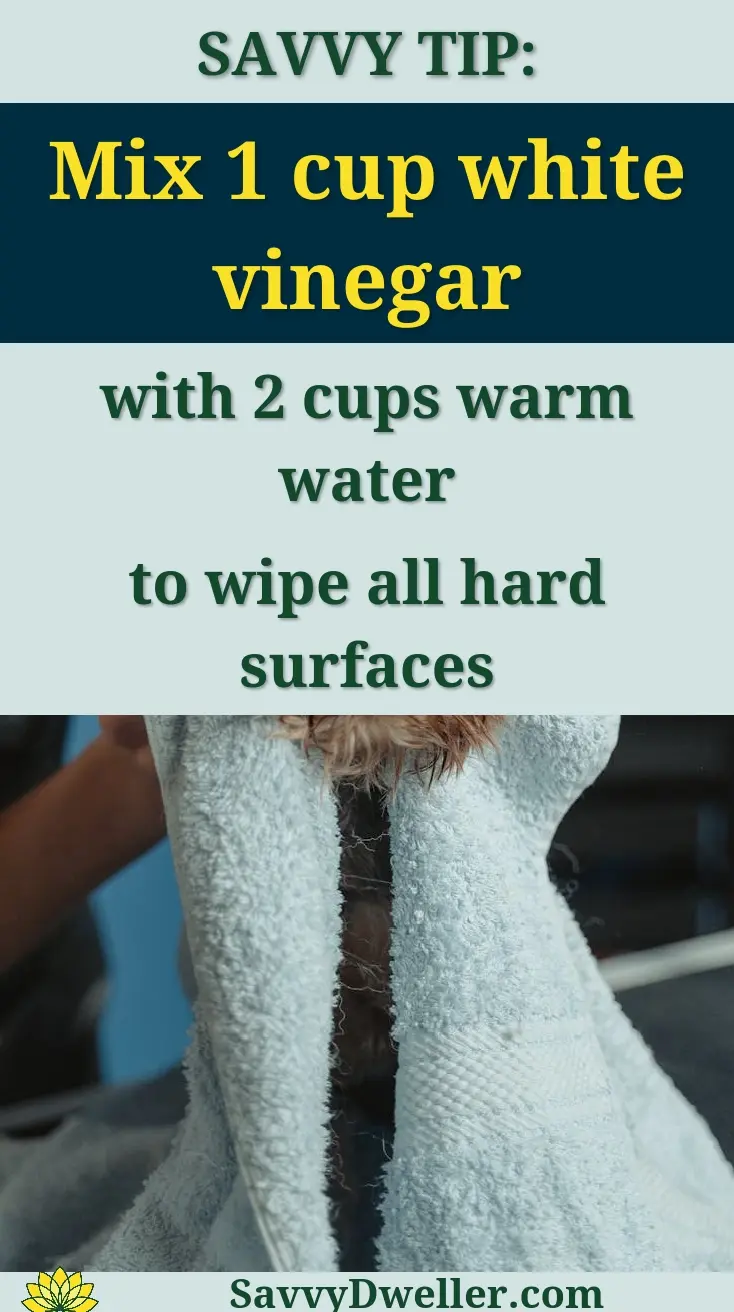
- Mix equal parts white vinegar and water in a spray bottle (1:1 ratio).
- Test the solution on a hidden area first to ensure it won’t damage your car’s interior.
- Spray the solution evenly over affected fabric surfaces, avoiding oversaturation.
- Allow the solution to penetrate for 10-15 minutes without wiping.
- Blot excess moisture with clean microfiber cloths, don’t rub or scrub.
- Leave all windows and doors open for several hours to allow complete air drying.
- The vinegar smell will dissipate as it dries, taking the wet dog odor with it.
Step-by-step Instructions for Home
- Create a stronger solution using 2 parts vinegar to 1 part water for heavily affected areas.
- Spray carpets and upholstery systematically, working in small sections.
- For carpets, spray until slightly damp but not soaked through to the padding.
- Use fans to circulate air and speed up the drying process.
- Repeat the application after 24 hours if odors persist.
- For washable items like throw pillows or blankets, add 1 cup of vinegar to your regular wash cycle.
- Ensure complete drying to prevent mold or mildew from developing.
Also See: Are You Using Too Much Laundry Detergent? Signs You’re Overdoing It
3. Enzymatic Odor Eliminators
How It Works
Enzymatic cleaners contain live bacteria and enzymes that literally consume the organic matter causing wet dog smell. These biological agents break down proteins, oils, and other compounds at a molecular level.
This method provides the most thorough odor elimination because it completely destroys the source rather than masking or temporarily neutralizing it. The enzymes continue working for hours after application, ensuring deep cleaning.
What You’ll Need
- High-quality enzymatic pet odor eliminator
- Clean spray bottles
- Microfiber cloths
- Vacuum cleaner
- Plastic sheeting (for furniture protection)
- Extraction fan or dehumidifier
Step-by-step Instructions for Cars
Targeting Car Upholstery
- Purchase an enzymatic cleaner specifically designed for automotive use.
- Remove any surface debris and vacuum thoroughly before treatment.
- Apply the enzymatic solution generously to affected upholstery areas.
- Allow the product to penetrate for the manufacturer’s recommended time (usually 10-30 minutes).
- Blot excess liquid with clean cloths, but don’t rinse away the enzymes.
- Keep the car ventilated during the 24-48 hour enzyme activation period.
Cleaning Floor Mats and Carpets
- Remove floor mats completely from the vehicle for separate treatment.
- Saturate both the mats and car carpeting with enzymatic solution.
- Use a soft brush to work the solution into carpet fibers.
- Allow mats to air dry completely outside the vehicle when possible.
- Vacuum car carpets after the solution has dried to remove any loosened debris.
Air Vents and Filters
- Locate and replace your car’s cabin air filter if it’s absorbed odors.
- Use a diluted enzymatic solution to clean air vent surfaces with cotton swabs.
- Run the air conditioning system on fresh air mode to help circulate clean air.
- Place enzymatic-treated cloths near air intakes overnight for deeper treatment.
Step-by-step Instructions for Home
Carpets and Rugs
- Test the enzymatic cleaner on an inconspicuous area first.
- Apply the solution liberally to affected carpet areas, ensuring it reaches the padding.
- Cover treated areas with plastic sheeting to prevent premature drying.
- Allow the enzymes to work for 24-48 hours before removing the plastic.
- Vacuum once completely dry to remove any residual particles.
- Repeat treatment for stubborn odors after the first application has dried.
Upholstered Furniture
- Remove all cushions and pillows for individual treatment.
- Apply enzymatic cleaner to both the furniture frame and cushion surfaces.
- Pay special attention to crevices and seams where odors concentrate.
- Use fans to promote air circulation around treated furniture.
- Replace cushions only after all components are completely dry.
Pet Bedding Areas
- Remove all washable bedding materials and launder with enzymatic detergent.
- Treat the floor or surface area where pet beds were located.
- Apply enzymatic solution to any permanent furniture or surfaces your pet regularly uses.
- Focus on areas where your wet dog typically shakes off or lies down.
- Allow treated surfaces to air dry completely before allowing pet access.
4. Steam Cleaning Treatment
How It Works
Steam cleaning uses high-temperature water vapor to penetrate deep into fabric fibers, breaking down odor-causing bacteria and oils that create wet dog smell. The intense heat kills microorganisms while the moisture helps lift embedded particles to the surface for removal.
Steam cleaning reaches temperatures of 212°F or higher, which effectively sanitizes surfaces while removing wet dog odor at the molecular level. Unlike surface cleaning methods, steam penetrates porous materials like upholstery and carpeting where odors typically hide.
What You’ll Need
- Steam cleaner or carpet cleaner with steam function
- Clean microfiber towels
- Vacuum cleaner
- Fan or dehumidifier for drying
- Upholstery attachment (for cars)
- Extension cord (if needed)
Step-by-step Instructions for Cars
- Remove all items from your car and vacuum thoroughly, paying attention to crevices where pet hair and debris collect.
- Set up your steam cleaner according to manufacturer instructions and allow it to heat up completely.
- Starting with car seats, use the upholstery attachment to steam clean in overlapping strokes, working from top to bottom.
- Steam clean floor mats separately, then tackle carpeted areas using slow, methodical passes.
- Wipe down hard surfaces with a microfiber towel immediately after steaming to remove loosened particles.
- Leave all doors and windows open for at least 4-6 hours to ensure complete drying and prevent mold growth.
- Run a fan or place moisture absorbers inside the car if humidity levels are high.
Step-by-step Instructions for Home
- Vacuum the affected area thoroughly, removing pet hair and surface debris before steaming.
- Test the steam cleaner on an inconspicuous area to ensure it won’t damage your carpet or furniture.
- Begin steaming in the corner farthest from the exit, working in 2-foot sections with overlapping strokes.
- Apply steam slowly, allowing the heat to penetrate fibers for 10-15 seconds per area.
- Use the extraction function immediately after steaming to remove loosened dirt and moisture.
- Place fans around the room and open windows to accelerate drying time.
- Wait 24-48 hours before replacing furniture or allowing pets back in the area.
5. Activated Charcoal Absorption
How It Works
Activated charcoal works through a process called adsorption, where odor molecules bind to the carbon’s porous surface structure. Each gram of activated charcoal contains thousands of tiny pores that trap and hold odor-causing compounds.
This natural method continuously removes wet dog smell from the air without masking it with artificial fragrances. The charcoal remains effective for months, making it a cost-efficient long-term solution for persistent odors. Utilizing activated charcoal effectively can also help in managing odors from various sources around the home.
What You’ll Need
- Activated charcoal (granules or powder)
- Breathable fabric bags or old socks
- Shallow dishes or containers
- String or rubber bands for securing bags
- Small bowls (for loose charcoal placement)
Step-by-step Instructions for Cars
- Fill breathable fabric bags with 2-3 tablespoons of activated charcoal, securing them tightly with rubber bands.
- Place one bag under each car seat, focusing on areas where wet dog smell is strongest.
- Position additional bags in door pockets, cup holders, or other ventilated storage areas.
- For severe odors, place shallow dishes with loose charcoal on floor mats overnight.
- Leave bags in place for 48-72 hours for initial treatment, then maintain with permanent placement.
- Replace charcoal every 2-3 months or when you notice diminished effectiveness.
- Reactivate used charcoal by placing it in direct sunlight for 2-3 hours monthly.
Step-by-step Instructions for Home
- Create charcoal sachets using old socks or breathable fabric, filling each with 1/4 cup of activated charcoal.
- Place sachets near pet sleeping areas, under furniture, and in corners where odors concentrate.
- Position shallow bowls of loose charcoal in closets, under beds, or behind furniture for hidden odor absorption.
- Distribute one sachet per 100 square feet of affected space for optimal coverage.
- Replace charcoal every 3-4 months in high-traffic areas, or every 6 months in less active spaces.
- Monitor effectiveness by checking if wet dog odor returns when you remove the charcoal temporarily.
- Combine with good ventilation for faster results, opening windows when weather permits.
6. Professional Ozone Treatment
How It Works
Ozone treatment generates O3 molecules that break down odor-causing compounds at the molecular level through oxidation. This process destroys bacteria, mold, and organic matter responsible for persistent wet dog smell rather than simply masking it.
Professional ozone generators produce concentrated ozone that penetrates areas unreachable by traditional cleaning methods. The treatment neutralizes odors embedded in ventilation systems, behind panels, and within porous materials where wet dog odor often hides.
What You’ll Need
- Professional ozone generator (rental or purchase)
- Timer or automatic shut-off system
- Warning signs for treated areas
- Protective equipment (masks, gloves)
- Ventilation fan for post-treatment
- Ozone detection strips (recommended)
Step-by-step Instructions
- Remove all people, pets, and plants from the treatment area for safety reasons.
- Clean surfaces thoroughly before ozone treatment to remove debris that might interfere with the process.
- Seal the area by closing doors, windows, and vents to contain ozone concentration.
- Set the ozone generator according to room size specifications, typically running 1-3 hours per treatment.
- Place warning signs outside treated areas and ensure no one enters during operation.
- Allow ozone to dissipate naturally for 2-4 hours after treatment before ventilating the space.
- Open all windows and run fans to clear residual ozone before reoccupying the area.
- Test air quality with detection strips to confirm safe ozone levels before normal use.
When to Consider Professional Help
Professional ozone treatment becomes necessary when DIY methods fail to eliminate wet dog smell completely. If odors return within days of cleaning, or if you detect musty smells indicating deeper contamination, professional intervention may be required.
Contact professionals immediately if wet dog odor accompanies signs of water damage, mold growth, or HVAC system contamination. These situations require specialized equipment and expertise to address underlying causes safely.
Consider professional services when treating large areas, dealing with valuable items that could be damaged by improper ozone exposure, or when you lack experience operating ozone equipment safely.
The Science Made Simple: Why This Problem Happens
The Chemistry Of Wet Dog Odor
That distinctive wet dog smell isn’t just in your imagination. When your dog gets wet, natural oils and bacteria on their skin create volatile organic compounds that become airborne. These microscopic particles contain sulfur-based molecules that trigger your nose’s odor receptors.
The culprit behind this pungent aroma is a combination of sebaceous oils, dead skin cells, and naturally occurring bacteria called microflora. When moisture activates these elements, they release gases that create the unmistakable scent we associate with damp canines.
Unlike many other odors that fade quickly, wet dog smell contains complex molecular chains that bond strongly with surrounding surfaces. This chemical composition explains why the scent lingers long after your furry friend has dried off.
Why Moisture Makes It Worse
Humidity acts like a magnifying glass for wet dog odor. When moisture levels rise above 50%, odor molecules become more volatile and spread faster through the air. Your car’s enclosed space or a humid room creates the perfect storm for these smells to intensify.
Water also helps transport odor particles deeper into porous materials. Think of moisture as a delivery system that carries smelly compounds into places where they can hide and multiply.
Temperature compounds this problem further. Warm, moist conditions create an ideal breeding ground for the bacteria that produce these offensive odors, making the smell stronger and more persistent.
How Fabrics Trap Odors
Your car’s upholstery and home fabrics work like microscopic sponges for odor molecules. Natural fibers like cotton and wool have tiny spaces that capture and hold onto scent particles, while synthetic materials can create static charges that attract odorous compounds.
Car interiors present unique challenges because multiple fabric types work together to trap smells. Seat cushions compress when your dog sits, forcing odor particles deep into foam padding where regular cleaning can’t reach them. Unlike regular fabric car seats that can be wiped down, these areas require specialized treatment.
Carpet fibers create another layer of complexity. The twisted structure of carpet strands forms countless hiding spots where wet dog odor can settle and concentrate, creating a reservoir of smell that releases gradually over time. To effectively get dog pee smell out of a rug carpet, it’s crucial to treat the stains quickly and use appropriate cleaning solutions that penetrate the fibers.
Common Mistakes to Avoid When Dealing With Wet Dog Smell
Using Fragrances Instead Of Eliminating Odors
Air fresheners and perfumed sprays might seem like quick fixes, but they’re actually making your problem worse. These products simply mask odors rather than neutralize them, creating a confusing mixture of wet dog smell and artificial fragrance. For a more effective solution, check out how to clean and deodorize a stinky dog bed.
The chemical compounds that create wet dog odor remain active even when covered by fragrances. As the masking scent fades, the original smell returns stronger than before because the underlying cause hasn’t been addressed.
Some fragranced products can even react with odor molecules to create new, more unpleasant smells. Your best strategy focuses on eliminating the source rather than covering it up.
Not Addressing the Source
Many people focus on surface cleaning while ignoring where the odor actually originates. If you’re not treating the exact spots where your wet dog sat or lay down, you’re fighting a losing battle against lingering smells.
Dog hair, dander, and skin oils penetrate deeper than visible stains suggest. The areas that look clean might still harbor odor-causing bacteria and organic compounds in cushion foam, carpet padding, or fabric backing.
Your car’s ventilation system can also spread contaminated air throughout the vehicle. Neglecting to clean air filters and vents means you’re recirculating the same smelly air every time you turn on the fan.
Inadequate Drying Time
Rushing the drying process creates perfect conditions for mold and bacteria growth. Damp fabrics and surfaces need at least 24-48 hours to fully dry, depending on humidity levels and air circulation.
Incomplete drying leaves moisture trapped in padding and backing materials where new odors can develop. This creates a cycle where treating wet dog smell actually generates fresh sources of unpleasant scents.
Using heat sources like hair dryers or space heaters might seem helpful, but excessive heat can set odors permanently into synthetic materials. Natural air circulation works more effectively for thorough odor elimination. For those looking to enhance freshness, incorporating natural odor absorbers can greatly improve your closet environment. This can include items like baking soda, activated charcoal, or essential oils that not only mask but also neutralize unwanted smells.
Mixing Cleaning Products
Combining different cleaning solutions can create dangerous chemical reactions and reduce effectiveness. Mixing ammonia-based cleaners with bleach products produces toxic chloramine gas, while combining acids with bases neutralizes both solutions.
Each odor elimination method works through specific chemical processes. When you mix products, these processes can interfere with each other, leaving you with ineffective solutions and potentially harmful fumes.
Stick to one method at a time and allow each treatment to work completely before trying alternative approaches. This systematic approach produces better results while keeping your family safe.
Neglecting Hidden Areas
Wet dog smell travels to unexpected places through air circulation and physical contact. Areas like seat cracks, under floor mats, inside glove compartments, and behind furniture cushions often harbor concentrated odors that sabotage your cleaning efforts.
Your car’s trunk, door panels, and headliner can absorb odors even when your dog never directly contacts these surfaces. Air circulation systems distribute smell molecules throughout enclosed spaces.
In homes, odors migrate through HVAC systems, settling in air ducts, behind baseboards, and inside closets. A thorough odor elimination strategy addresses these hidden reservoirs to prevent smell from returning.
Frequently Asked Questions
How Can I Prevent Wet Dog Smell From Building Up in the First Place?
To prevent the odor, always dry your dog thoroughly with a towel before they enter your car or home, paying special attention to their paws and undercoat. Regular grooming, including baths with a deodorizing shampoo, can reduce the oils and microbes that cause the smell. Additionally, use waterproof seat covers or washable mats in high-traffic areas to create a barrier that’s easy to clean. It’s also important to maintain a fresh-smelling environment in your home.
Are the Recommended Cleaning Methods Safe for My Pet and Family?
Yes, natural solutions like baking soda and white vinegar are generally safe and non-toxic. However, ensure good ventilation during cleaning and keep pets away until surfaces are completely dry to avoid inhalation risks. For enzymatic or commercial products, always follow label instructions and rinse if necessary, as some formulas may irritate sensitive skin.
How Often Should I Clean to Maintain a Fresh-smelling Environment?
Address odors promptly after each wet dog incident with a quick vacuum or wipe-down to prevent deep-set smells. For ongoing maintenance, deep clean carpets and upholstery every 1-3 months, depending on your dog’s activity level. In humid climates, increase frequency to combat moisture retention that worsens odors. Pet owners should also consider effective strategies for removing dog smells from the house to create a fresher living environment.
What Should I Do if the Smell Persists After Trying These Methods?
Persistent odors often mean the source isn’t fully eliminated. Check for hidden moisture in areas like car vents or under rugs, and consider a professional assessment. Stubborn cases may require repeated enzymatic treatments or an ozone generator, but always hire a pro for ozone due to safety risks.
Can I Use These Methods on All Surfaces, Like Leather Car Seats?
While baking soda and vinegar work on most fabrics, test any cleaner on a small, hidden spot first. Avoid vinegar on natural stone or unsealed wood, and for leather seats, use a pH-balanced leather cleaner instead to prevent drying or damage. Enzymatic sprays are typically safe for carpets and upholstery but may not suit delicate materials.
Final Words
Getting rid of wet dog smell from your car and home doesn’t have to be an overwhelming challenge. The key lies in choosing the right method for your specific situation and following through with proper technique. Whether you opt for the budget-friendly baking soda approach, the powerful enzymatic treatment, or the thorough steam cleaning method, consistency and patience will deliver the fresh-smelling results you’re after.
Remember that prevention works hand-in-hand with these solutions. Regular grooming of your furry friend, immediate cleanup of wet areas, and maintaining good ventilation will keep those stubborn odors from taking hold in the first place. Don’t let one bad smell day discourage you – these proven methods work when applied correctly.
Ready to reclaim your fresh-smelling spaces? Pick the method that best fits your situation and give it a try today. For more practical home and wellness solutions that actually work, check out Savvy Dwelling where we share research-backed tips to make your daily life easier and more comfortable.