
Are You Using Too Much Laundry Detergent? (signs You’re Overdoing It)
Ever pulled clothes from the washer only to find them stiff, smelly, or covered in mysterious white streaks? You’re likely using too much detergent, and you’re definitely not alone in this frustrating problem. Most people assume more soap means cleaner clothes, but the opposite is often true.
This guide reveals the six telltale signs you’re overdoing it with detergent, plus simple fixes that work immediately. We’ll show you exactly how much to use for different loads and water types, so your clothes come out truly clean, soft, and fresh every time.
Contents
- Quick Solutions Table
- 1. Excessive Suds Formation During Wash Cycles
- 2. Clothes Feel Stiff, Scratchy, or Uncomfortable
- 3. Persistent Musty or Soapy Odors on Clean Clothes
- 4. Visible White Residue or Streaks on Dark Clothes
- 5. Colors Fading Faster Than Expected
- 6. Washing Machine Displaying Error Messages or Draining Slowly
- The Science Made Simple: Why This Problem Happens
- Common Mistakes to Avoid
- Frequently Asked Questions
- Final Words
Quick Solutions Table
When you spot any of these warning signs, you don’t need to panic or throw out your clothes. Most detergent-related problems can be fixed quickly with the right approach.
Here’s your go-to reference for immediate solutions and long-term prevention:
| Problem Sign | Quick Fix | Prevention |
|---|---|---|
| Excess suds in washer | Run extra rinse cycle | Use 1-2 tablespoons liquid detergent |
| Stiff, scratchy clothes | Wash with 1 cup white vinegar | Follow cap/scoop measurements exactly |
| Lingering musty odors | Run empty hot water cycle | Adjust for water hardness level |
| Detergent residue buildup | Clean washing machine monthly | Reduce detergent by 25-50% |
| Fading colors | Re-wash with cold water only | Use HE detergent for HE machines |
The beauty of these fixes lies in their simplicity. You probably already have everything you need at home to solve these issues right now. Most solutions involve adjusting your current routine rather than buying expensive specialty products.
Keep this table handy as your laundry troubleshooting guide. It’ll save you time, money, and frustration when signs of too much laundry detergent start appearing in your wash.
1. Excessive Suds Formation During Wash Cycles
What This Sign Looks Like
When you open your washing machine and see a mountain of thick, persistent foam spilling over the edges, you’re witnessing the classic sign of too much detergent. These suds don’t disappear quickly like normal washing bubbles-they stick around, creating a fluffy white blanket that can actually overflow onto your laundry room floor.
You might notice the suds appearing during the wash cycle itself, visible through the machine’s window or lid. The foam often has a dense, almost whipped-cream texture that feels slippery when touched.
Why Too Much Detergent Creates Suds Overload
Detergent contains surfactants-molecules designed to lift dirt and oils from fabric. When you add more detergent than your water can effectively use, these extra surfactants have nothing to clean, so they create bubbles instead.
Think of it like adding dish soap to a sink-a little creates helpful cleaning action, but too much produces endless foam that interferes with actual cleaning. The excess detergent essentially competes with itself, reducing cleaning effectiveness while maximizing bubble production.
High-efficiency machines are particularly sensitive to detergent overuse because they use less water, concentrating the soap even more. Adding vinegar to the washing machine can help combat buildup and maintain optimal performance. Vinegar acts as a natural fabric softener and can also eliminate odors, making it a beneficial addition to your laundry routine.
How to Fix Suds Problems Immediately
When you notice excessive suds formation during wash cycles, stop the machine immediately to prevent damage and poor cleaning results.
- Pause or stop your current wash cycle
- Add 1 cup of white vinegar directly to the wash water to break down suds
- Run an extra rinse cycle to remove excess detergent
- If suds persist, run another rinse cycle with no additives
- For stubborn foam, add 1/2 cup fabric softener to help collapse bubbles
For your next load, reduce your detergent amount by half to prevent this issue from recurring.

2. Clothes Feel Stiff, Scratchy, or Uncomfortable
The Detergent Residue Connection
When clothes emerge from the wash feeling rough and uncomfortable against your skin, detergent buildup is coating the fabric fibers like an invisible layer of grime. This residue prevents fabrics from moving naturally, creating that stiff, cardboard-like texture you feel.
The excess soap doesn’t rinse away completely because there isn’t enough water to dissolve and remove all the detergent molecules. Instead, they cling to fabric fibers, accumulating with each wash cycle until your clothes lose their natural softness.
This buildup also reduces fabric breathability, making cotton shirts feel less comfortable and synthetic materials more clingy.
Which Fabrics Show This Problem Most
Cotton and cotton blends display stiffness most obviously because their absorbent fibers trap detergent residue more readily than synthetic materials. Terry cloth towels become particularly rough and lose their fluffiness when detergent buildup occurs.
Natural fibers like linen and hemp also show this issue quickly, becoming scratchy and losing their characteristic drape. Denim can feel especially rigid and uncomfortable when excess detergent accumulates in the thick weave.
Synthetic fabrics like polyester may feel sticky or clingy rather than stiff, but the discomfort is equally noticeable.
Steps to Restore Fabric Softness
You can reverse the damage caused by too much detergent and restore your clothes’ natural texture with these targeted treatments.
- Fill your washing machine with hot water (check fabric care labels first)
- Add 1 cup white vinegar instead of detergent
- Run a complete wash cycle to dissolve built-up residue
- Follow with a second rinse cycle using cold water only
- For severely stiff items, repeat this process 2-3 times
- Air dry items to assess improvement before using the dryer
Moving forward, use only 1-2 tablespoons of liquid detergent per standard load to prevent residue buildup.
Also See: The Secret to Removing Stubborn Grass Stains
3. Persistent Musty or Soapy Odors on Clean Clothes
How Detergent Buildup Traps Odors
When you smell a sour, musty scent on freshly washed clothes, excess detergent has created the perfect environment for bacteria and mildew to thrive. The soap residue acts like a magnet for dirt particles and moisture, creating microscopic pockets where odor-causing organisms can multiply. To avoid this unpleasant smell, proper laundry techniques are essential. One effective method to eliminate musty mildew odors from towels is to use vinegar during the rinse cycle.
This buildup prevents proper rinsing, leaving behind organic matter that bacteria feed on. The trapped moisture from incomplete rinsing creates ideal conditions for microbial growth, especially in areas where fabric layers meet, like seams and pockets.
You might notice this smell is strongest on items that take longer to dry or in areas where detergent residue accumulates most heavily.
The Washing Machine’s Role in Smell Problems
Your washing machine itself can become a breeding ground for odors when detergent buildup coats its internal components. The rubber gaskets, drain hoses, and dispensers collect soap residue that feeds bacteria and creates persistent smell sources. Regularly cleaning your washing machine is essential to prevent this buildup and ensure a fresh-smelling laundry. By maintaining a clean environment inside the machine, you can effectively reduce odors and enhance the washing experience.
High-efficiency washers are particularly prone to this issue because their sealed design and lower water usage can trap moisture and soap residue in hidden areas. The front-loading design creates additional spaces where buildup accumulates.
Each wash cycle with excessive detergent adds another layer to this problem, eventually making every load smell musty regardless of the fabrics being washed. To combat this issue, it’s important to explore effective methods for removing musty odors from clothing. Many people find that simple ingredients like baking soda or vinegar can work wonders in freshening up their laundry.
Eliminating Odors Without Harsh Chemicals
You can eliminate these persistent odors using natural ingredients that break down soap buildup and neutralize bacterial growth. To keep your closet smelling fresh, consider incorporating natural air fresheners like dried lavender or baking soda. These options are not only effective but also simple and safe alternatives to chemical sprays.
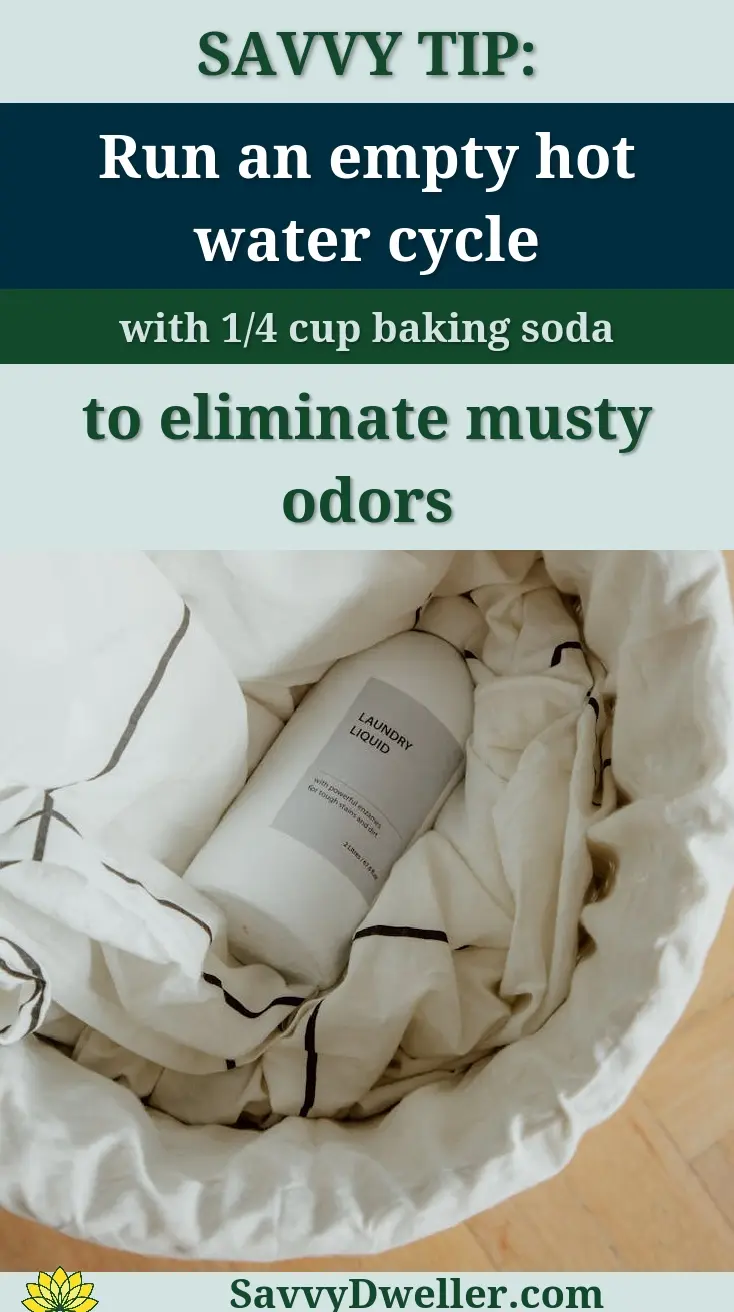
- Run an empty hot water cycle with 2 cups white vinegar in the drum
- Follow immediately with another empty cycle using 1/2 cup baking soda
- Wipe down rubber gaskets and dispensers with a vinegar solution
- Leave the washer door open for 24 hours to air dry completely
- Re-wash affected clothes using half your normal detergent amount
- Add 1/2 cup white vinegar to the fabric softener dispenser during the rinse cycle
Repeat this deep cleaning process monthly to prevent odor buildup from returning, and always use the proper amount of detergent for your load size and water hardness.
4. Visible White Residue or Streaks on Dark Clothes
Chalky streaks, specks, or cloudy patches on black leggings, tees, and jeans are classic signs you used too much laundry detergent. Darks show every leftover particle, especially when rinse water can’t flush the soap fully. To keep dark clothes looking fresh, it’s important to wash them with care. Employing a wash specifically designed to stop dark clothes from fading can make a significant difference.
Too much soap in laundry mixes with minerals and lint to form a film that dries white. Powder fillers and undissolved liquid thickeners make it worse in cold water.
Where Residue Appears Most Often
Residue collects where water drains slowly or fabric compresses. That’s why it looks like lines or brush marks after drying.
- Fold lines and seams pressed tight during spin.
- Along pocket edges, zipper guards, and plackets.
- Elastic waistbands, cuffs, and collars with thicker layers.
- Fleece, performance gear, and leggings (synthetics hold onto surfactants).
- Areas with screen prints or decals where water sheets off.
The Water Temperature Factor
Cold water preserves colors, but it also makes powders harder to dissolve and thick liquid detergents tougher to rinse. Hard water increases residue because minerals bond with surfactants and drop out as film.
- Using powder? Pre-dissolve it in a cup of warm water before adding to the drum or dispenser.
- Using liquid? Dilute the dose with 1–2 cups of warm water in the dispenser so it disperses quickly.
- Choose a “Cold-active” or “Darks” detergent; avoid optical brighteners on dark colors.
- If residue persists, run a warm wash with a cold rinse for dark loads, then select Extra Rinse.
- In hard water, reduce detergent by 25–50% and add a water softening booster to help rinse-out.
Natural Methods to Remove Residue Buildup
You can lift the film without harsh chemicals, then keep it from coming back by using the right amount of laundry detergent. Work gently so you don’t abrade dyes. Dye transfer stains can be particularly stubborn, but there are effective methods to remove them. Following a thorough guide on removing dye transfer stains from clothes can help restore your garments to their original condition.
- Materials: white vinegar, baking soda (optional, separate step), citric acid powder (optional), soft brush, basin or sink, microfiber cloth.
- Shake and brush: While dry, gently brush off loose powdery streaks along seams and folds.
- Vinegar soak: Submerge in cool water with 1 cup white vinegar per gallon for 15–30 minutes to dissolve soap film. Rinse well.
- Stubborn spots: Dab a vinegar-water mix (1:3) onto streaks, massage lightly, and rinse.
- Alternate (separate from vinegar): For heavy buildup on sturdy fabrics, dissolve 1–2 tablespoons baking soda in a basin of cool water, soak 15 minutes, then rinse. Do not mix baking soda and vinegar in the same bath.
- Rewash: Run a short cold cycle with half your usual dose and select Extra Rinse.
- Air dry: Inspect in daylight. Avoid heat until the residue is gone, then launder normally with a reduced dose.

5. Colors Fading Faster Than Expected
If colors look dull after only a few washes, you might be seeing the effects of too much laundry detergent, not just wear and tear. This is one of the clearest signs you use too much detergent.
Residue creates a gray veil, while aggressive formulas sitting in fabric continue to strip dye between washes.
How Excess Detergent Breaks Down Fabric Dyes
- High alkali “builder” levels swell fibers and let dye migrate out more easily.
- Surfactants keep lifting color molecules when there’s more soap than soil to bind.
- Sticky residue increases friction, which scuffs off surface dye and causes pilling.
- Optical brighteners leave a bluish cast that makes rich colors look muted.
- Enzymes can erode certain prints/finishes if overdosed and not rinsed thoroughly.
Protecting Your Favorite Colored Items
Right-size your dose first, then reduce abrasion and heat. This keeps dyes where they belong.
- Measure precisely: For HE washers, use 1–2 tablespoons liquid for a normal load; top-loaders usually need 2–3 tablespoons. Adjust for soil and water hardness.
- Wash cold on a gentle cycle and select Extra Rinse when testing a new detergent.
- Turn garments inside out, zip zippers, and use mesh bags for delicate prints.
- Choose detergents labeled “for darks” without optical brighteners.
- In hard water, add a softening booster and cut detergent by 25–50% to avoid over-sudsing.
- Avoid over-drying and direct sun; line-dry in shade or use low heat.
- Wash similar colors together and use a dye-catching sheet for new items.
Restoring Vibrancy to Faded Clothes
You can’t rebuild lost dye, but you can remove dulling film and sometimes revive depth. Think residue removal first, color care second.
- Materials: white vinegar, color-safe oxygen bleach (for colorfast items), dye fixative (for bleed-prone pieces), fabric dye for deep refresh on blacks/denim, basin, gloves.
- Strip the haze: Soak items in cool water with 1 cup white vinegar per gallon for 20 minutes, then rinse thoroughly.
- Rewash cold: Use half-dose detergent, select Extra Rinse, and skip fabric softener.
- Brighten carefully: For colorfast garments, soak in color-safe oxygen bleach per label. Patch-test a hidden seam first.
- Lock what’s left: On new or bleeding items, use a dye fixative according to directions.
- Deep refresh: For very faded blacks or indigo, re-dye following the product’s stovetop method for the most even results.
- Maintain: Continue using the right amount of laundry detergent, cold water, and gentle cycles.
6. Washing Machine Displaying Error Messages or Draining Slowly
Overdosing creates excess suds and sticky residue that confuses sensors and chokes drains. If you’re wondering “what happens if you put too much detergent in the washer,” this is it: slow drains, SUD/Sd errors, and repeated rinse cycles.
Too much soap in washing machine systems mixes with lint to form a paste that coats hoses, the drain pump, and the pressure sensor tube. Using dish soap in washing machines can seem convenient, but it’s essential to be cautious with the amounts. An excess of dish soap can lead to similar problems, creating clogs and operational issues.
Detergent Buildup in Machine Components
- Detergent drawer and dispenser pathways gummed up with gelled soap.
- Door gasket (front-load) holding milky film and trapped water.
- Pressure switch hose partially blocked, triggering incorrect water-level readings.
- Drain pump and filter clogged with “soap-lint” paste.
- Outer tub and recirculation lines layered with biofilm that feeds on leftover surfactants.
Signs Your Washer Needs Deep Cleaning
- Washer shows SUD/Sd, LD/LO, F9/E1, or “drain”/“check filter” messages.
- Water lingers at the end of cycles or drains slowly.
- Gray flakes or streaks on laundry even with small soap doses.
- Slimy detergent drawer or sour odor from the drum.
- Foam visible during the rinse phase or in the standpipe.
- Glass door film and puddling inside the gasket.
Preventing Future Machine Problems
Think less soap, better rinse, regular maintenance. That’s how to tell if you used too much detergent and stop it from snowballing.
- Right-size detergent: HE loads need about 1–2 tablespoons liquid; standard top-loaders 2–3 tablespoons. Reduce by 25–50% in soft water.
- Prefer HE, low-suds formulas; never use regular detergent in an HE washer.
- Pre-dissolve powders and choose warm wash when using powder; rinse cold to protect colors.
- Run a monthly “Clean Washer” cycle with 1 cup citric acid or a washer cleaner to dissolve scale and soap film.
- After each wash, leave the door open, pull out the drawer, and wipe the gasket, glass, and dispenser with a microfiber cloth.
- Clean the drain pump filter (front-load) every 1–3 months; check your manual for access steps.
- Handle hard water: Use a softening booster and reduce detergent to avoid signs of too much detergent in washing machine components.
- Avoid overloading: Fill HE drums about 2/3 full loosely; top-loaders to the top of the agitator fins.
- If you see the signs you use too much soap (slick feel, suds in rinse), run Extra Rinse and cut your dose next time.
HE Washer Specific Issues
HE machines use low water volumes, so overdosing is amplified and frequently triggers SUD/Sd errors. You may also see Maytag washer too much detergent messages or extended rinse times.
- Use HE-labeled, low-sudsing formulas only; start with 1 tablespoon for small loads.
- Pull and rinse the detergent drawer weekly; scrub the siphon nozzles and channels.
- Clean the drain pump filter and inspect the pressure hose for slime; clear any blockage.
- Run a hot “Clean Washer” cycle with citric acid, then an Extra Rinse to remove loosened residue.
- Enable “Extra Rinse” for bulky or dark loads while you recalibrate your dose.
Top-Loading Machine Concerns
Top-loaders often hide a scum ring under the rim and residue under the agitator or impeller plate. This gunk sheds onto clothes and can slow draining when foam collects in the standpipe.
- Remove and clean the fabric softener cup and, if possible, the agitator cap; scrub with hot water and vinegar (1:1), then rinse.
- Run a hot, deep-fill soak with 1 cup washing machine cleaner or 1 cup citric acid for 1 hour; complete a full cycle.
- Wipe the tub lip, underside of the rim, and any visible scum with vinegar solution; flush with a rinse.
- Switch to measured doses: 2–3 tablespoons liquid for a regular load, less for small or soft water.
- If draining slowly, check the standpipe for foam overflow and reduce detergent to stop over-sudsing.
Using the right amount of laundry detergent keeps colors true, prevents residue, and protects your washer from avoidable repairs. If you’re asking “do you use too much detergent?” start by halving your dose and adding an Extra Rinse-your clothes and machine will tell you quickly if that’s the sweet spot.
The Science Made Simple: Why This Problem Happens
How Detergent Actually Works to Clean Clothes
Detergent is a blend of surfactants, enzymes, and helpers that lift soil, break it apart, and keep it floating until the rinse washes it away. Surfactants have two ends-one loves water, one grabs oils-so they form tiny “micelles” that trap grime. Enzymes (like protease, amylase, and lipase) cut protein, starch, and fat stains into smaller, washable pieces.
Builders (such as sodium citrate, washing soda, or zeolites) bind hard-water minerals so surfactants can work. Polymers and anti‑redeposition agents (like CMC) keep dirt from settling back on fibers. If you pour in too much laundry detergent, extra micelles and suds don’t make water “cleaner”; they just make rinsing harder, leaving residue behind.
The Point Of Diminishing Returns With Soap
After a small sweet spot, more soap stops helping and starts hurting. Once surfactants pass their “critical micelle concentration,” extra detergent mostly boosts foam and thickness, not cleaning power. That foam cushions fabrics, reducing the scrub/tumble action your washer needs.
Excess suds trap soils and fragrances, so rinses take longer to clear. That’s why “Are You Using Too Much Laundry Detergent?” is a real question-too much soap in washing machine cycles leads to dingy fabric, musty smells, and error codes.
Water Hardness Impact on Detergent Effectiveness
Hard water ties up detergent; soft water supercharges it. Calcium and magnesium in hard water grab surfactant heads, creating film and soap scum. In soft water, the same dose can be overpowering, causing slippery, hard-to-rinse loads-the classic signs you use too much detergent.
Typical ranges (as CaCO3): soft 0–60 ppm, moderately hard 61–120 ppm, hard 121–180 ppm, very hard >180 ppm. These numbers matter because they shift how much laundry soap you should use.
Soft Water Areas Need Less Detergent
With soft water, start low-then go lower. A normal label dose often becomes detergent too much for soft water, leading to residue and extra suds. If you’ve wondered “how much laundry soap do you use?” in soft water, use the smallest line on the cap or about 25–50% less than the label.
- Start with a reduced dose (for HE liquids, about 1 tablespoon for a small/medium load).
- Run the wash and do a “rinse feel test”: if fabrics feel slick or you see suds in the final rinse, you used too much.
- Trim the dose in 25% steps until rinse water is clear and clothes feel clean, not slippery.
Hard Water Areas and Mineral Interaction
Hard water consumes detergent, so pair your dose with a water softening helper instead of just pouring more. Minerals bind surfactants and leave gray film-classic signs of too much detergent in laundry mixed with hard water minerals.
- Useful boosters: washing soda (sodium carbonate), borax, or a liquid water conditioner; detergents labeled with builders (citrate/zeolite) also help.
- Helpful tools: water hardness test strips; manufacturer dosing guides; HE, low‑sudsing formulas.
- Test your water (strip or utility report).
- Add a booster per label, then use the normal or slightly reduced detergent dose.
- If no booster, increase detergent modestly (about 25%), not wildly-too much soap in laundry will still over-suds and under‑rinse.
- Periodically run a hot maintenance cycle to purge mineral‑detergent film.
Common Mistakes to Avoid
Using the Cap As a Measuring Tool Without Reading Lines
Detergent caps are big; the correct dose line is small. Filling to the brim can be 3–5× the needed amount-one reason for signs of too much detergent in washing machine tubs like lingering suds.
- Find the embossed lines inside the cap; note which line matches your load size and machine type (HE vs. standard).
- Switch to a small measuring spoon or medicine cup and label it “laundry only” for repeat accuracy.
- Use a permanent marker to highlight the right line on the cap, then store the cap upright to avoid habit-filling.
Assuming More Detergent Equals Cleaner Clothes
More soap doesn’t mean cleaner-it means harder to rinse. Too much laundry detergent can trap odors, fade colors, and trigger “SUD” or “Sd” errors in HE units, including a Maytag washer too much detergent alert.
- Adopt a “lowest effective dose” rule: start small and increase only if soils persist.
- Check mid‑wash: if foam blankets the window or lid, you’ve hit the signs you added too much detergent.
- Reset a gunky wardrobe: run a rinse+spin, then a short wash with no detergent to clear buildup.
Ignoring Load Size When Measuring Detergent
Dose by load size and soil level, not by habit. A half‑load with a full cap is the fastest path to too much soap in washing machine cycles and dull fabrics.
- Size the load: small (3–4 kg), medium (5–6 kg), large (7–8+ kg). Aim for a drum that’s loosely full-clothes can tumble.
- HE liquids: as a starting point, small 1 tbsp, medium 1.5 tbsp, large 2 tbsp. Standard top‑loader: small 2 tbsp, medium 3 tbsp, large 4 tbsp.
- Heavy soil? Add time or temperature first; add detergent last.
Using Regular Detergent in HE Machines
HE washers need low‑sudsing formulas to clean and rinse correctly. Using regular detergent creates foam that reduces mechanical action and leaves residue-the textbook signs of too much laundry detergent in HE systems.
- Use products labeled “HE” or “low‑sudsing.”
- If you accidentally used regular detergent, cancel and run a rinse+spin, then a short cycle without detergent to deflate foam.
- Clean the machine: run the tub clean cycle or a hot empty wash with a washer cleaner to clear leftover suds film.
Never Adjusting for Water Hardness Levels
Hardness varies by location, so the “right” dose changes too. Not adjusting can make you think, “does too much detergent ruin clothes?” when the real culprit is minerals plus overdosing.
- Test once with strips, then recheck seasonally or after moving.
- Soft water: cut dose 25–50% and watch for slick feel in the rinse as a sign to reduce more.
- Hard water: add a booster and keep doses modest; without a booster, increase detergent only slightly and monitor for residues.
- Track results for a week: clearer rinse water and zero musty notes mean you’ve nailed using the right amount of laundry detergent.
If you’ve been asking “what happens if you put too much detergent in the washer,” the short answer is residue, odor, and wear-so fine‑tuning dose to your water and machine pays off fast. These tweaks make it easy to tell how to tell if you used too much detergent and fix it before it shows up on your clothes.
Frequently Asked Questions
Can Overusing Laundry Detergent Void My Washing Machine Warranty?
Yes, excessive detergent use can lead to residue buildup that clogs pumps and sensors, potentially causing malfunctions not covered under warranty. Manufacturers often specify detergent limits in the manual, and ignoring these may be considered misuse. To protect your warranty, always measure detergent accurately and use HE detergent for HE machines as recommended.
What is the Environmental Impact Of Using Too Much Detergent?
Overusing detergent increases chemical runoff into waterways, harming aquatic life and contributing to water pollution. Phosphates and surfactants in excess can cause algal blooms and reduce water quality. By using the correct amount, you minimize waste and choose eco-friendly, biodegradable detergents for a smaller environmental footprint.
How Can I Safely Reduce Detergent Use Without Sacrificing Cleanliness?
Start by cutting your current detergent amount by 25-50% and run a test load to check for cleanliness. Pre-treat stains directly instead of adding extra detergent, and use the washer’s recommended cycle for load size. For HE machines, ensure you’re using high-efficiency detergent, which is concentrated and requires less product per load.
Final Words
Recognizing these telltale signs means you’re already ahead of most people who struggle with laundry problems without knowing the cause. The good news is that fixing detergent overuse is remarkably straightforward once you know what to look for. Start by cutting your current detergent amount in half and watch how your clothes, washing machine, and wallet all benefit from this simple change.
Your laundry routine doesn’t have to be complicated to be effective. By following the measurement guidelines we’ve outlined and paying attention to these warning signs, you’ll save money while achieving better cleaning results. Remember that less truly is more when it comes to detergent effectiveness.
Ready to transform your laundry experience? Put these solutions into practice this week and notice the difference in your clothes’ feel, smell, and appearance. For more practical home solutions and wellness tips that actually work, explore Savvy Dwelling where we share research-backed advice to make your daily routines simpler and more effective.