
The Right Way to Clean and Season a Cast-iron Skillet
Staring at your cast-iron skillet with its sticky surface, rust spots, or food residue that just won’t budge? You’re not alone in feeling frustrated when your once-reliable cookware starts looking more like a science experiment than kitchen equipment. The conflicting advice online about soap versus no soap, oil types, and cleaning methods can leave you second-guessing every step.
This guide cuts through the confusion with proven, step-by-step methods that actually work for both novice and experienced home cooks. We’ll walk you through five specific techniques—from quick post-cooking cleans to complete rust recovery—so you can transform your skillet back into the non-stick, durable workhorse it’s meant to be. No more guesswork, just clear instructions that restore your cast-iron confidence.
Contents
- At a Glance: The Best Solutions
- 1. The Immediate Post-cooking Clean Method
- 2. The Deep Clean Method for Stuck-on Food
- 3. The Complete Seasoning Process
- 4. The Rust Removal and Recovery Method
- 5. The Maintenance Touch-up Method
- The Science Made Simple: Why Cast-iron Skillets Need Special Care
- When to Clean Vs. When to Re-season Your Cast-iron Skillet
- Common Mistakes to Avoid When Caring for Cast-iron Skillets
- Frequently Asked Questions
- Closing Thoughts
At a Glance: The Best Solutions
Caring for your cast iron skillet doesn’t have to be intimidating once you know the right methods. The key is matching the cleaning technique to your skillet’s current condition and what you just cooked in it.
For everyday cooking residue, the immediate post-cooking clean method works perfectly. You’ll use warm water and gentle scrubbing to remove food particles while the pan is still warm. However, when it comes to removing baked grease from pots and pans, a more thorough approach may be needed. Consider employing baking soda and vinegar to break down stubborn grease for a more effective clean.
When dealing with stubborn, stuck-on food, the deep clean method employs coarse salt or a chainmail scrubber to tackle tough spots without damaging your seasoning layer.
The complete seasoning process transforms your skillet into a naturally non-stick cooking surface through careful oil application and heat treatment. This method rebuilds the protective coating that makes cast iron so beloved by home cooks.
If rust has appeared on your skillet, don’t panic. The rust removal and recovery method uses steel wool to eliminate corrosion, followed by immediate re-seasoning to prevent future damage. To maintain your skillet’s longevity, it’s also important to consider techniques to restore rusted metal surfaces effectively. This approach can breathe new life into not just cookware, but various metal objects in your home.
Finally, the maintenance touch-up method keeps your well-seasoned skillet in peak condition with quick oil applications between uses. This simple routine prevents most common cast iron problems before they start.
Each method serves a specific purpose in cast iron skillet maintenance. Understanding when to use which technique will keep your cookware performing beautifully for decades to come.
1. The Immediate Post-cooking Clean Method
How It Works
The immediate post-cooking clean method tackles food residue while it’s still manageable. Cleaning your cast iron skillet while it’s still warm prevents food particles from bonding permanently to the seasoning layer. Similarly, when dealing with burnt crock pots, addressing the mess quickly can make a significant difference. Finding the best way to clean a burnt crock pot slow cooker often involves using baking soda or vinegar to effectively lift those stubborn stains.
This gentle approach preserves the protective seasoning you’ve worked so hard to build. Think of it as maintenance cleaning rather than deep scrubbing—you’re working with your skillet’s natural properties instead of against them.
What You’ll Need
- Warm water
- Plastic or wooden scraper
- Stiff-bristled brush or scrub pad
- Paper towels or clean cloth
- Small amount of mild dish soap (optional)
- Thin layer of cooking oil
Step-by-step Instructions
Removing Food Particles
- Allow the skillet to cool for 2-3 minutes after cooking—it should be warm but not scorching hot to handle.
- Use a plastic or wooden scraper to gently remove large food particles while the pan is still warm.
- Scrape in smooth, even strokes following the pan’s natural curve to avoid scratching the seasoning.
- Empty loose debris into the trash rather than down the drain to prevent plumbing issues.
The Gentle Wash Process
- Rinse the warm skillet under hot running water to remove remaining food particles.
- Add a small drop of mild dish soap if needed—contrary to old beliefs, soap won’t harm properly seasoned cast iron.
- Use a stiff brush or scrub pad to gently clean the surface with circular motions.
- Focus extra attention on areas where food tends to stick, like the center and sides of the pan.
- Rinse thoroughly with hot water until all soap residue disappears.
Proper Drying Technique
- Immediately dry the skillet completely with paper towels or a clean cloth—never air dry cast iron.
- Place the skillet on the stove over medium heat for 1-2 minutes to evaporate any remaining moisture.
- Apply a thin layer of cooking oil while the pan is still warm, wiping away excess with a paper towel.
- Heat for another 1-2 minutes until the oil stops smoking, then remove from heat.
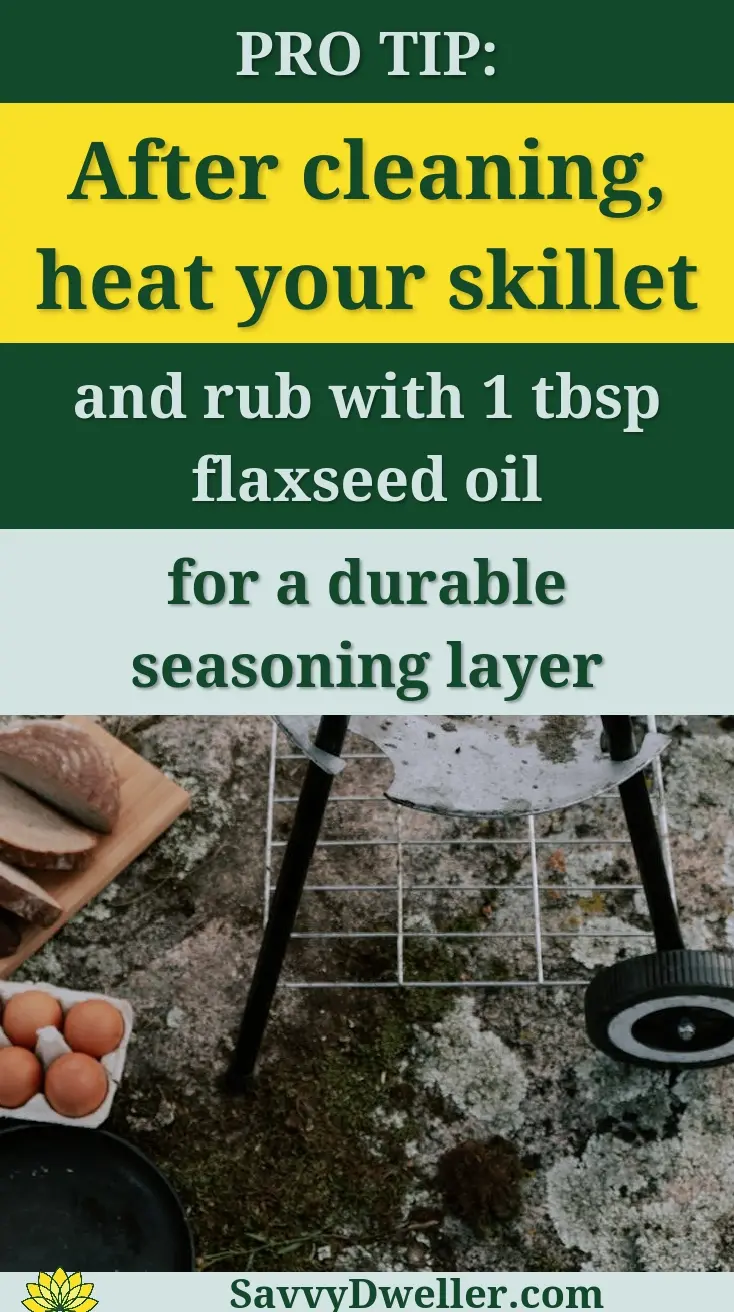
2. The Deep Clean Method for Stuck-on Food
How It Works
When food becomes stubbornly stuck to your cast iron skillet, aggressive scrubbing can damage the seasoning layer. The deep clean method uses abrasive materials strategically to remove stubborn residue while protecting the underlying iron surface. For similar challenges in the kitchen, knowing how to clean burnt food off pots and pans can save you time and effort. Techniques like soaking the cookware or using baking soda can effectively lift tough grime without causing harm.
This approach combines the natural scrubbing power of coarse salt with specialized tools designed for cast iron maintenance. You’re essentially using controlled abrasion to reset the surface without starting completely over.
What You’ll Need
- Coarse kosher salt or sea salt
- Chainmail scrubber or cast iron scrub pad
- Paper towels
- Warm water
- Cooking oil for re-seasoning
- Stiff-bristled brush
Step-by-step Instructions
Salt Scrub Technique
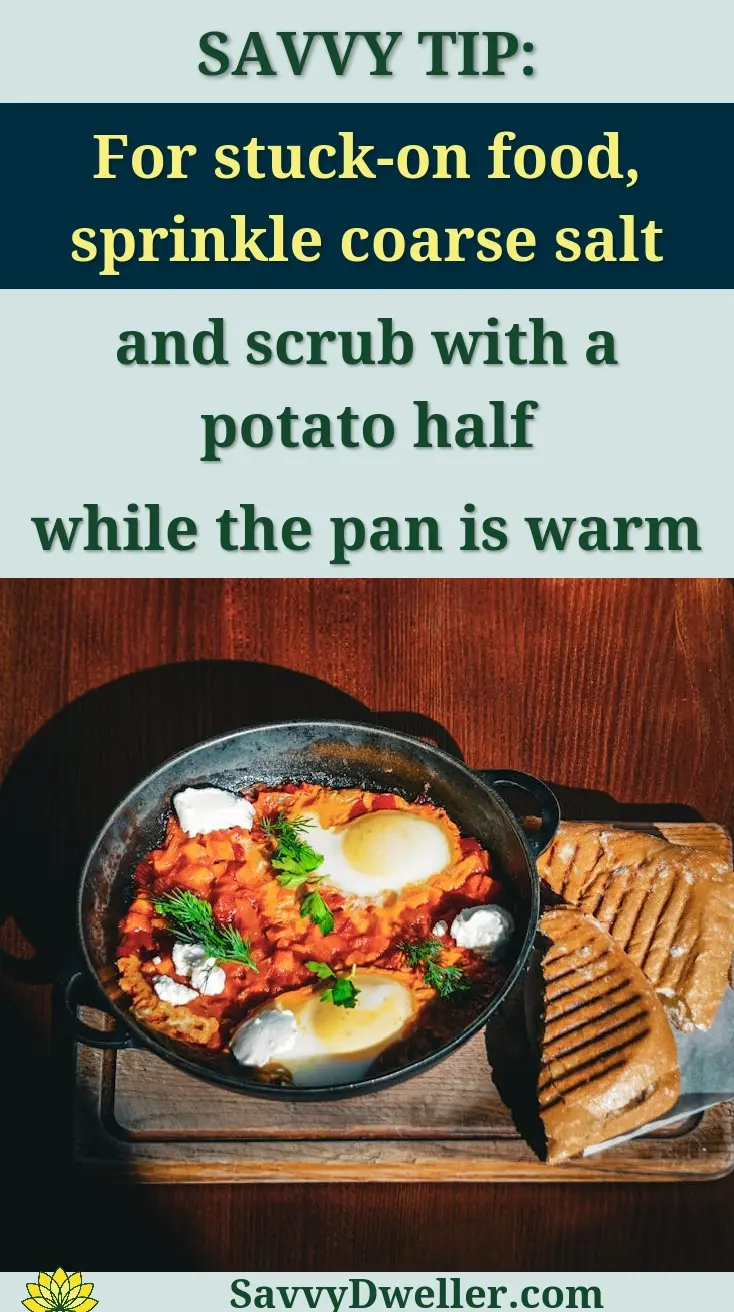
- Pour 2-3 tablespoons of coarse salt directly into the cooled skillet, covering problem areas.
- Use a paper towel or cloth to scrub the salt in circular motions, applying firm pressure.
- The salt acts as an abrasive that breaks down stuck-on food without damaging the iron underneath.
- Add small amounts of warm water if needed to create a paste-like consistency.
- Continue scrubbing until food particles break free and the surface feels smooth.
Chainmail Scrubber Method
- Rinse away salt residue with warm water, then assess remaining stuck areas.
- Use a chainmail scrubber with gentle pressure, working in small circular motions.
- Focus on one section at a time rather than scrubbing the entire surface randomly.
- The chainmail removes stubborn bits while conforming to the pan’s surface without gouging.
- Rinse frequently to remove loosened particles and prevent them from re-adhering.
Final Cleaning Steps
- Rinse the skillet thoroughly with hot water to remove all salt and food particles.
- Use a stiff brush to clean any remaining debris from crevices or textured areas.
- Dry immediately and completely with paper towels—moisture is cast iron’s biggest enemy.
- Heat the skillet on the stove for 2-3 minutes to ensure complete moisture evaporation.
- Apply a light coating of oil while warm and heat until it stops smoking.
Also See: What Smells Do Roaches Hate? 8 Scents to Keep Them Away
3. The Complete Seasoning Process
How It Works
Seasoning creates a polymerized layer of oil that bonds chemically to the iron surface. This process transforms liquid cooking oil into a hard, protective coating that prevents rust and creates a naturally non-stick surface.
Heat triggers a chemical reaction called polymerization, where oil molecules link together to form long chains. These chains create the smooth, dark patina that makes cast iron skillets so prized by serious cooks.
What You’ll Need
Best Oils for Seasoning
- Flaxseed oil (premium choice for durability)
- Grapeseed oil (high smoke point, neutral flavor)
- Canola oil (affordable, readily available)
- Vegetable shortening (traditional choice)
- Avocado oil (extremely high smoke point)
Essential Tools
- Paper towels or lint-free cloths
- Oven thermometer
- Aluminum foil or baking sheet
- Oven mitts
- Well-ventilated area or exhaust fan
Step-by-step Instructions
Oven Method
- Preheat your oven to 450-500°F (230-260°C) depending on your chosen oil’s smoke point.
- Clean the skillet thoroughly and dry completely before beginning the seasoning process.
- Apply a thin layer of oil to the entire skillet, inside and out, including the handle.
- Wipe away excess oil with paper towels—the surface should look almost dry with just a slight sheen.
- Place the skillet upside down on the middle oven rack with foil on the bottom rack to catch drips.
- Bake for one hour, then turn off the oven and let the skillet cool completely inside.
- Repeat this process 3-4 times for new skillets or 1-2 times for maintenance seasoning.
Stovetop Method
- Place the clean, dry skillet on your stove over medium heat until it begins to smoke lightly.
- Remove from heat and apply a small amount of oil, spreading it evenly with a paper towel.
- Return to heat and continue heating until the oil stops smoking and the pan looks dry.
- Remove from heat and wipe with a clean paper towel to remove any excess oil.
- Repeat 2-3 times in the same session for best results.
- Allow to cool completely before storing.
Cooling and Storage
- Never put hot cast iron in cold water or cold environments—thermal shock can cause cracking.
- Allow the skillet to cool gradually at room temperature for at least 30 minutes.
- Store in a dry location with good air circulation to prevent moisture buildup.
- Place a paper towel inside the skillet to absorb any residual moisture.
- For humid climates, store with the lid slightly ajar or in a low-humidity area.
- Check monthly for any signs of rust or deteriorating seasoning that needs attention.
4. The Rust Removal and Recovery Method
How It Works
Don’t panic if you spot rust on your cast iron skillet. Rust removal works by mechanically abrading the oxidized iron surface and creating a fresh foundation for new seasoning. Proper techniques can make the process safe and effective. Following the right steps ensures that your skillet remains a cherished kitchen tool for years to come.
This method essentially strips away the compromised layer and prepares the iron for a complete restoration. Think of it as giving your skillet a fresh start, much like cleaning the bottom of an iron to remove burnt residue.
What You’ll Need
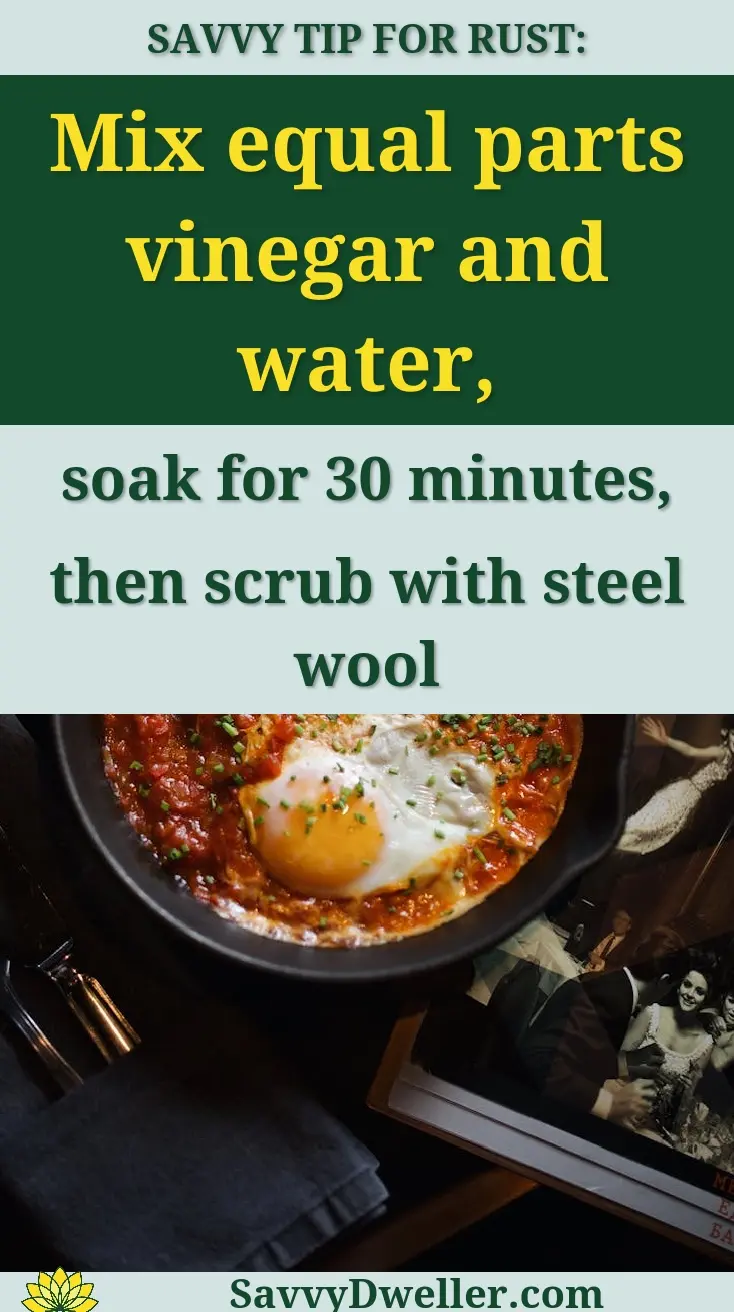
- Fine steel wool (#0000 grade)
- Coarse salt
- Vegetable oil or flaxseed oil
- Paper towels
- Aluminum foil (optional backup)
- Rubber gloves
Step-by-step Instructions
Steel Wool Treatment
- Put on rubber gloves to protect your hands from metal particles.
- Scrub the rusted areas with fine steel wool using circular motions.
- Apply gentle but consistent pressure – you’re removing rust, not creating gouges.
- Sprinkle coarse salt over stubborn spots to create extra abrasion.
- Continue scrubbing until you see bare metal underneath.
- Rinse the skillet thoroughly with warm water.
- Dry immediately with paper towels to prevent flash rusting.
Re-seasoning After Rust Removal
- Place the clean, dry skillet on the stovetop over medium heat for 2-3 minutes.
- Remove from heat and apply a thin layer of oil while the pan is still warm.
- Wipe away excess oil with paper towels – the surface should look almost dry.
- Place the skillet upside-down in a 450°F oven for one hour.
- Turn off the oven and let the skillet cool completely inside.
- Repeat this seasoning process 2-3 times for maximum protection.
5. The Maintenance Touch-up Method
How It Works
Regular maintenance prevents major problems before they start. Touch-up seasoning reinforces weak spots in your skillet’s protective coating and maintains its non-stick properties.
This quick process takes just minutes but adds years to your cast iron’s life. Consider it preventative medicine for your cookware.
What You’ll Need
- High-heat cooking oil (avocado, grapeseed, or vegetable oil)
- Clean cloth or paper towels
- Your stovetop or oven
Step-by-step Instructions
Quick Oil Application
- Clean your cast iron skillet using your preferred method.
- Dry the skillet completely – even the smallest water droplets can cause issues.
- Apply 1/4 teaspoon of oil to the entire surface while the pan is at room temperature.
- Use a clean cloth to spread the oil evenly across all surfaces, including the handle and bottom.
- Buff away any excess oil until the surface appears nearly dry.
Heat Treatment
- Place the oiled skillet on your stovetop over medium-high heat.
- Heat for 2-3 minutes until you see the oil begin to smoke slightly.
- Remove from heat and let cool completely.
- Alternatively, place in a 400°F oven for 15 minutes, then cool.
- Store in a dry location until your next cooking session.
The Science Made Simple: Why Cast-iron Skillets Need Special Care
Understanding the Seasoning Layer
Seasoning isn’t just oil sitting on your pan’s surface. It’s actually a polymerized layer of fat molecules that have chemically bonded to create a naturally non-stick coating.
This microscopic layer acts like armor for your cast iron. It protects the metal from moisture while creating that coveted smooth cooking surface.
Each time you properly season your skillet, you’re building up these protective layers. More layers mean better protection and improved cooking performance.
Why Water and Air Are Cast Iron’s Enemies
Iron oxidizes when exposed to oxygen and moisture – that’s just basic chemistry. Without proper seasoning and care, your skillet will develop rust within hours of exposure to humid air.
The seasoning layer creates a barrier that prevents oxygen and water molecules from reaching the iron surface. Break that barrier, and rust formation accelerates rapidly.
Even trace amounts of moisture can cause problems. That’s why thorough drying is so critical after each cleaning session.
The Chemistry Of Polymerization
When you heat oil on cast iron above its smoke point, the fat molecules break down and reform into long chains called polymers. These polymer chains cross-link to form a durable, plastic-like coating that bonds directly to the iron surface.
This process explains why proper seasoning requires high heat – you need temperatures around 400-500°F to trigger polymerization. Lower temperatures just leave sticky oil residue instead of creating that hard, protective layer.
Different oils polymerize at different rates and create varying levels of durability. Flaxseed oil creates the hardest finish, while vegetable oils offer good all-around performance for most home cooks.
When to Clean Vs. When to Re-season Your Cast-iron Skillet
Knowing whether your skillet needs a simple clean or a complete re-seasoning can save you time and preserve your cookware’s performance. The difference between basic maintenance and full restoration depends on what you see and feel on your skillet’s surface.
Signs Your Skillet Needs Basic Cleaning
Your cast iron skillet just needs routine cleaning when you notice these indicators. These are normal after-cooking situations that don’t require drastic measures.
- Food particles stuck to the surface after cooking
- Light oil residue or grease buildup
- Slight discoloration from high-heat cooking
- Minor staining from acidic foods like tomatoes
- The surface still feels smooth to the touch
- Water still beads up on the cooking surface
These situations call for your standard post-cooking clean method or a gentle deep clean with salt scrubbing. The seasoning layer remains intact and protective.
Signs Your Skillet Needs Full Re-seasoning
Complete re-seasoning becomes necessary when your skillet’s protective layer has been compromised. You’ll know it’s time when you spot these telltale signs.
- Visible rust spots anywhere on the surface
- Food consistently sticks during cooking
- Dull, gray appearance instead of dark, glossy finish
- Rough or flaky texture when you run your fingers across it
- Water soaks into the surface instead of beading
- Strong metallic taste transferring to your food
Don’t panic if you see these signs – even severely neglected cast iron skillets can be fully restored with proper re-seasoning. The process just takes more time and effort than regular cleaning.
Maintenance Schedule for Peak Performance
Following a consistent maintenance routine keeps your cast iron skillet in prime condition. Most skillets thrive with this simple schedule based on usage frequency.
After every use:
- Clean immediately while still warm
- Dry thoroughly and apply thin oil layer
- Heat briefly to set the oil
Weekly (for frequent users):
- Inspect for any rough spots or discoloration
- Perform maintenance touch-up if needed
Monthly:
- Deep clean with salt scrub method
- Apply fresh seasoning layer
- Check storage area for humidity issues
Seasonally:
- Complete visual inspection of entire skillet
- Full re-seasoning if performance has declined
- Replace storage materials if needed
Common Mistakes to Avoid When Caring for Cast-iron Skillets
Even well-intentioned care can damage your cast iron skillet if you fall into these common traps. Understanding these mistakes helps you maintain your cookware’s seasoning and prevents costly restoration projects.
The Dishwasher Trap
The dishwasher represents the fastest way to destroy your cast iron skillet’s seasoning. High-temperature water, harsh detergents, and extended moisture exposure strip away protective layers.
Never put cast iron skillets in the dishwasher, even for “just this once” convenience. The combination of alkaline detergents and prolonged water contact creates the perfect storm for rust formation.
Hand washing takes less than five minutes and preserves months of seasoning work. Your skillet will thank you with decades of non-stick performance.
Over-oiling During Seasoning
More oil doesn’t equal better seasoning – it creates sticky, gummy surfaces that attract dirt and debris. The goal is an ultra-thin layer that polymerizes into a hard, smooth finish.
Excess oil pools in pan crevices and never fully converts during heating. This creates tacky spots that feel unpleasant and perform poorly during cooking.
Apply oil sparingly, then wipe away everything you think you need. The microscopic amount remaining provides optimal seasoning results.
Skipping the Heat Step
Simply wiping oil onto your clean cast iron skillet won’t create proper seasoning. Heat transforms liquid oil into the polymerized coating that makes cast iron naturally non-stick.
Without adequate heating, oil remains in its liquid state and eventually turns rancid. This creates foul odors and poor cooking performance.
Always heat your freshly oiled skillet until you see light smoke. This visual cue confirms the oil has reached polymerization temperature and properly bonded to the iron.
Using the Wrong Cleaning Tools
Aggressive cleaning tools damage seasoning faster than any other maintenance mistake. Steel wool, harsh scouring pads, and metal scrapers remove the protective layers you’ve worked to build.
Stick to chainmail scrubbers, coarse salt, and plastic scrapers for stuck-on food removal. These materials clean effectively without gouging the seasoning.
Even stiff-bristled brushes can be too aggressive for delicate seasoning layers. Gentle persistence works better than brute force for cast iron skillet cleaning.
Improper Storage Practices
Where and how you store your cast iron skillet affects its long-term condition. Humid environments, stacked cookware, and enclosed spaces create problems. To keep your skillet in top shape, it’s also essential to deodorize it from time to time. This simple maintenance will help ensure your skillet remains fresh and ready for use.
Store cast iron skillets in dry locations with good air circulation. Avoid plastic bags, sealed containers, or damp cabinets where moisture accumulates.
Place paper towels between stacked skillets to prevent scratching. Consider hanging storage or open shelving for frequently used pieces.
Check stored skillets monthly for any signs of rust or oil rancidity, especially during humid seasons when moisture poses the greatest threat to properly maintained cast iron.
Frequently Asked Questions
Can I Cook Acidic Foods Like Tomatoes or Wine in My Cast-iron Skillet?
Yes, but with caution. Acidic ingredients can gradually break down the seasoning layer, leading to potential rust or a metallic taste. For short-term cooking, like a quick simmer, a well-seasoned skillet can handle it, but avoid prolonged exposure, such as slow-simmering sauces for hours.
To minimize damage, always re-oil your skillet immediately after cooking acidic foods to reinforce the seasoning. If you frequently cook acidic dishes, consider using an enameled cast-iron skillet instead, which has a protective coating.
Is It Necessary to Preheat My Cast-iron Skillet Before Cooking?
Absolutely. Preheating ensures even heat distribution, which prevents hot spots and helps food cook uniformly. Start on low heat for 3-5 minutes, then gradually increase to your desired temperature-this avoids thermal shock and preserves the skillet’s integrity.
Preheating also enhances the non-stick properties of the seasoning. Adding oil or fat to a properly heated skillet creates a better sear and reduces sticking, making cleanup easier. Always preheat empty, and test by sprinkling water droplets; if they sizzle and evaporate quickly, it’s ready.
What Should I Do if My Skillet Smokes Excessively During Seasoning?
Excessive smoke indicates the oil is overheating and may burn, creating a sticky residue. Immediately reduce the heat or turn off the oven/stovetop. Let the skillet cool slightly, then wipe it with a clean cloth to remove any excess oil that caused the smoking.
Restart the process at a lower temperature-aim for around 400-450°F (200-230°C) for most oils. A light, steady smoke is normal during polymerization, but heavy smoke means the heat is too high. Always use a thin, even layer of oil to avoid this issue.
Are There Any Health Risks Associated With Using Cast-iron Cookware?
Cast iron is generally safe, but it can leach small amounts of iron into food, which is beneficial for people with iron deficiency but may be excessive for others. This is more common with acidic foods or new, less-seasoned skillets.
To manage iron intake, maintain a robust seasoning layer to act as a barrier. If you have hemochromatosis (iron overload), consult a doctor. Otherwise, the iron boost is minimal and often considered a health perk when used in moderation. Ensuring adequate iron in your diet is essential for fighting fatigue and anemia. Incorporating top iron-rich foods can make a significant difference in your overall health and energy levels.
Closing Thoughts
Your cast-iron skillet can become your most trusted kitchen companion with the right care routine. The methods we’ve shared aren’t just theory – they’re time-tested techniques that transform even the most neglected skillets into smooth, non-stick cooking surfaces that rival any modern pan.
Start with whichever method matches your skillet’s current condition, and don’t get discouraged if your first attempt isn’t perfect. Cast iron is forgiving, and each cleaning and seasoning session builds upon the last. The key is consistency – a few minutes of proper care after each use saves hours of restoration work later.
Ready to bring your cast iron back to life? Pick the method that fits your situation and give it a try tonight. For more kitchen wisdom and home solutions that actually work, explore Savvy Dwelling – we’re here to help you master the art of practical home care, one reliable tip at a time.