A Parent’s Guide to Getting Crayon Off Walls, Furniture, and Clothes
Ever walked into a room to find your little artist has decorated more than just their coloring book? You’re definitely not alone in discovering crayon masterpieces on walls, furniture, and favorite clothing items. That sinking feeling when you spot waxy streaks across your freshly painted wall or embedded in your couch fabric is something most parents know all too well.
This guide breaks down the most effective, tested methods for removing crayon from every surface in your home. We’ve simplified the science behind why different approaches work for different materials, giving you clear, step-by-step solutions that actually work. You’ll have the confidence to tackle any crayon mishap quickly and completely, without damaging your belongings or spending hours scrubbing.
Contents
- At a Glance: The Best Solutions
- The Science Made Simple: Why This Problem Happens
- 1. The Heat and Oil Method for Painted Walls
- 2. The Oil-based Removal Method for Wood Furniture
- 3. The Ice and Scraping Method for Upholstery
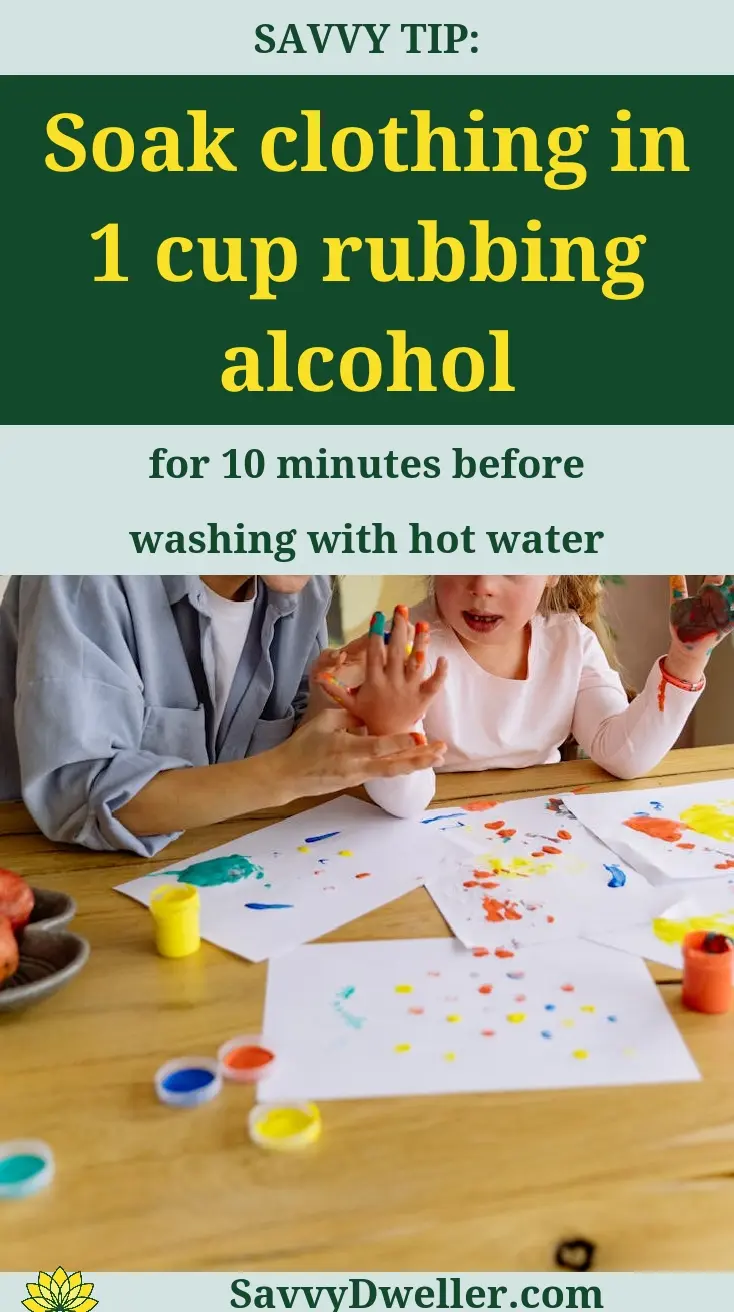
- 4. The Pre-treatment Method for Clothing
- 5. The Gentle Oil Method for Leather Surfaces
- 6. The Rubbing Alcohol Method for Quick Fixes
- 7. The Eraser Method for Light Marks
- Common Mistakes to Avoid
- 5 Habits to Keep Crayon Accidents From Coming Back
- Frequently Asked Questions
- Final Words
At a Glance: The Best Solutions
| Surface Type | Best Method | Time Required | Household Items Needed |
|---|---|---|---|
| Painted Walls | Heat + Oil Method | 5-10 minutes | Hair dryer, mayonnaise or cooking oil |
| Wood Furniture | Oil-Based Removal | 10-15 minutes | Olive oil, soft cloth, dish soap |
| Upholstery | Ice + Scraping Method | 15-20 minutes | Ice cubes, plastic scraper, rubbing alcohol |
| Clothing | Pre-treat + Hot Wash | 30+ minutes | Rubbing alcohol, dish soap, hot water |
| Leather | Gentle Oil Method | 5-8 minutes | Baby oil, soft microfiber cloth |
The Science Made Simple: Why This Problem Happens
Understanding Crayon Composition
Crayons are primarily made of paraffin wax and colored pigments. Paraffin is a soft, solid hydrocarbon derived from petroleum, and it’s this waxy base that gives crayons their smooth texture-and their stubborn staying power on surfaces. Because wax is oil-based, it doesn’t dissolve in water, which is why rinsing alone rarely works for removing crayon.
Why Crayon Sticks to Different Surfaces
Wax adheres differently depending on a surface’s porosity and finish. On smooth painted walls, crayon sits on top, making it easier to lift. Wood furniture, especially unfinished or matte-finished pieces, can absorb some wax, embedding pigment deeper. Fabric fibers trap crayon particles, while leather’s natural oils can blend with wax, creating a smeared stain that’s tricky to isolate.
Temperature and Texture Factors
Heat softens wax, making it more pliable-but too much can melt it into pores or fibers, worsening the stain. Conversely, cold hardens crayon, allowing you to scrape it off cleanly from soft surfaces like upholstery. Surface texture also matters: glossy paint repels wax better than flat or eggshell finishes, which can hold onto pigment more readily. This is why a parent’s guide to getting crayon off walls must account for both the wall’s finish and the room’s temperature.
1. The Heat and Oil Method for Painted Walls
What You’ll Need
- Hair dryer (or heat gun on low)
- Mayonnaise, olive oil, or cooking oil
- Soft microfiber cloth
- Mild dish soap
- Warm water
Step-by-step Process
Step 1: Apply Gentle Heat
- Hold a hair dryer 6–8 inches from the crayon mark.
- Use low or medium heat for 30–60 seconds until the wax softens slightly-it should look glossy but not drip.
- Avoid lingering in one spot to prevent paint damage.
Step 2: Apply Oil-Based Solution
- Dab a small amount of mayonnaise or oil onto a clean cloth.
- Blot (don’t rub) the softened wax. The oil breaks down the paraffin, lifting pigment from the paint.
- Work in small circular motions for best results.
Step 3: Wipe Clean and Rinse
- Wipe the area with a cloth dampened in warm, soapy water to remove oil residue.
- Dry thoroughly with a clean towel.
- If a faint mark remains, repeat the process-most parents find success within two tries.
Why This Method Works Best
Heat makes the wax malleable, while oil dissolves it without damaging latex or acrylic paint. This combo is especially effective for how to remove crayon from a wall without repainting or using harsh chemicals. It’s a go-to in parent tips for removing crayon from walls because it’s fast, safe, and uses items already in your kitchen.
Also See: How to Remove Pet Hair From Everything: Tips for Home
2. The Oil-based Removal Method for Wood Furniture
Essential Supplies
- Olive oil, coconut oil, or mayonnaise
- Soft, lint-free cloth (microfiber or cotton)
- Mild dish soap
- Lukewarm water
- Cotton swabs (for detailed areas)
Detailed Cleaning Steps
Step 1: Test in Hidden Area
- Apply a tiny drop of oil to an inconspicuous spot like the furniture leg or back panel.
- Wait 2–3 minutes, then wipe clean. If the finish looks unchanged, proceed.
Step 2: Apply Oil and Let Sit
- Spread a thin layer of oil directly over the crayon mark.
- Let it sit for 3–5 minutes-just enough time for the oil to penetrate and loosen the wax.
Step 3: Gentle Scrubbing Motion
- Using a clean section of cloth, rub in small circles with light pressure.
- For grooves or carved details, use a cotton swab dipped in oil.
- Avoid aggressive scrubbing, which can dull the wood’s finish.
Step 4: Clean with Soapy Water
- Dampen a fresh cloth with warm, soapy water.
- Wipe the area to remove all oil and wax residue.
- Dry immediately with a dry cloth to prevent water spots.
Protecting Your Wood Finish
Oils are gentle on most sealed wood finishes, but never use vinegar, baking soda, or abrasive cleaners – they can strip protective coatings. After cleaning, consider applying a furniture polish to restore shine and add a barrier against future marks. This is a smart, sustainable habit for any parent aiming to keep crayon accidents from becoming permanent blemishes on cherished pieces. Keeping wood furniture looking its best sometimes means addressing unwanted water stains. Simple techniques can help effectively remove those stains and restore the natural beauty of wood surfaces.
3. The Ice and Scraping Method for Upholstery
Gathering Your Tools
Before tackling crayon on your couch or chair, assemble a few simple household items:
- Ice cubes or a small ice pack
- A plastic scraper or old credit card (never metal!)
- Clean microfiber cloths
- Rubbing alcohol (70% isopropyl)
- Cotton swabs or a soft-bristled brush
Safe Removal Process
Step 1: Harden the Crayon
- Place ice cubes directly on the crayon mark for 2–3 minutes.
- Let the wax harden completely-it should turn brittle and chalky to the touch.
Step 2: Carefully Scrape Excess
- Hold your plastic scraper at a 30-degree angle to the fabric.
- Gently lift the hardened wax away, working outward from the center.
- Avoid dragging or pressing hard-this can grind wax deeper into fibers.
Step 3: Treat Remaining Stain
- Dampen a cloth with a small amount of rubbing alcohol.
- Blot (don’t rub!) the stained area to dissolve any leftover residue.
- Rinse the spot with a clean, damp cloth and pat dry.
Different Approaches for Fabric Types
Synthetic Fabric Upholstery
Materials like polyester or nylon tolerate rubbing alcohol well. After scraping, you can safely use the alcohol method described above without fear of fiber damage. Always blot gently-synthetics resist absorption but can pill if scrubbed.
Natural Fiber Upholstery
Cotton, linen, or wool upholstery needs extra care. Skip harsh solvents. Instead of rubbing alcohol, try a drop of mild dish soap mixed with cool water on a cloth. Blot lightly, then rinse with a clean damp cloth. These fibers absorb more, so act quickly to prevent setting.
4. The Pre-treatment Method for Clothing
Before You Begin
Never toss crayon-stained clothes straight into the wash. The heat of the dryer will melt the wax permanently into fibers. Always pre-treat first-and check the care label. Turning the garment inside out also helps protect the outer surface during cleaning.
Comprehensive Cleaning Steps
Step 1: Remove Excess Crayon
- Scrape off as much crayon as possible with a butter knife or spoon edge.
- Place the fabric between two paper towels and gently iron on low heat to draw out melted wax (optional but helpful for thick layers).
Step 2: Apply Alcohol Pre-Treatment
- Pour a small amount of rubbing alcohol onto a cotton ball.
- Dab it onto the stain from the back of the fabric to push residue out, not deeper in.
- Let it sit for 5 minutes.
Step 3: Dish Soap Treatment
- Apply a few drops of clear liquid dish soap directly to the stain.
- Gently massage with your fingers or a soft toothbrush.
- Let it sit for 10 minutes to break down oily wax remnants.
Step 4: Hot Water Wash
- Wash the garment in the hottest water safe for the fabric.
- Use regular detergent-no bleach unless the fabric allows it.
- Air-dry and inspect; repeat if any trace remains before using a dryer.
Dealing With Set-in Stains
If the stain has been through the dryer, it’s tougher—but not hopeless. Reapply rubbing alcohol, then cover the area with baking soda and a few drops of dish soap. Let it sit for an hour before rewashing in hot water. Stubborn cases may need two rounds. Sometimes, when stains are set in after washing and drying, it can feel daunting to tackle them. A last resort guide to remove stains that have been washed and dried can provide additional methods for those particularly persistent marks.
5. The Gentle Oil Method for Leather Surfaces
Special Considerations for Leather
Leather is porous and easily damaged by harsh cleaners. Unlike painted walls or cotton clothes, it can’t handle rubbing alcohol or heat without drying or cracking. The key is using a light, non-greasy oil that dissolves wax without stripping natural oils from the leather itself. Regular maintenance, like cleaning and conditioning, helps preserve the appearance and longevity of leather furniture. Following a proper guide for cleaning and conditioning leather furniture ensures it stays supple and beautiful for years to come.
Careful Cleaning Process
Step 1: Choose the Right Oil
- Opt for baby oil, mineral oil, or a specialized leather cleaner.
- Avoid olive oil or coconut oil-they can leave dark spots or go rancid over time.
Step 2: Gentle Application
- Put a few drops of oil on a soft microfiber cloth-not directly on the leather.
- Wipe the crayon mark in small circular motions.
- The wax should lift within 30 seconds. Don’t oversaturate.
Step 3: Condition After Cleaning
- Wipe away any residue with a clean, dry cloth.
- Apply a leather conditioner to restore moisture and protect the surface.
When to Call a Professional
If the crayon is on high-end furniture, an heirloom piece, or untreated leather (like suede or nubuck), stop and consult a leather care specialist. DIY attempts on these surfaces can cause irreversible damage.
6. The Rubbing Alcohol Method for Quick Fixes
When This Method Works Best
This technique shines on smooth, non-porous surfaces like baseboards, plastic trim, or sealed wood. It’s fast, effective, and ideal for small, fresh marks-making it a go-to for quick crayon cleanups between art sessions.
Simple Application Process
Step 1: Test Surface Safety
- Dab a drop of rubbing alcohol on a hidden spot (like behind a door frame).
- Wait 30 seconds. If there’s no discoloration or dulling, proceed.
Step 2: Apply and Blot
- Soak a cotton ball or soft cloth with alcohol.
- Press it onto the crayon mark for 10–15 seconds to soften the wax.
- Gently wipe in one direction-don’t scrub.
Step 3: Rinse and Dry
- Dampen a clean cloth with water and wipe the area to remove alcohol residue.
- Dry immediately with a lint-free towel to avoid water spots.
Surfaces to Avoid
Never use rubbing alcohol on:
- Unsealed wood (it can strip finish)
- Wallpaper (it may dissolve adhesive or ink)
- Painted walls with matte or flat finishes (alcohol can dull or remove paint)
- Leather or delicate upholstery (it dries out fibers)
7. The Eraser Method for Light Marks
For faint crayon smudges or accidental scribbles that haven’t fully melted into the surface, sometimes the simplest tool in your drawer-a good eraser-can work wonders. This method is especially helpful for how to get crayon marks off walls with minimal effort and zero chemicals.
Types Of Erasers That Work
- Art gum erasers: Soft and crumbly, ideal for delicate painted walls.
- Vinyl erasers: Firm yet non-abrasive, great for flat or satin finishes.
- Standard pencil erasers: Surprisingly effective for small, fresh marks on smooth surfaces.
Proper Erasing Technique
Step 1: Choose Your Eraser
Pick one based on your wall’s paint finish. Matte or flat paint needs a softer eraser like gum; gloss or semi-gloss can handle vinyl.
Step 2: Light Pressure Application
Gently rub the crayon mark using small circular motions. Let the eraser do the work-pressing too hard can scuff the paint or smear wax deeper.
Step 3: Clean Away Residue
Wipe the area with a dry microfiber cloth to remove eraser crumbs and any leftover wax dust. For stubborn traces, follow up with a barely damp cloth.
When This Method Falls Short
The eraser trick shines on light marks only. If the crayon has been on the wall for days, or if your child used thick pressure (or metallic crayons), this approach won’t fully remove crayon from walls. Crayon stains can be a common problem for parents. In those cases, move to oil-based or heat-assisted methods instead.
Common Mistakes to Avoid
Even well-meaning cleanup attempts can backfire. Steer clear of these frequent slip-ups when tackling crayon messes.
Using Too Much Heat
Blasting a hair dryer on high might melt crayon faster, but it can also soften wall paint, cause bubbling, or warp wood finishes. Stick to low or medium heat-just enough to make the wax pliable.
Scrubbing Instead Of Blotting
Vigorous scrubbing grinds crayon deeper into fabric fibers or scratches painted surfaces. Always blot or wipe gently, especially on upholstery or delicate walls. Similarly, harsh scrubbing can worsen black scuff marks on floors. It’s important to use gentle methods to effectively remove scuffs without damaging the surface.
Ignoring Surface Testing
Never skip testing your chosen method on a hidden spot first. What works on one painted wall might dull another, especially with matte finishes or older paint.
Using Harsh Chemical Solvents
Acetone, bleach, or heavy-duty degreasers might lift crayon, but they can strip paint, discolor fabric, or damage leather. Stick to gentle, household-safe options like rubbing alcohol or olive oil unless you’re certain the surface can handle stronger agents.
Rushing the Process
Crayon removal isn’t a race. Skipping steps-like not letting oil sit long enough or washing clothes before pre-treating-leads to set-in stains. Patience ensures cleaner results without repeat efforts.
5 Habits to Keep Crayon Accidents From Coming Back
Prevention is quieter, cheaper, and far less stressful than cleanup. Build these habits into your routine as part of a parent’s guide to getting crayon off walls-before the mess even happens.
Create Designated Art Spaces
Set up a consistent, confined area for drawing-like a corner table with a washable mat. Children thrive with boundaries, and this reduces wandering scribbles on walls or furniture.
Choose Washable Art Supplies
Opt for crayons labeled “washable” or “easy-clean.” While not foolproof, they dissolve more readily with soap and water, making how to clean crayon off walls far simpler if accidents occur.
Establish Clear Boundaries Early
From day one, teach that walls, sofas, and floors are not canvases. Use positive reinforcement: “Paper is for drawing; walls are for hanging art!”
Keep Cleaning Supplies Accessible
Store a small kit-rubbing alcohol, soft cloths, and a vinyl eraser-in your art zone or cleaning caddy. Quick access means you can tackle how do you get crayon off the wall while the mark is still fresh.
Regular Surface Protection Measures
For high-risk zones (like below a child’s height), consider a semi-gloss or satin paint-it’s more wipeable than flat paint. You don’t need cheap paint to cover crayon walls if your finish is already resilient.
Frequently Asked Questions
How Can I Remove Crayon From Plastic Surfaces Like Toys or High Chairs?
For plastic items, begin with a mixture of mild dish soap and warm water applied with a soft cloth. Gently scrub in circular motions. If the stain persists, dampen a cotton ball with rubbing alcohol and blot the area, but always test on an inconspicuous spot first to prevent discoloration. When it comes to cleaning porcelain sinks, removing stains can be just as challenging, but using gentle cleaners can make a significant difference. Employing a similar approach with appropriate cleaning solutions can restore the shine of your porcelain sink and keep it looking new.
Avoid using oil-based products on plastic, as they can leave a greasy film. For tough marks, a paste made from baking soda and water can serve as a safe, mild abrasive to lift the wax without scratching.
What Should I Do if the Crayon Stain is Mixed With Other Substances, Like Ink or Food?
Address each substance separately to avoid spreading the stain. First, remove any solid debris carefully with a blunt knife or cloth. For crayon and ink combinations, apply rubbing alcohol to break down both wax and pigment, but test for colorfastness. If food is involved, clean with an enzyme-based cleaner before tackling the crayon. When it comes to removing dye transfer stains, acting quickly can make a significant difference, especially with effective techniques on hand.
Work slowly and blot rather than rub to prevent the stain from setting deeper. For complex cases, consider spot-cleaning with a multi-purpose stain remover before washing or wiping the surface.
Are There Any Surfaces Where These Methods Should Be Avoided Entirely?
Yes, be cautious with delicate or porous surfaces like untreated wood, suede, or certain electronics. For example, avoid moisture on unfinished wood or harsh chemicals on touchscreens. Always refer to the manufacturer’s cleaning guidelines first.
If unsure, start with the gentlest option-like a dry eraser for light marks-and progress cautiously. When in doubt, consult a professional cleaner to prevent irreversible damage.
How Do I Handle Crayon Marks on Surfaces With Intricate Details or Textures?
For textured walls or carved furniture, use a soft-bristled toothbrush or cotton swab to apply cleaning solutions like oil or alcohol into crevices. This allows precise application without damaging the detail. When dealing with wood furniture, it’s important to clean mold effectively to preserve the material. Work in small sections and rinse thoroughly to avoid residue buildup.
Patience is key-avoid abrasive tools that could scratch the surface. After cleaning, use a hairdryer on a cool setting to dry hard-to-reach areas completely.
Final Words
Dealing with crayon marks doesn’t have to turn into a household crisis anymore. With these proven methods in your cleaning toolkit, you can tackle any waxy surprise your little artists leave behind. Whether it’s heat and oil for painted walls or the ice method for upholstery, you now have the right approach for every surface in your home.
The key is acting quickly and choosing the method that matches your specific situation. Remember to always test in a hidden area first, and don’t rush the process. Your patience will pay off with surfaces that look as good as new, and you’ll feel confident handling future artistic adventures.
Ready to put these techniques to work? Start with the method that fits your current crayon situation and see the results for yourself. For more practical home solutions and family-friendly cleaning tips, check out Savvy Dwelling where we share tried-and-tested advice for every household challenge you face.
Useful References for You:
- How to Get Crayon Off Wood: 10 Easy Methods
- How To Get Crayon, Pen, and Marker Off Your Walls – Paintzen
- How to Remove Crayon Marks from Just About Anything
- The Best Ways to Get Crayon Off Floors and Walls: Hacks 101