
How to Clean Gas Stovetop Grates Like a Pro: 6 Proven Methods That Actually Work
Staring at those greasy, burnt-on stovetop grates and feeling completely overwhelmed by the mess? You’re not alone—grease buildup and stubborn food residue on gas stove grates are among the most frustrating kitchen cleaning challenges homeowners face. The combination of high heat, splattering oils, and daily cooking creates a perfect storm for grime that seems impossible to remove.
This guide breaks down six highly effective cleaning methods, from gentle dish soap soaks to heavy-duty commercial cleaners, so you can choose the right approach for your specific grate material and level of buildup. We’ve tested these methods extensively and organized them by difficulty and effectiveness, giving you clear step-by-step instructions that transform even the grimiest grates back to their original shine.
Contents
- Quick Solutions Table
- The Science Made Simple: Why Stovetop Grates Get So Dirty
- 1. The Dish Soap and Hot Water Soak Method
- 2. The Baking Soda Paste Power Method
- 3. The Vinegar and Baking Soda Fizz Method
- 4. The Dishwasher Deep Clean Method
- 5. The Commercial Cleaner Heavy-duty Method
- 6. The Ammonia Overnight Method
- Cleaning Different Grate Materials: What You Need to Know
- Common Mistakes to Avoid When Cleaning Gas Stove Grates
- Frequently Asked Questions
- Final Words
- Sources:
Quick Solutions Table
Not sure which method matches your situation? This table breaks down the best way to clean stovetop grate options by time, effort, and ideal use case-so you can get back to cooking faster.
| Cleaning Method | Time Required | Difficulty Level | Best For |
|---|---|---|---|
| Dish Soap & Hot Water Soak | 30–60 minutes | Easy | Light to moderate grease buildup |
| Baking Soda Paste | 20–40 minutes + drying | Medium | Stubborn, burnt-on food or thick grease |
| Vinegar & Baking Soda Fizz | 15–30 minutes | Easy | Natural cleaning, light grime, and odor removal |
| Dishwasher Deep Clean | 1–2 hours (cycle time) | Very Easy | Enamel-coated grates and busy households |
| Commercial Cleaner | 15–30 minutes | Medium | Extremely dirty or neglected grates |
| Ammonia Overnight Soak | 8–12 hours | Advanced | Worst-case scenarios with baked-on carbon or rust |
If you’re wondering how to clean gas stove grate without damaging it, always match the method to your grate’s material first. Cast iron needs gentler handling than enamel, and some cleaners work wonders on one but ruin the other.
The Science Made Simple: Why Stovetop Grates Get So Dirty
Heat and Grease: The Perfect Storm for Buildup
Every time you cook, fats and oils from food splatter onto your stovetop grates. Combine that with high heat, and you’ve got a sticky, baked-on mess that hardens over time. This isn’t just surface grime-it’s caramelized grease that clings stubbornly to metal. The hotter your stove runs, the faster residue turns into a crust that’s tough to scrub off.
Different Materials React Differently to Stains
Cast iron grates absorb oils and can develop a seasoned patina, but they’re prone to rust if left wet. Enamel-coated grates resist stains better but can chip or discolor if scrubbed too aggressively or exposed to harsh chemicals. What works on one grate type might ruin another-so knowing your material is half the battle.
Why Regular Cleaning Prevents Long-term Damage
Letting grease sit for weeks or months doesn’t just make your kitchen look messy-it accelerates wear. Buildup traps moisture against metal, promoting rust on cast iron. On enamel, repeated scorching can lead to micro-cracks that harbor bacteria. Cleaning your grates every 1–2 weeks stops minor messes from becoming major restoration projects.

1. The Dish Soap and Hot Water Soak Method
What You’ll Need
- Mild dish soap (like Dawn or Seventh Generation)
- Hot (not boiling) water
- Large sink, basin, or plastic tub
- Soft sponge or non-abrasive scrubber
- Dry towel
Step-by-step Instructions
- Remove grates from your gas stove and place them in a sink or large container.
- Fill with enough hot water to submerge the grates completely.
- Add 1–2 tablespoons of dish soap and let soak for 30–60 minutes.
- Use a soft sponge to gently scrub away loosened grease and food bits.
- Rinse thoroughly with warm water and dry immediately with a clean towel.
Best for: Light to Moderate Buildup
This method shines for routine maintenance-ideal for grates with light grease, recent spills, or light discoloration. It’s safe for both cast iron and enamel if dried right away.
Pros and Cons
| Pros | Cons |
| Gentle on all grate materials | Not effective on heavy, baked-on residue |
| Uses common household items | Takes up to an hour for full effect |
| No harsh fumes or chemicals | Requires immediate drying to prevent rust (especially on cast iron) |
Also See: How to Wash Your Windows Inside and Out for a Streak-free Shine
2. The Baking Soda Paste Power Method
What You’ll Need
- Baking soda
- Water
- Small bowl
- Soft-bristle brush or non-scratch sponge
- Damp cloth
- Dry towel
Step-by-step Instructions
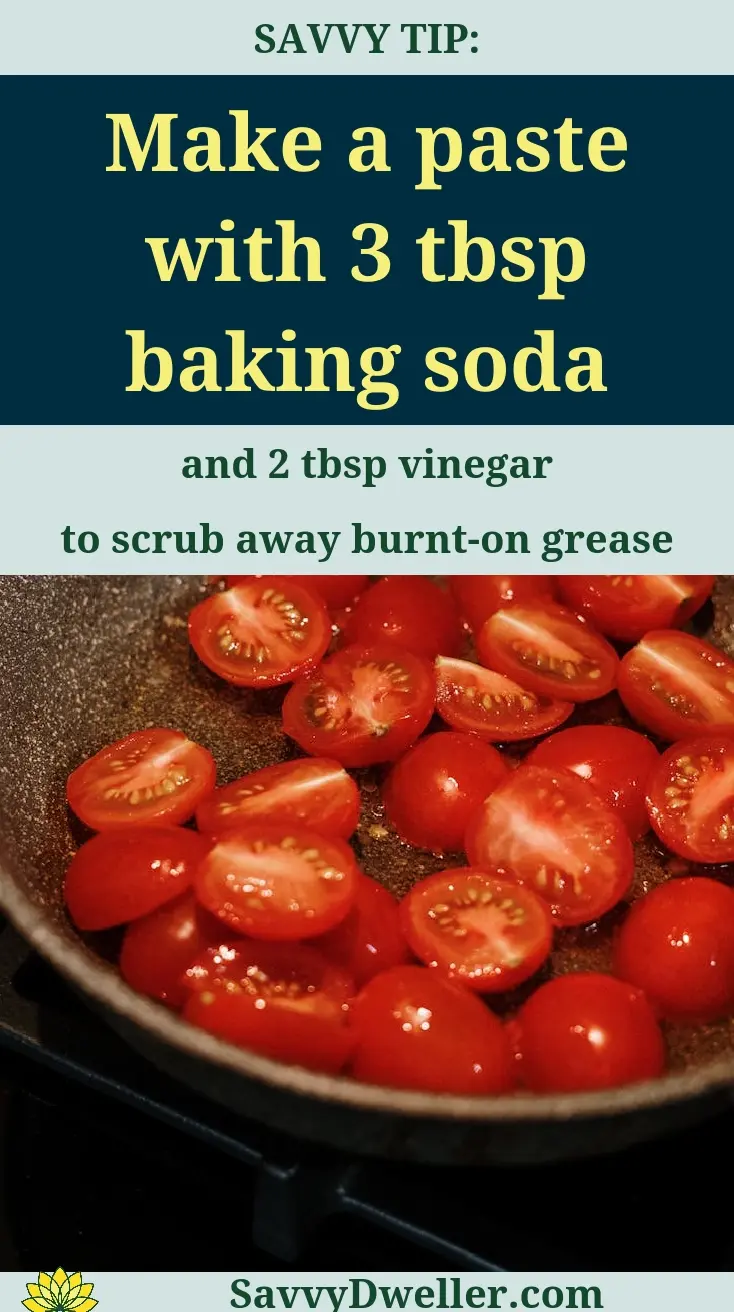
- Mix 3 parts baking soda with 1 part water to form a thick paste.
- Apply the paste directly onto greasy or burnt spots on the grates.
- Let it sit for 15–30 minutes-this gives the mild abrasive time to break down grime.
- Scrub with a soft-bristle brush or sponge using circular motions.
- Wipe away residue with a damp cloth, then rinse and dry completely.
Best for: Stubborn Grease and Burnt-on Food
When spills have hardened into a crust or oil has polymerized into a sticky film, this paste tackles what soaking alone can’t. It’s especially useful for how to clean the grates on a gas stove without scratching delicate surfaces.
Pros and Cons
| Pros | Cons |
| Natural, non-toxic cleaner | Requires elbow grease for heavy buildup |
| Safe for enamel and seasoned cast iron | Not a quick fix-needs 15+ minutes of dwell time |
| Deodorizes while cleaning | Paste can dry out if left too long, making it harder to rinse |
3. The Vinegar and Baking Soda Fizz Method
What You’ll Need
- White vinegar
- Baking soda
- Spray bottle
- Soft sponge or non-abrasive scrub brush
- Warm water
- Dry microfiber towel
Step-by-step Instructions
- Remove the grates from your gas stove and place them in a sink or large basin.
- Sprinkle a generous layer of baking soda over every surface of the grates.
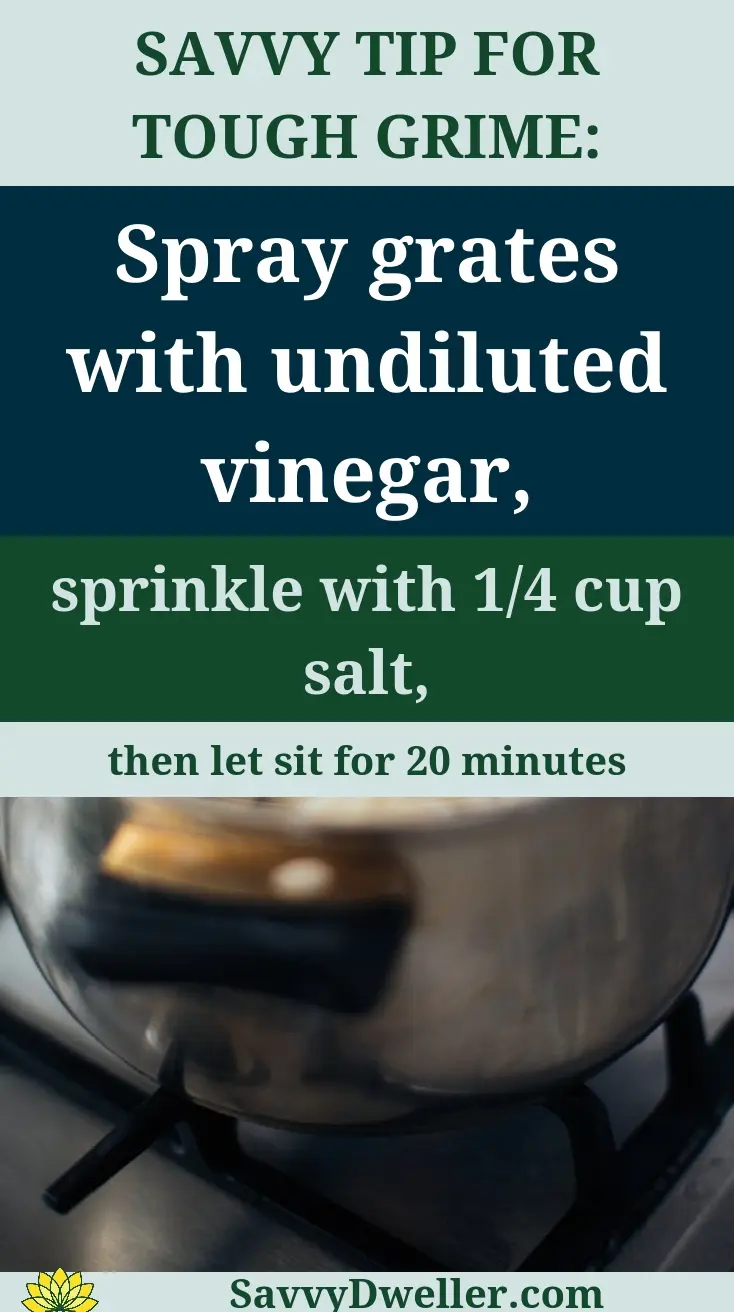
- Fill a spray bottle with undiluted white vinegar and mist the baking soda-covered grates until they fizz visibly.
- Let the mixture bubble and sit for 15–20 minutes to break down grease and neutralize odors.
- Scrub gently with a soft sponge or brush, focusing on stuck-on spots.
- Rinse thoroughly with warm water and dry immediately with a microfiber towel to prevent water spots or rust.
Best for: Natural Cleaning and Deodorizing
This method is ideal if you’re looking for a chemical-free way to clean stove top grates while also freshening up lingering cooking smells. It’s especially useful for routine maintenance or lightly soiled grates.
Pros and Cons
| Pros | Cons |
|---|---|
| Non-toxic and safe for most grate finishes | Not strong enough for heavy, baked-on grease |
| Neutralizes odors naturally | Requires scrubbing for moderate buildup |
| Uses pantry staples you likely already have | Fizzing action is more visual than deeply penetrating |
4. The Dishwasher Deep Clean Method
What You’ll Need to Check First
Before tossing your grates into the dishwasher, confirm they’re dishwasher-safe. This mostly depends on their material-enamel-coated grates usually tolerate dishwashers well, but cast iron does not.
Enamel vs Cast Iron: Dishwasher Safety
Enamel-coated grates can typically go in the dishwasher without issue, as the finish resists water and detergents. Cast iron grates, however, will rust if exposed to prolonged moisture and harsh detergents-never run them through the dishwasher.
Step-by-step Instructions
- Verify your grates are enamel-coated and labeled dishwasher-safe by the manufacturer.
- Scrape off large food debris with a soft brush or paper towel.
- Place grates on the bottom rack of the dishwasher, ensuring they don’t block spray arms.
- Run a normal or heavy-duty cycle with a standard dishwasher detergent (avoid bleach-based formulas).
- Remove grates immediately after the cycle ends and dry them completely with a towel.
Best for: Busy Schedules and Enamel Grates
If you’re short on time and own enamel gas range grates, this is one of the easiest ways to clean stove top grates without hands-on scrubbing.
Pros and Cons
| Pros | Cons |
|---|---|
| Hands-off and time-saving | Only safe for enamel-not cast iron |
| Effectively removes light to moderate grease | May dull enamel over repeated use |
| No extra cleaning supplies needed | Requires immediate drying to avoid moisture damage |
5. The Commercial Cleaner Heavy-duty Method
What You’ll Need
- Heavy-duty stove or grill cleaner (see recommendations below)
- Rubber gloves
- Non-scratch scrub pad or nylon brush
- Warm water for rinsing
- Soft drying cloth
Recommended Products for Gas Stove Grates
- Easy-Off Heavy Duty Oven Cleaner (for non-enamel grates)
- Bar Keepers Friend Cooktop Cleaner (safe for most finishes)
- Weiman Stove Top Cleaner (gentler on enamel)
- CLR Grease-Free Cleaner (for stainless steel or coated grates)
Step-by-step Instructions
- Put on rubber gloves and work in a well-ventilated area.
- Lay grates on a protected surface (newspaper or old towel).
- Apply the commercial cleaner evenly, following the product’s directions-some require dwell time; others work on contact.
- Let it sit for the recommended time (usually 5–15 minutes), but don’t let it dry out.
- Scrub with a non-scratch pad or nylon brush, focusing on thick grease or charred spots.
- Rinse thoroughly under warm running water and dry immediately with a soft cloth.
Best for: Extremely Dirty or Neglected Grates
When years of buildup have turned your grates black or sticky, this is the most reliable way to clean gas stove grill components and restore their appearance-especially for cast iron that’s been ignored too long.
Pros and Cons
| Pros | Cons |
|---|---|
| Powerful against baked-on, years-old grime | Harsh chemicals require gloves and ventilation |
| Often works faster than natural methods | Can damage enamel or seasoning if misused |
| Ideal for deep-cleaning cleaning stove grates after long neglect | Not eco-friendly or non-toxic |
6. The Ammonia Overnight Method
What You’ll Need
- Household ammonia (clear, unscented)
- Large plastic trash bag with a zip seal
- Rubber gloves
- Old towel or rag
- Well-ventilated area (preferably outdoors or under a range hood)
Step-by-step Instructions
- Place your gas stove grates inside the large plastic bag.
- Pour ½ to 1 cup of ammonia into the bag-enough to coat the bottom but not submerge the grates.
- Seal the bag tightly, ensuring no fumes can escape.
- Let the bag sit undisturbed overnight (8–12 hours). The ammonia vapors will loosen grease and carbonized grime without scrubbing.
- The next day, open the bag carefully outdoors or in a ventilated space. Remove the grates and rinse thoroughly under warm running water.
- Wipe down with a damp cloth and dry completely before reinstalling.
Safety Precautions for Ammonia Use
Never mix ammonia with bleach or any chlorine-based cleaner-it creates a toxic gas. Always wear gloves and avoid inhaling fumes directly. Store ammonia out of reach of children and pets, and never use this method in a small, enclosed space without ventilation.
Best for: Worst-case Scenarios and Tough Stains
This method shines when dealing with years of baked-on grease, carbon residue, or grates that haven’t been cleaned in a long time. It’s one of the most effective ways to clean stove top grates that look beyond saving—without elbow grease. Regular cleaning can prevent the build-up that makes tackling oven grease such a chore. For an ultimate guide on how to clean oven baked grease effectively, several techniques can help simplify the process and restore your oven to its original shine.
Pros and Cons
| Pros | Cons |
| Zero scrubbing required | Strong fumes require careful handling |
| Restores heavily soiled grates to near-new condition | Not safe for use on chipped enamel (ammonia can seep into exposed metal) |
| Cost-effective and uses a single household product | Requires overnight wait time |
Cleaning Different Grate Materials: What You Need to Know
Cast Iron Stovetop Grates: Special Care Requirements
Cast iron grates are durable but prone to rust if not handled properly during and after cleaning. Unlike enamel-coated versions, they need ongoing maintenance to preserve their protective layer.
Preventing Rust During and After Cleaning
Never let cast iron grates air-dry or soak in water for extended periods. After cleaning, dry them immediately with a towel and place them on a warm stovetop for a few minutes to evaporate any lingering moisture. This simple step is key when you’re learning how to clean stove grates made of raw metal.
Seasoning Cast Iron Grates After Deep Cleaning
- Once clean and completely dry, apply a thin layer of food-grade oil (like flaxseed, canola, or vegetable oil) using a paper towel.
- Place the grates back on the stove and heat on low for 15–20 minutes to polymerize the oil.
- Let them cool before using. This process recreates the non-stick, rust-resistant barrier lost during deep cleaning.
Enamel-coated Grates: Protecting the Finish
Enamel grates look sleek and are easier to clean—but the glossy surface is vulnerable to scratches and chemical damage. The best way to clean stovetop grate finishes like this is with gentle methods that preserve the coating. It’s crucial to also consider how to erase scratches from glass stovetops, as they can also suffer from similar damage. Simple techniques like using baking soda paste can effectively minimize the appearance of scratches on these surfaces.
What Cleaners to Avoid on Enamel
- Steel wool or abrasive scouring pads
- Oven cleaners with lye or sodium hydroxide
- Undiluted ammonia (especially on chipped areas)
- Bleach-based sprays
These can etch, dull, or strip the enamel, leading to permanent damage and increased rust risk underneath.
How to Handle Chips and Scratches
If your enamel grate has a chip, avoid soaking it-water can seep into the exposed cast iron base and cause rust. Clean gently by hand with mild soap, dry immediately, and consider applying a high-heat enamel touch-up paint designed for stoves to seal the area.
Common Mistakes to Avoid When Cleaning Gas Stove Grates
Never Use Steel Wool on Enamel Grates
Steel wool might remove grime fast, but it leaves micro-scratches that trap grease and accelerate deterioration. For enamel, stick to soft sponges or nylon brushes when you clean stove top grates. Use the same gentle approach when cleaning the greasy wall behind the stove.
Don’t Soak Cast Iron Grates Too Long
Soaking cast iron for more than 15–20 minutes invites rust. If you’re using the dish soap soak method, keep it brief—and always dry and re-season afterward. Clean your cast iron properly before and after soaking.
Avoiding Harsh Chemicals That Damage Finishes
Many assume “stronger cleaner = better results,” but harsh chemicals can strip protective layers. When figuring out how to clean the grates on a gas stove, match the cleaner to the material-not the mess level alone.
The Drying Mistake That Leads to Rust
Air-drying cast iron or leaving moisture in crevices is a fast track to rust spots. Always towel-dry thoroughly and apply low heat to ensure every drop of water is gone before storage.
Why You Should Never Clean Hot Grates
Putting cold water or cleaner on hot grates can cause thermal shock—especially in enamel-coated versions—leading to cracks or warping. Always let grates cool completely before starting your cleaning routine for how to clean gas stove grill components safely. For those looking for an easier way to maintain your oven racks, there are methods that eliminate scrubbing entirely, making cleanup a breeze.
Frequently Asked Questions
How Frequently Should I Perform a Deep Clean on My Stovetop Grates?
For most households, a deep clean every 1-2 months is sufficient under normal use. If you cook greasy foods daily, consider cleaning monthly to prevent stubborn buildup. Lighter users can extend this to every 3 months, but always monitor for visible grime or odors as a cue.
Consistency is key; regular deep cleaning prevents permanent staining and makes future cleans easier. Wiping grates after each use with a damp cloth can significantly reduce the frequency needed for intensive methods.
Can the Cleaning Methods Described Be Used on the Burner Caps As Well?
Yes, most methods like baking soda paste or dish soap soaks are safe for burner caps if they are made of similar materials (e.g., cast iron or enamel). Always verify manufacturer guidelines first to avoid damage. Avoid submerging electronic igniters or delicate parts.
For daily upkeep, wipe caps with a mild soapy cloth while cool. Harsh chemicals or abrasives should be avoided on caps to maintain their finish and functionality.
What Are Some Quick Daily Habits to Keep Grates Cleaner Longer?
After cooking, once grates are cool enough to touch, wipe them with a damp paper towel or cloth to remove fresh grease. This simple habit prevents residue from hardening and reduces the frequency of needing to deep clean BBQ grates to remove burnt food. For light stains, a drop of dish soap on a sponge works well.
Additionally, avoid leaving spills, especially sugary substances, to sit overnight. Prompt wiping after use keeps grates looking fresh and minimizes buildup between deep cleans.
How Should I Store My Grates if I Need to Remove Them for an Extended Period?
Ensure grates are completely dry to prevent rust or mold. Store them in a dry, cool area away from humidity, and wrap in a breathable cloth or place in a cardboard box to avoid dust accumulation. For cast iron grates, apply a light coat of cooking oil before storage to protect against moisture.
Avoid stacking grates directly on each other to prevent chipping; if stacking is necessary, use soft padding like towels between them. This preserves their condition while not in use.
Final Words
Now you have six proven methods to tackle any level of grime on your gas stove grates, from simple soap and water to heavy-duty commercial cleaners. The key to keeping your grates spotless is choosing the right method for your specific situation and grate material. Whether you’re dealing with cast iron that needs careful rust prevention or enamel coating that requires gentle handling, you’ve got the knowledge to restore your grates to their original shine.
Start with the gentler methods like dish soap or baking soda paste, and work your way up to stronger solutions only when necessary. Remember, regular maintenance beats marathon cleaning sessions every time. A quick weekly wipe-down prevents the stubborn buildup that requires those overnight ammonia treatments.
Ready to transform your stovetop? Pick the method that matches your grates and get started today. For more home maintenance tips and cleaning solutions that actually work, check out Savvy Dwelling where we share the strategies we’ve tested so you don’t have to.