How to Completely Remove Mold From Wood Furniture and Decks (Without Damaging the Wood)
Discovering black or green spots spreading across your beautiful wood furniture or deck can feel overwhelming and frustrating. You’re not alone in this struggle—mold growth on wood surfaces is one of the most common household problems, especially in humid climates or poorly ventilated areas.
This comprehensive guide breaks down the most effective, wood-safe methods we’ve researched and refined over years of testing. You’ll learn exactly which solutions work best for different types of mold infestations, plus how to protect your wood from future damage while restoring its natural beauty.
Contents
- At a Glance: The Best Solutions
- The Science Made Simple: Why This Problem Happens
- 1. The White Vinegar Method
- 2. The Baking Soda Paste Technique
- 3. The Oxygen Bleach Solution
- 4. Commercial Mold Removers
- 5. The Pressure Washing Approach
- 6. Post-cleaning Restoration and Protection
- Common Mistakes to Avoid
- 5 Habits to Keep Mold From Coming Back
- Frequently Asked Questions
- Final Words
- Additional Resources for You:
At a Glance: The Best Solutions
| Solution | Best For | Materials Needed | Effectiveness | Time Required |
|---|---|---|---|---|
| White Vinegar Solution | Light mold on furniture | White vinegar, water, spray bottle | High for surface mold | 30-60 minutes |
| Baking Soda Paste | Stubborn mold stains | Baking soda, water, scrub brush | High for embedded mold | 45-90 minutes |
| Oxygen Bleach | Deck cleaning | Oxygen bleach, water, brush | Very high | 2-3 hours |
| Commercial Mold Remover | Severe infestations | Commercial product, protective gear | Very high | 1-2 hours |
| Pressure Washing | Large deck areas | Pressure washer, cleaning solution | High for extensive areas | 3-4 hours |
The Science Made Simple: Why This Problem Happens
Understanding Mold Growth on Wood
Mold spores are everywhere-in the air, on surfaces, even on your clothes. When they land on wood that’s damp and poorly ventilated, they find the perfect place to grow. Wood is porous, so it readily absorbs moisture, giving mold a hidden place to thrive beneath the surface.
Unlike non-porous materials, wood can’t just be wiped clean—mold often penetrates deep into the grain, which is why surface cleaning alone isn’t always enough. Proper care is essential for maintaining food safety, especially when working with cutting boards made of wood or plastic. Regularly cleaning and sanitizing these surfaces helps prevent harmful bacteria from thriving.
Mold Vs. Mildew: Key Differences
Mold and mildew are both fungi, but they behave differently on wood. Mildew is usually flat, powdery, and white or gray. It tends to stay on the surface and is easier to remove. To effectively manage mold and mildew, consider natural methods that are safe for both your home and the environment. Removing mold and mildew naturally can be achieved using common household items like vinegar and baking soda.
Mold, however, can be black, green, or even orange, and often appears fuzzy or slimy. It burrows into the wood fibers, making it harder to fully eliminate without proper treatment.
Environmental Factors That Encourage Growth
Three things fuel mold on wood: moisture, warmth, and poor airflow. High humidity (above 60%), water leaks, condensation, or even dew on outdoor decks create ideal breeding grounds.
- Indoor wooden furniture near bathrooms or basements is especially vulnerable.
- Outdoor decks shaded by trees or close to sprinklers stay wet longer.
- Lack of sunlight reduces natural UV mold suppression.
Fixing the moisture source is just as important as cleaning the mold itself-otherwise, it will return, often within weeks.
1. The White Vinegar Method
Why Vinegar Works Against Mold
White vinegar is a mild acid (about 5–6% acetic acid) that disrupts mold’s cell structure. It’s effective at killing up to 82% of mold species, including common types like Aspergillus and Penicillium.
Unlike bleach, vinegar penetrates porous wood, reaching mold roots instead of just bleaching the surface. This makes it one of the best ways to clean mold off wood furniture without damaging the finish. In fact, vinegar can also be used to create an effective all-purpose cleaning spray. This versatile vinegar solution not only tackles mold but also cleans various surfaces around the home.
What You’ll Need
- Distilled white vinegar (5% acidity)
- Water (optional for sensitive finishes)
- Spray bottle
- Soft-bristle brush or microfiber cloth
- Fan or open windows for ventilation
Step-by-step Application
Preparing the Vinegar Solution
- For most wood furniture, use undiluted white vinegar straight from the bottle.
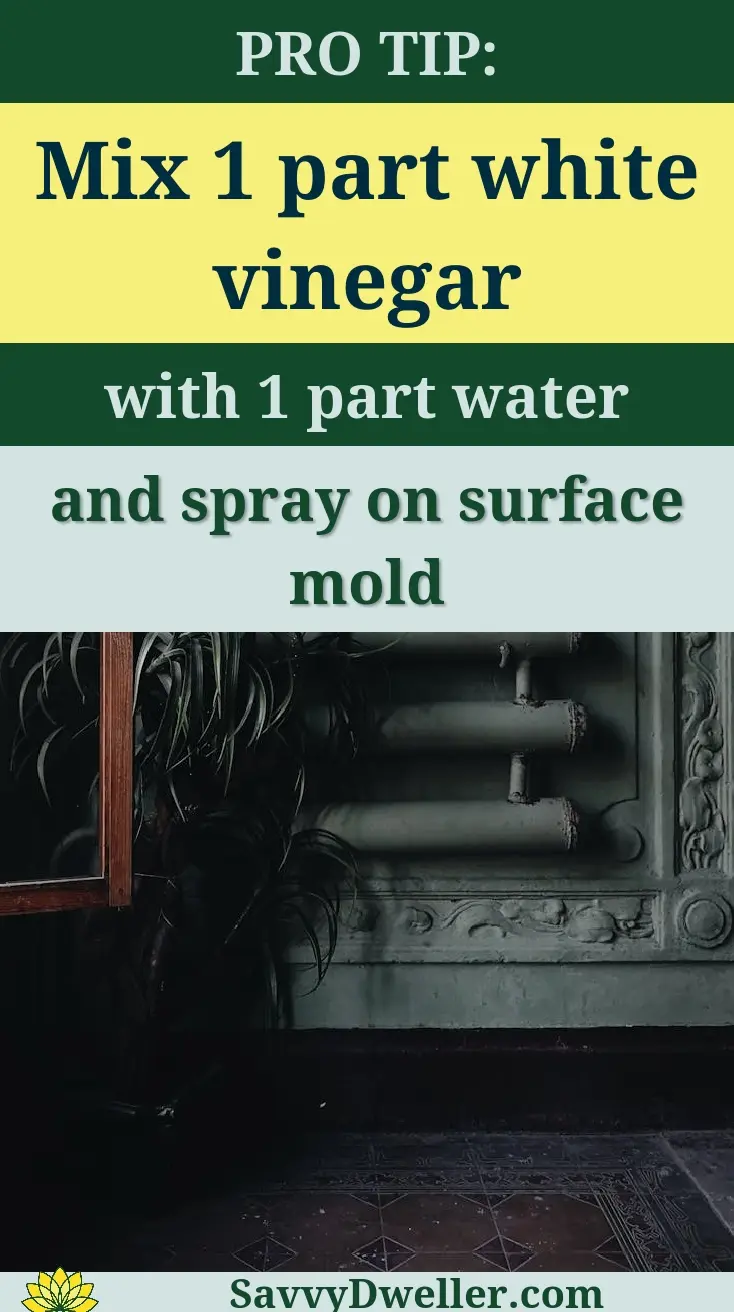
- If you’re cleaning antique or finished wood, mix 1 part vinegar with 1 part water to reduce acidity.
Application Technique
- Pour vinegar into a spray bottle and mist the affected area thoroughly-don’t soak, but ensure full coverage.
- Let it sit for 60 minutes to penetrate and kill mold at the source.
- Gently scrub with a soft brush in the direction of the wood grain to lift residue without scratching.
Drying and Ventilation
- Wipe the area with a damp cloth to remove loosened mold and vinegar residue.
- Dry immediately with a clean, dry towel.
- Place a fan nearby or open windows to promote rapid drying-moisture left behind invites regrowth.
Also See: The Ultimate Guide to Getting Rid Of Fleas in Your Carpet
2. The Baking Soda Paste Technique
How Baking Soda Tackles Stubborn Mold
Baking soda (sodium bicarbonate) is a gentle abrasive with natural antifungal properties. It doesn’t just kill surface mold-it neutralizes odors and helps lift embedded stains without bleaching or warping the wood.
This method is ideal for cleaning mold off wooden furniture with textured or unfinished surfaces where mold has settled into crevices or grain. Water stains can also be a nuisance on wood furniture, requiring careful treatment to restore their beauty. Techniques for removing water stains can help maintain the overall appearance of your wooden pieces.
Materials Required
- Baking soda
- Water
- Small bowl
- Stiff-bristle brush (nylon, not metal)
- Damp cloth
- Dry towel
Creating and Applying the Paste
Mixing the Perfect Consistency
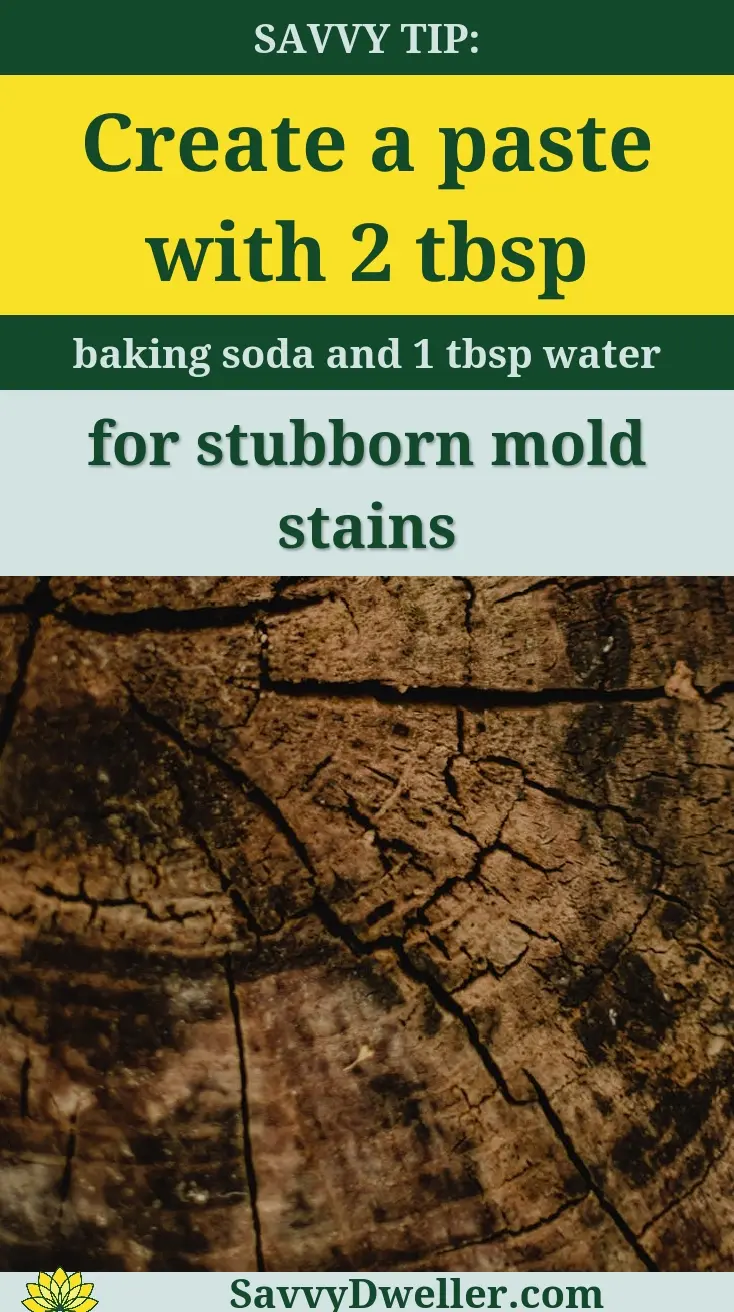
- In a bowl, combine 2 tablespoons of baking soda with 1 tablespoon of water.
- Stir until it forms a thick, toothpaste-like paste-add more baking soda if too runny, more water if too stiff.
Scrubbing Method
- Apply the paste directly onto the moldy area using your fingers or a brush.
- Scrub in small, circular motions following the wood grain to avoid scratches.
- Focus on corners, joints, and grooves where mold hides-apply extra paste if needed.
Removal and Clean-Up
- Wipe away the paste with a damp cloth, rinsing the cloth frequently.
- For decks or large surfaces, lightly rinse with a garden hose (low pressure) to avoid waterlogging.
- Blot dry immediately with a towel, then allow the wood to air-dry completely in a well-ventilated space.
3. The Oxygen Bleach Solution
Benefits Of Oxygen Bleach Over Chlorine Bleach
Oxygen bleach is a far gentler yet highly effective option for how to clean mold off wood furniture and decks. Unlike chlorine bleach, it doesn’t produce toxic fumes, won’t degrade wood fibers, and is safe for plants and pets once rinsed. It lifts mold stains without stripping the natural color or integrity of your wood, making it ideal for both indoor furniture and outdoor decking. When considering cleaning options for your deck, it’s important to choose methods that protect the material. For wood composite decks, a mixture of oxygen bleach and gentle scrubbing works best to remove dirt and stains while maintaining the integrity of the surface.
Safety Preparations
Even though oxygen bleach is non-toxic, protect yourself during application:
- Wear rubber gloves to avoid skin dryness
- Use safety goggles if mixing or applying overhead
- Work in a well-ventilated area to disperse any fine dust from the powder
Mixing and Application Process
Proper Dilution Ratios
- For light mold: Mix 1 cup of oxygen bleach powder with 1 gallon of warm water.
- For heavy mold or decking: Use 1.5 cups per gallon for stronger cleaning power.
- Stir until fully dissolved-undissolved granules can leave residue.
Application for Furniture vs. Decks
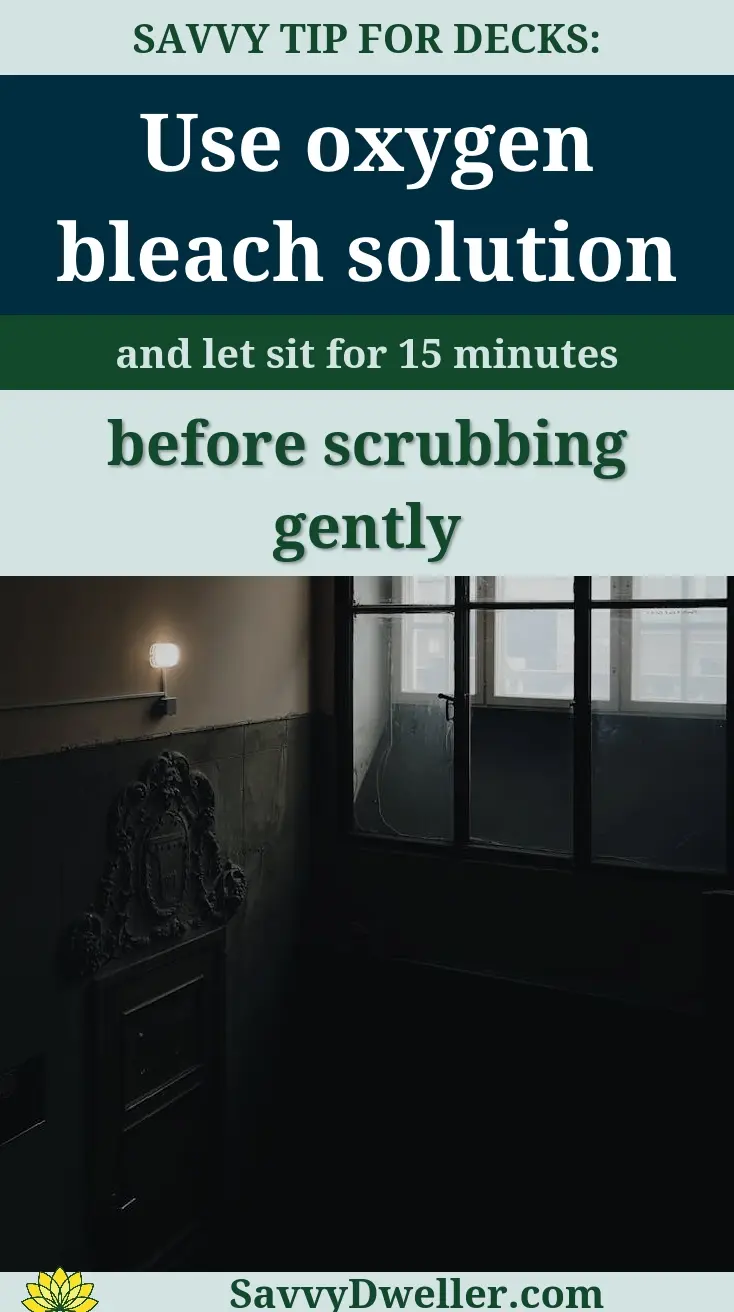
For cleaning mold off wooden furniture, apply the solution with a soft-bristle brush or sponge, working with the grain. Let it sit for 15–20 minutes-don’t let it dry. For cleaning mold off wood decks, saturate the surface evenly with a pump sprayer or watering can, then scrub with a stiff deck brush. Keep the wood wet during dwell time to maximize mold breakdown. It’s important to use the appropriate method and solution for wood surfaces compared to cleaning mold off drywall and painted walls.
Neutralizing and Rinsing
- Rinse thoroughly with clean water using a garden hose (decks) or damp cloth (furniture).
- No neutralizing agent is needed-oxygen bleach breaks down into water, oxygen, and soda ash.
- Wipe or squeegee excess water to speed drying and prevent re-moisturizing mold-prone areas.
4. Commercial Mold Removers
When to Choose Commercial Products
Turn to commercial mold removers when dealing with severe infestations, porous or antique wood, or when DIY methods haven’t fully eliminated discoloration or odor. These formulas are engineered for removing mold from wood without causing long-term damage, especially on finished furniture or composite decking.
Top-rated Products for Wood
- Concrobium Mold Control – Non-toxic, leaves an antimicrobial barrier
- RMR-86 Instant Mold Stain Remover – Fast-acting on tough stains
- Fiberlock Shockwave – EPA-registered, ideal for large deck surfaces
Safe Application Guidelines
Protective Equipment Essentials
- Nitrile gloves (some chemicals degrade latex)
- N95 respirator mask
- Long sleeves and closed-toe shoes
Ventilation Requirements
Always open windows or use fans when treating indoor furniture. For decks, apply on a calm, dry day to avoid overspray drift and ensure proper airflow during drying. Never use commercial removers in enclosed spaces without cross-ventilation.
Post-Treatment Care
- Wipe surfaces with a clean, damp cloth to remove residue.
- Allow wood to dry completely for 24–48 hours before refinishing or use.
- Wash all rags and tools separately to avoid cross-contamination.
5. The Pressure Washing Approach
Best Scenarios for Pressure Washing
Pressure washing shines when you need to clean mold off deck boards quickly and efficiently across large areas. It’s less suitable for delicate or antique wood furniture, but excellent for untreated or weathered decking where mold has penetrated surface fibers.
Equipment Setup and Settings
Use a pressure washer with adjustable PSI and a wide-angle (25°–40°) fan tip. Always test on a small, inconspicuous area first. Cold water is sufficient; hot water isn’t necessary for mold removal and can warp wood.
Pre-treatment and Washing Process
PSI Settings for Different Wood Types
| Wood Type | Recommended PSI |
|---|---|
| Softwood (cedar, pine) | 500–800 PSI |
| Hardwood (oak, ipe) | 1,000–1,300 PSI |
| Pressure-treated lumber | 1,200–1,500 PSI |
Cleaning Solution Application
- Apply a mold-killing pre-wash (like oxygen bleach or a deck cleaner) and let it dwell for 10–15 minutes.
- Use the pressure washer’s detergent setting if available, or apply solution separately with a pump sprayer.
- Work in 3’x3’ sections to maintain consistent treatment and rinsing.
Proper Drying Techniques
After washing, allow the wood to air-dry in full sun if possible-this helps kill lingering spores. Use fans to increase airflow on shaded decks. Never seal or stain wood until it’s completely dry (typically 48–72 hours), or trapped moisture will encourage new mold growth.
6. Post-cleaning Restoration and Protection
Assessing Wood Damage After Cleaning
After you’ve tackled how to clean mold off of wood furniture or cleaning mold off wood decks, take time to inspect the surface closely. Look for soft, spongy areas, deep discoloration, or persistent odors-these can signal that mold has compromised the wood’s integrity.
Use a moisture meter if available; readings above 20% may indicate lingering dampness that invites regrowth. For minor surface damage, restoration is often possible. For severe rot or structural weakness, replacement may be safer than repair.
Sanding and Refinishing Steps
If the wood is sound but shows mold stains or rough patches, sanding smooths the surface and prepares it for protection. This is a key step whether you’re restoring indoor furniture or outdoor deck boards.
- Start with 80-grit sandpaper to remove deep stains and uneven spots.
- Progress to 120-grit, then 220-grit for a smooth finish.
- Wipe away all dust with a tack cloth or damp rag-residue interferes with sealers.
- For decks, use a pole sander or orbital sander for large areas; hand-sand intricate furniture details.
- Once clean and dry, apply a wood conditioner (for softwoods like pine) before staining to ensure even color.
Protective Sealers and Stains
Sealing isn’t optional-it’s your best defense against future mold. A quality finish blocks moisture, which is the root cause behind how to get rid of mold on wood recurring.
Choosing the Right Wood Finish
Match the finish to the wood’s location and use:
- Indoor furniture: Water-based polyurethane (clear, low odor, easy cleanup) or natural oils like tung or linseed for a matte look.
- Outdoor decks: Semi-transparent or solid-color stains with mildewcides-look for labels that say “mold and mildew resistant.”
- High-humidity areas: Choose finishes with added fungicides, even if they cost slightly more.
A finish labeled “mold-resistant” does more than beautify-it actively discourages regrowth when you’re trying to keep how to clean mold off wood decks from becoming a seasonal chore.
Application Best Practices
- Work in dry, moderate temperatures (50–90°F) with low humidity.
- Stir-not shake-your sealer or stain to avoid bubbles.
- Apply with a high-quality natural bristle brush or foam applicator for even coverage.
- For decks, go with the grain and maintain a wet edge to prevent lap marks.
- Allow full cure time (usually 24–72 hours) before use or exposure to moisture.
Maintenance Schedule
Protective coatings wear over time. Reapply based on exposure:
- Indoor wood furniture: Re-coat every 2–3 years, or when water no longer beads on the surface.
- Outdoor decks: Inspect annually; reseal every 1–2 years, especially in shaded or rainy climates.
- High-moisture zones (bathrooms, kitchens): Check finishes every 6–12 months for peeling or dullness.
Common Mistakes to Avoid
Using Chlorine Bleach on Wood
Chlorine bleach may seem strong, but it doesn’t penetrate wood fibers-where mold roots live. Worse, it leaves behind moisture and can break down lignin, the natural glue holding wood together. This weakens the surface and actually increases future mold risk. Stick to oxygen bleach or vinegar for safer, deeper cleaning when you’re figuring out the best way to clean mold off wood furniture.
Skipping Safety Precautions
Mold spores are more than just unsightly-they can irritate lungs and eyes. Always wear an N95 mask, goggles, and gloves during removing mold from wood furniture or cleaning mold off wooden furniture. Work in a well-ventilated area, and never mix cleaning agents (like vinegar and bleach)-toxic fumes can result. Be cautious especially when dealing with mold on window sills and frames.
Not Addressing the Root Moisture Problem
Scrubbing away surface mold without fixing the underlying dampness is like mopping a floor while the faucet’s still running. Check for leaks, poor drainage near decks, or indoor humidity above 60%. Use a dehumidifier indoors or grade soil away from deck posts outdoors. Solving the moisture issue is the only way to truly stop how to remove mold from deck wood from becoming a repeat task. Keeping a clean humidifier is also crucial, as it helps prevent mold growth in the first place. A well-maintained humidifier can contribute to a healthier indoor environment by controlling excess moisture that fosters mold development.
Rushing the Drying Process
After how to clean mold off of wood, wood must dry thoroughly-usually 24 to 48 hours-before sealing or using. Trapped moisture breeds new mold colonies beneath the surface. Avoid covering wood with tarps or rugs too soon. Use fans or open windows to encourage airflow, especially after cleaning mold off deck boards.
Ignoring Proper Ventilation
Whether indoors or out, stagnant air = mold’s best friend. After how to clean mold from wood, keep air moving. Indoors, use exhaust fans in kitchens and bathrooms. Outdoors, prune overhanging branches that shade decks and prevent drying. Good airflow is non-negotiable if you’re serious about getting rid of mold on wood for good.
5 Habits to Keep Mold From Coming Back
Regular Moisture Monitoring
Keep a digital hygrometer in rooms with wood furniture; aim for 30–50% relative humidity. For decks, check for standing water after rain-boards should dry within 24–48 hours. Address pooling by regrading soil or installing deck drainage systems.
Proper Ventilation Maintenance
Clean HVAC filters monthly and ensure attic and crawlspace vents are unobstructed. For outdoor areas, trim bushes and trees to allow sunlight and breeze to reach deck surfaces-this naturally suppresses how to get rid of mold on wood furniture conditions.
Routine Cleaning Schedule
- Wipe down indoor wood furniture monthly with a dry or slightly damp microfiber cloth.
- For decks, sweep weekly to remove organic debris (leaves, pollen) that traps moisture.
- Deep-clean surfaces every 3–6 months with a mild vinegar solution-no harsh chemicals needed.
Protective Coating Renewal
Don’t wait for peeling or graying to act. Mark your calendar to inspect finishes each spring. A quick water test-sprinkle drops on the surface; if they soak in instead of beading-means it’s time to reseal. This simple habit prevents removing mold from a deck from becoming a major project.
Environmental Control Strategies
Long-term mold prevention is about environment management. Use dehumidifiers in basements, install rain gutters to divert water from deck foundations, and avoid placing upholstered furniture directly against exterior walls. When you control moisture and airflow, you remove the conditions that make how to remove mold off wood necessary in the first place.
Frequently Asked Questions
Is Mold on Wood Furniture Dangerous to My Health?
Mold exposure can pose health risks, particularly for individuals with allergies, asthma, or weakened immune systems. Common reactions include respiratory issues, skin irritation, and allergic symptoms. While not all molds are toxic, it’s crucial to address any growth promptly and wear protective gear like gloves and a mask during cleaning to minimize inhalation or contact.
When Should I Consider Hiring a Professional for Mold Removal?
Seek professional help if the mold covers a large area (over 10 square feet), has caused significant structural damage, or if you suspect toxic black mold. Professionals have specialized equipment for safe containment and removal, especially in severe cases. This is also advisable if you lack the time, tools, or confidence for DIY methods, or if mold recurs despite your efforts.
How Does Cleaning Mold Off Indoor Furniture Differ From Outdoor Decks?
Indoor furniture requires gentler approaches to avoid harming finishes or spreading spores indoors, emphasizing ventilation and quick drying. Outdoor decks can withstand stronger methods like pressure washing or oxygen bleach, which may be too harsh for furniture. Always test a small, hidden area first and adjust techniques based on wood type and exposure levels.
What Are the Long-term Effects Of Mold on Wood if Left Untreated?
Ignored mold can lead to permanent wood damage, such as rot, warping, and loss of structural integrity. Mold digests wood fibers, causing decay that may require costly replacements. Early intervention prevents this deterioration and helps maintain the wood’s appearance and value, so regular inspections are key.
Final Words
You now have the complete toolkit to tackle mold on your wood furniture and decks with confidence. These proven methods will restore your wood surfaces and protect your home’s health when applied consistently and safely. Remember that the key to success lies in choosing the right method for your specific situation and never skipping the safety precautions.
The most important step happens after cleaning – preventing mold from returning through proper moisture control and regular maintenance. Your wood surfaces will thank you for the extra attention, and you’ll save money by extending their lifespan significantly.
Ready to reclaim your wood surfaces? Start with the method that matches your mold severity level and follow through with the protection steps. For more home solutions that actually work, check out Savvy Dwelling where we share research-backed strategies for every corner of your home.